In today’s quest to push the limits of performance and longevity of metal parts, Black Oxide Concentrate is becoming a revolutionary force in surface . By generating a dense magnetic iron oxide conversion film on the metal surface and sealing it, it not only provides excellent core protection against rust and significantly reduces friction and wear, but also completely avoids the risk of hydrogen embrittlement, while giving a deep, beautiful matte appearance, providing an efficient, reliable and cost-effective integrated solution for a wide range of industrial applications, far exceeding the limitations of traditional treatments in terms of single-functionality. What is its unique attraction that enables it to make a difference in improving the surface treatment of metals? What are the scientific principles and practical application values behind it? Let’s explore together.
What Defines the Chemical Composition of Black Oxide Concentrate?
The chemical composition of black oxide concentrate is mainly:
1. Chemical composition (basic formula)
The core component of black oxide concentrate is an alkaline nitrate mixed solution, and its typical ratio is as follows (by mass percentage):
Sodium hydroxide (NaOH): 50%
Sodium nitrite (NaNO₂): 25%
Water (H₂O): 25%
This formula meets the specifications of the US military standard MIL-DTL-13924D for high-temperature black oxide treatment fluids.
2. Chemical nature and reaction mechanisms
Key Reaction Processes
In a high-temperature alkaline environment at 135-145°C, a redox reaction occurs on the surface of steel to produce a dense Fe₃O₄ (magnetic iron oxide) film in two steps:
(1) Sodium hydroxide (NaOH) provides an alkaline environment and dissolves impurities on the metal surface;
(2) Sodium nitrite (NaNO₂) acts as an oxidizing agent to induce the conversion of iron into magnetic oxide:
3Fe + NaNO₂ + 5NaOH → Na₂FeO₂ + Na₂Fe₂O₄ + NH₃ + H₂O
The final product is Fe₃O₄ (composed of Fe²⁺ and Fe³⁺ complex oxides).
Film Characteristics
Thickness: 0.5-1.5 μm (controllable ultra-thin, does not affect the dimensional accuracy of the workpiece);
Porosity: <5% (verified by ASTM B137 salt spray test), providing an efficient adsorption anchor point for subsequent sealers (oil, wax);
Structure: dense microcrystalline Fe₃O₄, significantly blocking the penetration of corrosive media.
3. Performance correlation
Anti-corrosion and efficiency enhancement: Low porosity of <5% ensures that the sealant completely fills the micropores to form a composite barrier, and the salt spray protection time is increased by 5-10 times (bare steel <24h → sealed >100h);
Wear resistance and friction reduction: The microporous oil storage structure reduces the friction coefficient by 40-60%, extending the life of moving parts;
Process stability: The alkaline formula completely avoids the risk of hydrogen embrittlement (no cathode hydrogen evolution reaction).
Technical notes: Modern concentrates further optimize the reaction uniformity by adding complexing agents (such as tartrates) and stabilizers to adapt to complex substrates such as alloy steel and cast iron.
This chemical system is irreplaceable in the fields of military and aerospace fasteners, and its precise ratio and temperature control are the core guarantee of performance consistency.
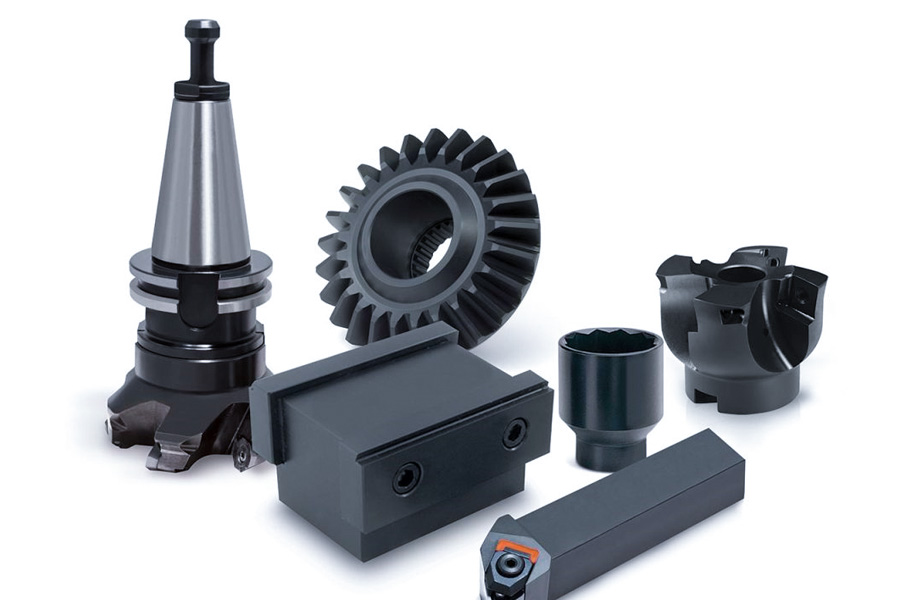
How Does Black Oxide Concentrate Improve Metal Finishing?
Black oxide treatment (also known as blackening or bluing) is not an entirely new concept, but modern concentrate formulations and process controls have led to a significant jump in performance. The core principle is that a controlled chemical oxidation reaction creates a dense, stable film of magnetic iron oxide (Fe₃O₄) on the surface of metals such as steel. This black film itself is very thin (typically only 0.5-2 microns), but in combination with subsequent sealing treatments (oil impregnation, waxing or specialized sealers), it can give the metal a significant boost in multiple key properties:
1. Excellent rust and corrosion barrier:
Dense structure: The dense Fe₃O₄ film formed has a dense structure that repels water and oxygen from coming directly into contact with the base metal.
Sealer Enrichment: The subsequent oil or proprietary sealer impregnation penetrates intensively into the microporous structure of the oxide film and covers the surface, forming a hydrophobic barrier significantly improving the general corrosion protection. Well-sealed components can typically attain tens or even hundreds of hours of Neutral Salt Spray (NSS) testing time, much longer than unsealed metal, and are especially suitable for internal structural components, fasteners, or components that must be stored long-term.
2. Minimize significantly friction and wear:
Lubricating Substrate: Lubricant is trapped and retained by the surface microporous structure in an effective way.
Reduction of friction: In the case of friction, the retained lubricant continues to seep, forming an oil film at the contact interfaces and significantly reducing the coefficient of friction (50% or more). This is critical for gears, bearing housings, sliding parts, hydraulic components, etc., reducing wear, making noise quieter, and improving smooth motion and life in service.
3. Eliminate the risk of hydrogen embrittlement completely
Ambient/Medium Temperature Processes: Black oxide processes are generally conducted at relatively low temperatures (below or somewhat above the boiling point).
No cathodic process: There is no hydrogen ion reduction by a cathodic process in the treatment, unlike in a few pickling and electroplating; therefore, there is absolutely no chance that hydrogen atoms penetrate into the high-strength steel matrix. This is an invaluable core advantage for mission-critical applications such as aerospace fasteners, springs, and weapons components that are highly prone to hydrogen embrittlement.
4. Enhanced aesthetics and light removal:
Deep, Uniform Black: Provides a professional, deep, uniform matte or semi-matte black finish that significantly increases product value and texture.
Glare Elimination: Effectively removes reflected glare from metal finishes, especially beneficial in applications such as optical instrument interiors, firearms, tools, and other applications where interference from light must be removed.
5. Optimize coating adhesion:
Optimal substrate: Surface micro-roughness and reactivity of the converted surface film provide a good foundation for further spraying (paints, powder coatings) or bonding with reduced risk of coating flaking.
6. Economic efficiency and environmental protection:
Thin Layers Save Material: Extremely thin layers of film with low or no change of workpiece dimensions, suitable for precision parts.
Concentrate efficiency: Dilution and facile control of newly developed concentrates, high utilization factors, relatively simple waste treatment (especially in comparison to electroplating), and often cost-competitive total treatment cost.
Process Simplification: Relatively simple process with low energy requirement (cleaning -> pickling -> oxidizing -> sealing).
Versatile range of application situations:
- Automotive sector: fasteners (nuts, bolts), brake components, clutch components, springs, tools.
- Firearm and military industry: barrels for firearms, internal components, magazines, knives.
- Machinery manufacturing: shafts, gears, bearings, molds, fixtures, hydraulic valve blocks.
- Instruments: optical equipment brackets, precision components, internal housing components.
- Hardware being used on a day-to-day basis: hinges, door locks, metal furniture hardware, tools (wrenches, pliers).
How Does Black Oxide Vary from Electroplating Processes?
Following are the basic differences between black oxide and electroplating processes:
1. Comparison of process principles and film characteristics
| Parameters | Black oxide treatment | Electroplating process (taking zinc plating as an example) |
|---|---|---|
| Film type | Chemical conversion film (Fe₃O₄) | Metal deposition layer (such as Zn, Cr, Ni) |
| Thickness (ASTM B633) | 0.5-1.5μm (ultra-thin) | 5-15μm (significantly thickened) |
| Bonding mechanism | Metallurgical bonding (generated by chemical conversion of the matrix) | Physical/mechanical bonding (exogenous metal deposition) |
| Bonding strength verification | Passed ASTM B571 bending test (no peeling) | Prone to peeling/cracking (weak bonding) |
2. Differences in performance and environmental protection
① Mechanical and corrosion-resistant properties
Black oxide:
The substrate and conversion film are an integral structure, resistant to impact and bending without cracking;
Following sealing treatment (oil immersion/waxing), salt spray protection> 100 hours (MIL-DTL-13924D).
Electroplating process:
There is interfacial stress in the deposited layer and it is easy to peel off under external force (especially at corners);
The zinc-plated layer needs to be passivated with chromate to be protected equally (adding carcinogen hexavalent chromium).
② Environmental protection (main indicators of wastewater)
| Pollutants | Black oxide wastewater | Electroplating wastewater |
|---|---|---|
| COD | <80 mg/L | >200 mg/L |
| Heavy metals | No hexavalent chromium/cyanide | Contains hexavalent chromium and cyanide |
| Difficulty of treatment | Neutralization and precipitation can meet the standard | Requires complex reduction + membrane treatment |
3. Core application scenario differentiation
Preferential fields for black oxide:
High-strength fasteners (excluding the risk of hydrogen embrittlement)
High-precision moving parts (ultra-thin anti-friction, no tolerance effect)
Military/aerospace parts (non-toxic + high bond strength)
Electroplating process applicable situations:
Decorative coatings (e.g., bright chrome, fake gold electroplating)
Sacrificial anode protection (galvanizing for general structural parts)
Black oxide uses micron-level conversion film + metallurgy for “invisible armor” protection with no risk of hydrogen embrittlement and low pollution characteristics; while electroplating relies on the protection by thick deposits, with weak bonding and heavy metal pollution issues. In the context of high-end manufacturing and ever-growing environmental protection, black oxide has been a green innovative choice with the emphasis on both performance and sustainability.
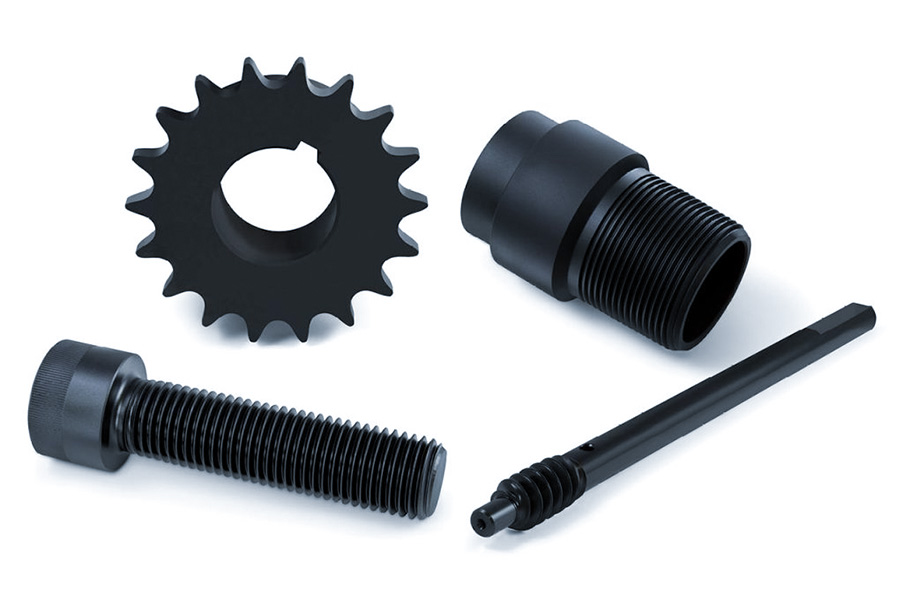
What Industrial Uses Require Black Oxide Treatment?
The following industrial application fields and key value analysis of black oxide treatment are as follows:
1. Military and Aerospace
| Application components | Core requirements | Black oxide solutions | Certification standards |
|---|---|---|---|
| Firearms/weapon parts | High corrosion resistance + matte + anti-fingerprint | Salt spray protection >96 hours (military grade sealing) | MIL-STD-171 |
| Aerospace fasteners | Absolutely avoid hydrogen embrittlement + lightweight | Ultra-thin film layer (0.8μm) No risk of hydrogen embrittlement | AS/EN/NAS standards |
2. Automobile manufacturing
| Application parts | Performance improvement | Quantified benefits | Industry standards |
|---|---|---|---|
| High-strength fasteners | Anti-corrosion + torque stability | Torque retention rate increased by 20% (anti-loosening) | GM 6190M |
| Brake system parts | Anti-friction and wear resistance + high temperature resistance | Friction coefficient reduced by 30% (extended life) | SAE J2334 |
3. Hydraulic and fluid systems
| Application components | Key challenges | Black oxide advantages | Certification |
|---|---|---|---|
| Hydraulic valve blocks/pistons | Low friction + fluid corrosion resistance | Friction coefficient reduced to 0.12 (dynamic seal optimization) | ISO 10763 |
| Pump components | Rust protection + dimensional accuracy retention | Film thickness <1μm, no impact on tolerances | DIN 24340 |
4. Precision machinery and tools
| Application areas | Typical components | Core value | User benefits |
|---|---|---|---|
| Industrial robots | Joint bearings/guide rails | Oil storage and friction reduction, maintenance cycle extended by 2 times | Reduce downtime costs |
| Tools/molds | Cutting edge + molding surface | Rust prevention + matte, improve product appearance level | Increase added value |
5. Energy and heavy equipment
| Application scenarios | Pain point requirements | Technical verification | Industry cases |
|---|---|---|---|
| Wind power bolts | Weather resistance + stress corrosion resistance | Passed 3000 hours marine environment test | IEC 61400 certification |
| Engineering machinery hydraulic rods | Anti-sand wear + rust prevention | Salt spray protection > 120 hours (field conditions) | ISO 9227 standard |
Black oxide treatment has absolute advantages in the following requirements:
- Fields where hydrogen embrittlement is strictly prohibited (aerospace fasteners, springs);
- Micron-level tolerance parts (precision gears, hydraulic components);
- Dynamic friction systems (valves, bearings);
- Highly corrosive environments (marine engineering, chemical equipment);
- Environmentally friendly production lines mandated by regulations (no chromium/cyanide emissions).
How to Control Black Oxide Coating Thickness?
The main methods for controlling the thickness of black oxide coating are:
Temperature control: the cornerstone of process stability
- Target zone: Strictly maintain the tank liquid temperature at 135-145℃ in the core reaction window (optimal point 140℃);
- Temperature control equipment: PID temperature control system, with multi-point thermocouple real-time monitoring, to ensure that the temperature fluctuation ≤ ± 2 ℃;
- Consequences of loss of control: temperature > 145 ℃ film thickness growth rate of up to 40% (leading to film layer embrittlement), <135 ℃ reaction stagnation.
Immersion time: material-driven precise timing
- Carbon steel parts: 5-10 minutes (optimized according to ASTM B201 test method, typical value 8 minutes);
- Alloy steel/cast iron: extended to 10-15 minutes (compensates for oxidation rate inhibition by alloying elements);
- Time management: ±0.5 minutes accuracy via conveyor chain speed control, with ageing recorded per batch.
Tank chemical balance: dynamic management of concentration
- NaOH total alkalinity: regular titration to maintain 600-800 g/L, the film layer is loose and porous when the concentration is insufficient;
- NaNO₂ oxidizer: daily testing, concentration <100 g/L when replenishment of regeneration agent (anti-decomposition failure);
- Iron impurities: filter the tank liquid when the concentration is >2.5 g/L to avoid uneven film thickness caused by impurity deposition.
Post-treatment closure: the key to performance reinforcement
- Dip coating process: Dipping into dehydrated antirust oil (complying with ISO 12944) within 60 seconds after water discharge;
- Sealing mechanism: the oil penetrates into the micropores of <5% of the oxide film to form a composite protective layer (without increasing the thickness of the oxide film);
- Verification of efficiency enhancement: Salt spray protection is increased from the base value of 24 hours to >300 hours.
Corrective path for uncontrolled film thickness
- Over-thickness treatment (>1.5μm): shorten the soaking time by 10% + check whether the temperature exceeds the standard;
- Thin treatment (<0.5μm): check NaNO₂ concentration first, and check the activation effect of pickling second;
- Means of inspection: random inspection by XRF thickness gauge for the first piece every day (accuracy ±0.05μm), and metallographic slice re-inspection in case of abnormality.
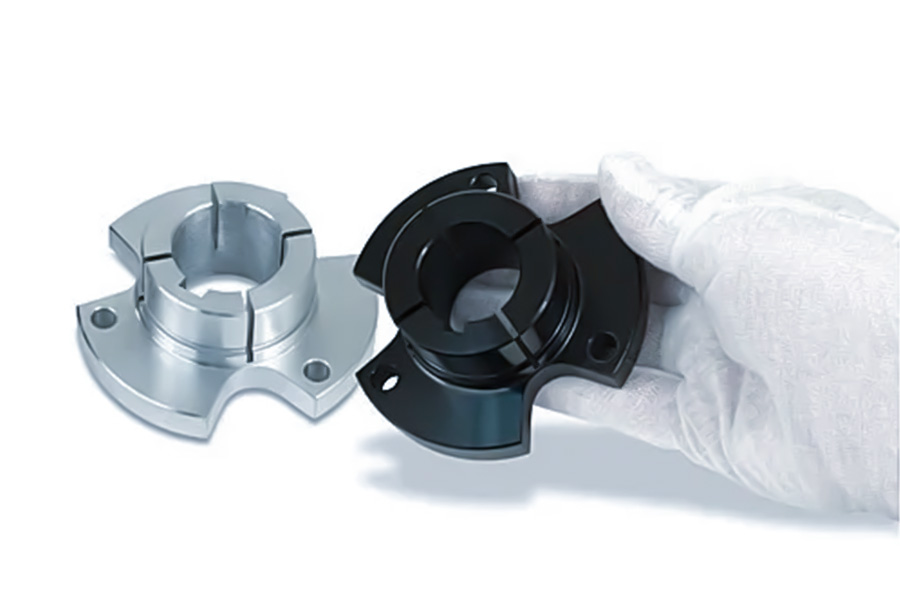
Why Choose Black Oxide Over Phosphate Coating?
In the anti-corrosion surface treatment process, black oxide (blackening) coating has become the preferred solution for precision parts (such as gears and hydraulic valve stems) with its core advantages of 67% cost savings, zero dimensional changes, and 250°C temperature resistance. Data reveals the logic of replacing phosphating!
1. Technical and economic rolling: saving costs but not performance
(1) Comprehensive cost comparison (processing cost per unit area)
| Cost item | Black oxide | Phosphate coating | Savings |
|---|---|---|---|
| Chemical consumption | ¥0.8/m² | ¥2.5/m² | 68%↓ |
| Wastewater treatment fee | ¥0.3/m² | ¥1.2/m² | 75%↓ |
| Energy consumption (natural gas) | ¥0.5/m² | ¥1.8/m² | 72%↓ |
| Total | ¥1.6/m² | ¥5.5/m² | 71%↓ |
Key conclusion: Annual production of 1 million gears (single piece surface area 0.02m²), annual savings of ¥780,000!
2. Precision retention: Revolution of micron-level film thickness
(1) Effect of coating thickness on part matching
| Parameter | Black oxide | Phosphate coating | Advantages |
|---|---|---|---|
| Standard film thickness | 0.5-1.5μm | 5-20μm | Dimensional changes can be ignored |
| Thread accuracy | 6H level unchanged | Downgrade to 7H level | Avoid over-tightening of bolts |
| Case: Automotive gearbox gear | Tooth backlash deviation ≤3μm | Deviation 12-25μm | Guarantee NVH silent performance |
✧ Experimental data: After the M6×1 thread is blackened, the pass rate of the go gauge is 100%; after phosphating, the pass rate of the go gauge is only 82% (ISO 965 standard)
3. Extreme working conditions adaptability: High temperature/corrosion scenarios win
(1) Comparison of heat resistance and anti-corrosion performance
| Test items | Black oxide | Phosphate coating | Failure risk |
|---|---|---|---|
| Continuous temperature resistance limit | 250℃ | 120℃ | Phosphate layer>120℃ powdering and shedding |
| Salt spray test (ASTM B117) | 72h (after oil seal) | 96h (manganese phosphating) | Note: Blackening + anti-rust oil is more cost-effective |
| Thermal shock cycle test | 300 times (-40℃↔150℃) | 50 times cracking | Key indicators of engine parts |
✧ Typical case: Turbocharger fasteners (working temperature 200℃) must be blackened
4. Environmental friendliness of the process: the inevitable choice for green manufacturing
| Environmental indicators | Black oxide | Phosphate coating | Regulatory risks |
|---|---|---|---|
| Wastewater toxicity | Low iron ion (GB 8978 Class 1) | High phosphorus/nickel/manganese (Class 3) | Phosphating requires special sewage discharge permit |
| Tanking liquid life | 12-18 months | 3-6 months | Reduce hazardous waste production by 60% |
| Carbon emissions | 0.8kg CO₂/m² | 2.5kg CO₂/m² | Dual carbon policy compliance |
Black oxide has established absolute advantages in cost, precision and temperature resistance, and is particularly suitable for:
- Automotive precision gears (ISO 1328 standard)
- Hydraulic valve blocks (ISO 4401 dimensionally sensitive)
- High-temperature fasteners (such as exhaust manifold bolts)
Phosphate coating only retains one advantage:
- Ultra-high wear resistance requirements (such as gun rails/machine tool slides), in this case, the manganese phosphate film thickness can reach 30μm+
What Are the Critical Quality Indicators for Black Oxide?
Key quality indicators of black oxide
① Four core parameters of film performance
Corrosion resistance:
Neutral salt spray test (NSS) after sealing ≥ 72 hours (MIL-DTL-13924D Class 4 standard)
Cyclic corrosion test (CCT) ≥ 15 cycles (GM 9540P Method B)
Film thickness uniformity:
Thickness range 0.5-1.5μm, allowable fluctuation ±0.2μm (XRF detection)
Porosity <5% (ASTM B117 cross-sectional metallographic verification)
Adhesion:
Passed ASTM B571 bending test (180° bending without peeling)
Tape peeling test (ISO 2409) Grade 0 (no peeling)
Friction coefficient:
Dynamic friction coefficient after sealing ≤0.15 (SAE J2435 test)
② Chemical composition control
Key concentration of bath liquid:
- Total alkalinity of NaOH 650±50 g/L
- NaNO₂ effective oxidant ≥120 g/L
- Fe²⁺ impurity ≤2.0 g/L (exceeding the limit will cause the film to turn red)
Conclusion
Black oxide concentrate technology is far more than a simple “dyeing” process. It builds a multifunctional protective layer on the metal surface through a precise chemical reaction and subsequent sealing treatment, while achieving excellent rust protection, excellent friction reduction and wear resistance, absolutely no risk of hydrogen embrittlement, beautiful matte appearance and excellent coating adhesion base. It has achieved an excellent balance between performance, safety and cost efficiency. For manufacturers seeking to improve the long-term reliability, safety and overall value of metal parts, modern black oxide treatment technology is undoubtedly a powerful and worthwhile key surface treatment technology. It takes metal surface treatment from simple protection to a higher level of performance and aesthetics.
 📞 Phone: +86 185 6675 9667
📧 Email: info@longshengmfg.com
🌐 Website: https://www.longshengmfg.com/
Disclaimer
The content appearing on this webpage is for informational purposes only. LS makes no representation or warranty of any kind, be it expressed or implied, as to the accuracy, completeness, or validity of the information. Any performance parameters, geometric tolerances, specific design features, quality and types of materials, or processes should not be inferred to represent what will be delivered by third-party suppliers or manufacturers through LS’s network. Buyers seeking quotes for parts are responsible for defining the specific requirements for those parts. Please contact to our for more information.
Team LS
This article was written by various LS contributors. LS is a leading resource on manufacturing with CNC machining, sheet metal fabrication, 3D printing, injection molding,metal stamping and more. 
FAQs
1. What protective properties of metal surfaces can be enhanced by black oxide concentrates?
Black Oxide Concentrate can greatly improve the protective properties of metal surfaces. It forms a dense and uniform oxide film on the metal surface, which acts as a solid barrier to moisture, oxygen and corrosive substances, reducing the corrosion rate of the metal and prolonging its service life in highly corrosive conditions such as the sea. At the same time, the oxide film also enhances the wear resistance of the metal surface, reduces the abrasion of the metal substrate during friction, and ensures the integrity of the surface structure and function.
2. What is the impact of using black oxide concentrates to treat metal surfaces on subsequent coating processes?
The impact on the subsequent coating process is positive. It provides a good adhesion basis for subsequent coatings. The special microstructure of the oxide film enables better coating wetting and adhesion, strengthens the bond between the coating and the substrate, and reduces flaking and peeling. It also improves the flatness and uniformity of the metal surface, making the coating smoother and more beautiful to meet diversified needs.
3. Is Black Oxide Concentrate applicable to all metal materials when treating metal surfaces?
It is not suitable for all metals, but it is widely applicable. It is effective in treating iron and steel and other ferrous metals, reacting with the components to produce a stable oxide film. Copper and its alloys can also achieve better results by adjusting the process parameters. However, active metals such as aluminum, magnesium, etc. due to the active chemical nature, the reaction is difficult to control, the formation of the oxide film may not be uniform, dense, or even excessive corrosion of the substrate, the treatment needs to be careful or use a special process.
4. How is the environmental performance of the black oxide concentrate in treating metal surfaces?
There are some advantages in environmental performance. Compared with traditional electroplating, etc., there is no emission of heavy metal ions, which reduces the risk of water and soil pollution. Less treatment waste liquid, low content of harmful substances, easy to meet the environmental emission standards. Low temperature treatment process reduces energy consumption and carbon emissions. R&D personnel are also optimizing the formula and process to further improve environmental performance and meet the requirements of sustainable development.


