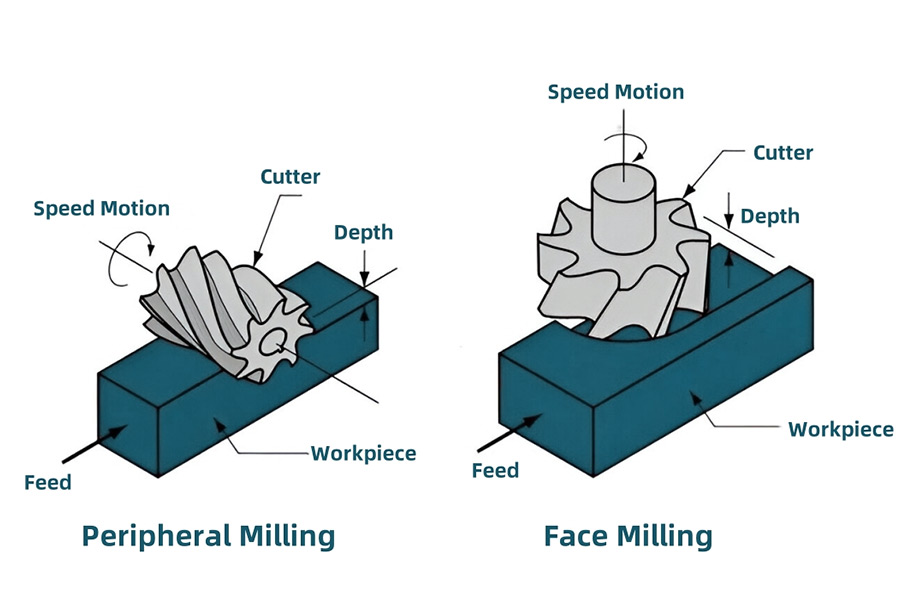
Face Milling vs Peripheral Milling: What’s the Difference?
In the […]
Face Milling vs Peripheral Milling: What’s the Difference? Read More »

The selection of plaster for metal casting needs to comprehensively consider the melting point of the metal, the precision of the casting and the process cost. From the high strength of α plaster to the rapid prototyping of foamed plaster, the combination of different formulas and processes provides diversified solutions for various industries.
What plaster is used for metal casting? Read More »
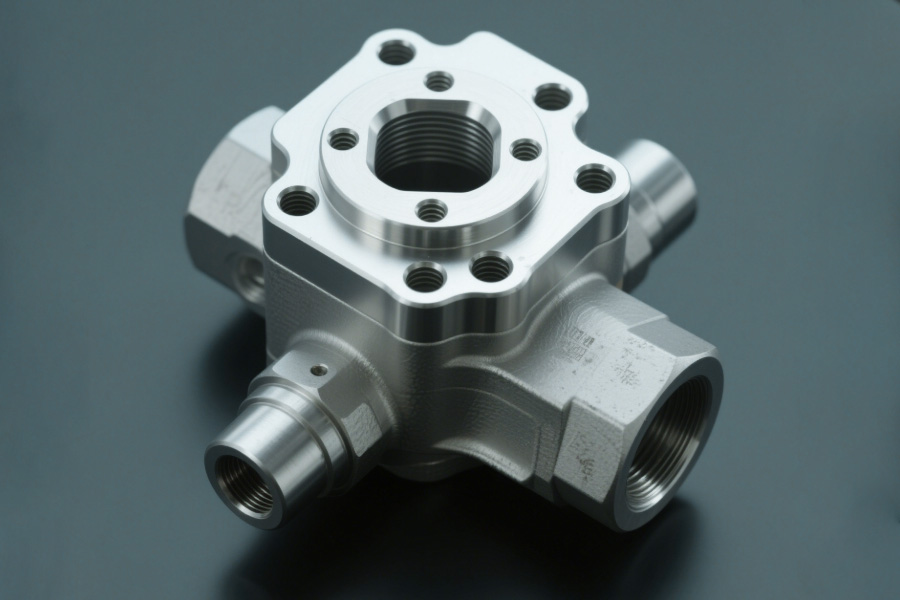
The reliability of hydraulic valves and fuel pumps directly determines the life and death of aircraft. From low-temperature hysteresis effect to seal failure, from electromagnetic interference to fatigue cracks, behind each case is the fatal shortcomings of design, materials and processes.
Hydraulic Valves & Fuel Pumps: 8 Hidden Killers in Aircraft Systems Read More »
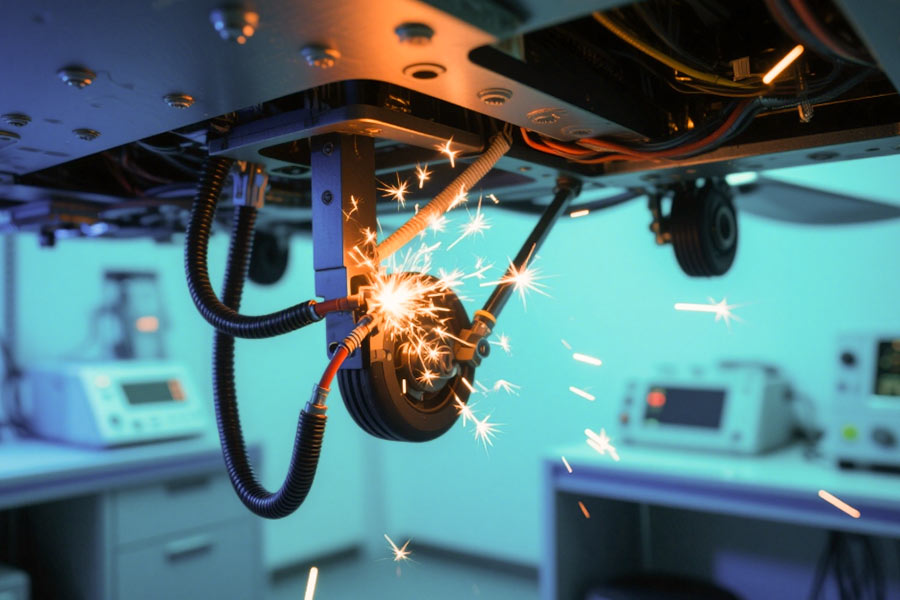
The hidden dangers of the flight control chassis and connectors are by no means minor problems, but key factors related to the safety of the entire aircraft. From material fatigue to signal interference, from failure in extreme environments to corrosion risks, each hidden danger may trigger a chain reaction
Flight Control Chassis & Connectors: Top 8 Hidden Dangers Exposed Read More »
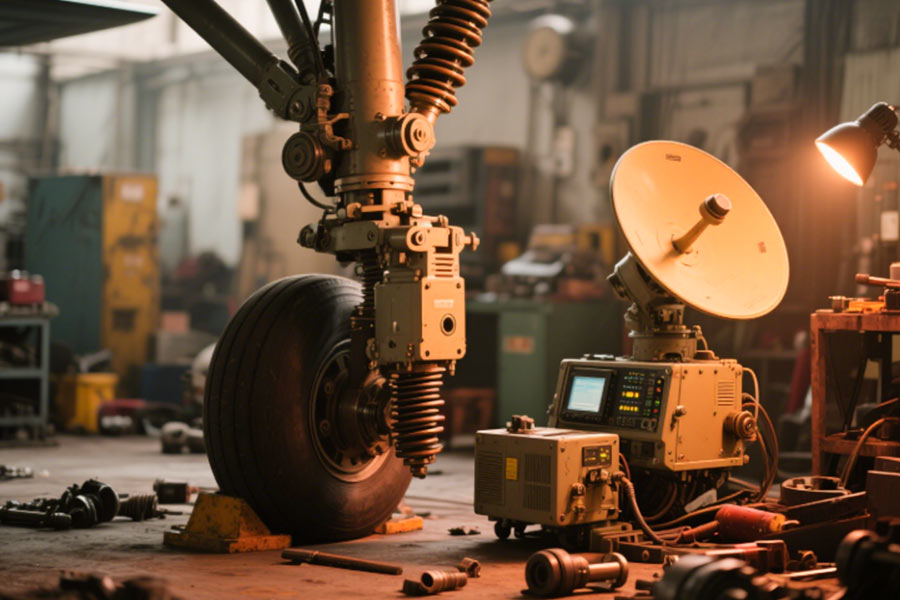
The shock absorber piston often breaks down first – high-frequency impact and extreme temperature accelerate its fatigue fracture, leading to chassis failure; and once the radar bracket is damaged, the consequences are even more fatal
What Breaks First? Shock Absorber Pistons & Radar Brackets Under Fire Read More »
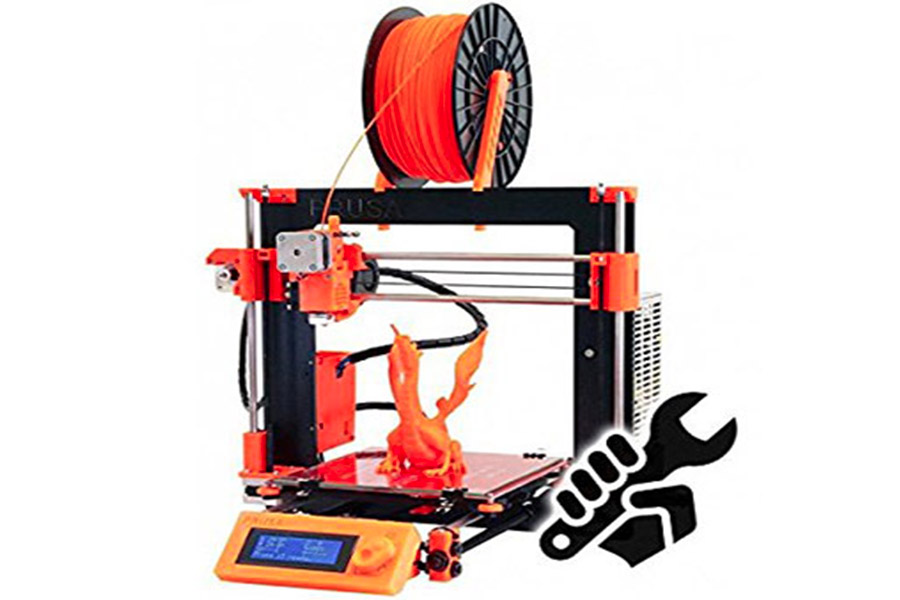
Automatic leveling technology has greatly improved the reliability and efficiency of 3D printing, which is especially important for beginners and mass production. It ensures perfect first-layer adhesion by compensating for uneven bed surfaces in real time, reducing printing
How important is auto-leveling on a 3D printer? Read More »
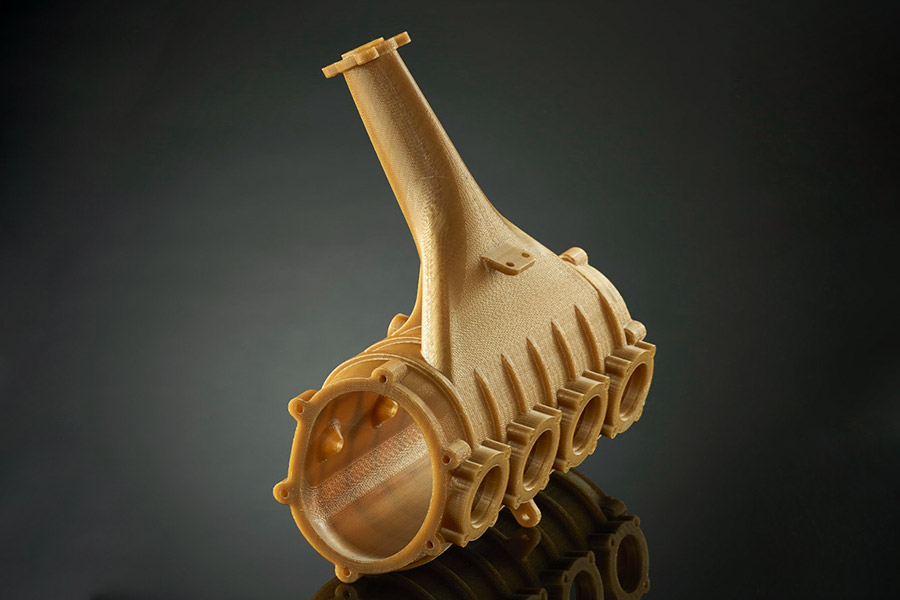
Polyetherimide (PEI) filament is not only a viable option for 3D printing, but also a revolutionary material for high-performance industrial manufacturing. Through high-temperature printers (nozzle>350°C, hot bed>150°C) with closed chambers and negative pressure exhaust systems
Can Polyetherimide Filament Be 3d Printing? Read More »
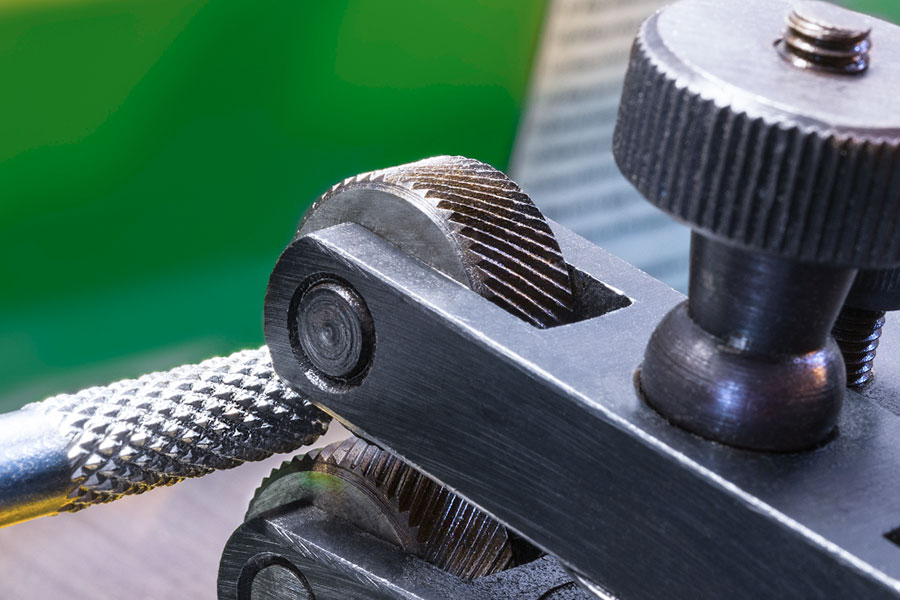
The core purpose of knurling is to permanently change the surface characteristics of the workpiece through mechanical deformation without adding any additional materials, which not only enhances the friction (friction coefficient can be increased by 300%-500%), but also achieves anti-slip function.
What is the purpose of knurling? Read More »
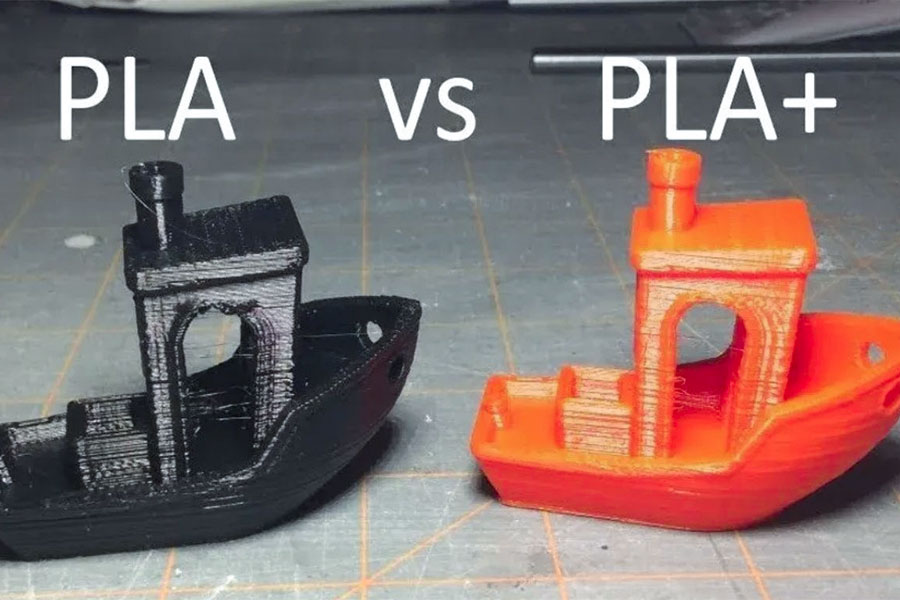
The choice between PLA and PLA+ is not a simple “upgrade or not”, but a precise trade-off based on the application scenario. PLA is still an ideal choice for low-intensity scenarios such as education and decorative models due to its low cost, ease of use and environmental protection;
PLA vs. PLA+: Differences and Comparisons Read More »
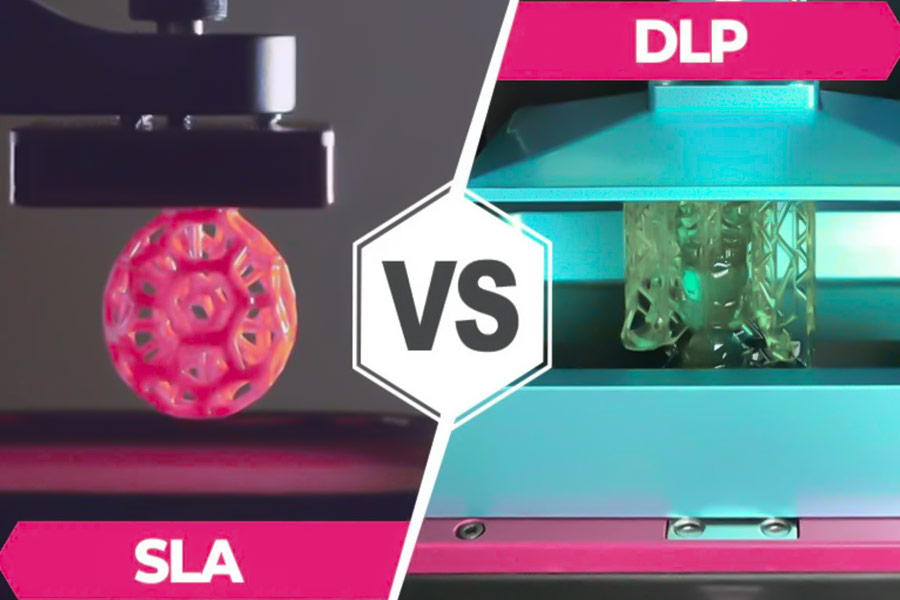
The essential difference between DLP (digital light processing) and SLA (stereolithography) stems from the technical principle: DLP uses a projector to solidify the resin in a whole layer, which is fast and low-cost, and is suitable for mass production of small and medium-sized parts (such as invisible braces); while SLA relies on laser point-by-point scanning,
What is the difference between SLA and DLP? Read More »