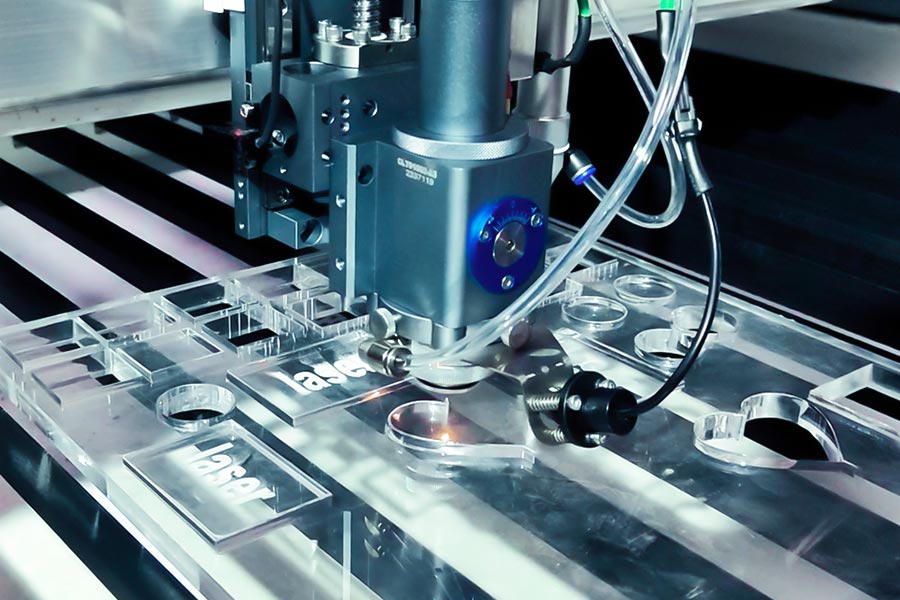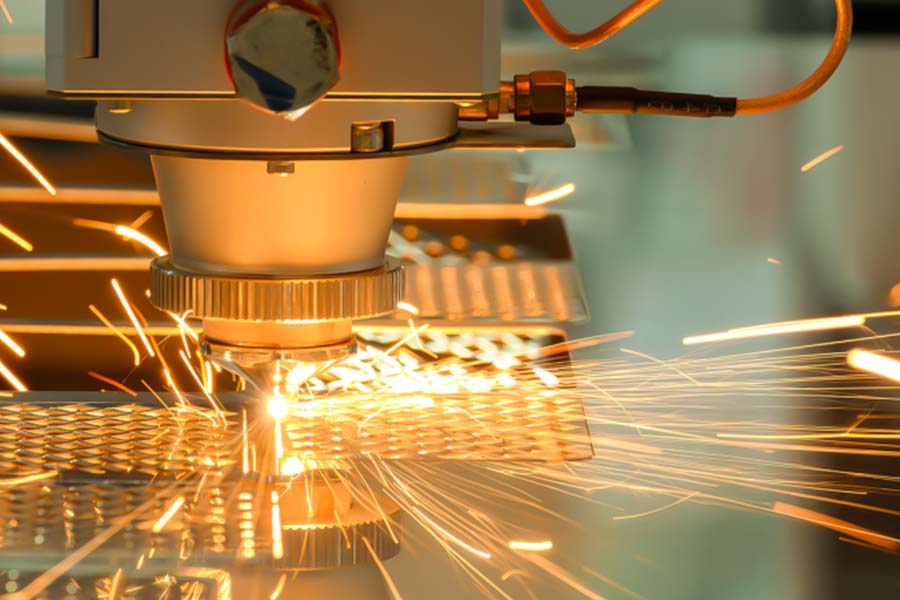
What is Fiber Laser Cutting: Definition, Process, Parameters & Types
As a […]
What is Fiber Laser Cutting: Definition, Process, Parameters & Types Read More »

The crux of unplanned grounding of passenger aircraft is often hidden in the “micro battlefield” of air conditioning impellers and oxygen latches – the corrosion fatigue of traditional aluminum alloy impellers and the low-temperature embrittlement of zinc alloy latches, exposing the lag of aviation material design in extreme working conditions.
What Grounds Passenger Jets? AC Impellers & Oxygen Latches Exposed Read More »
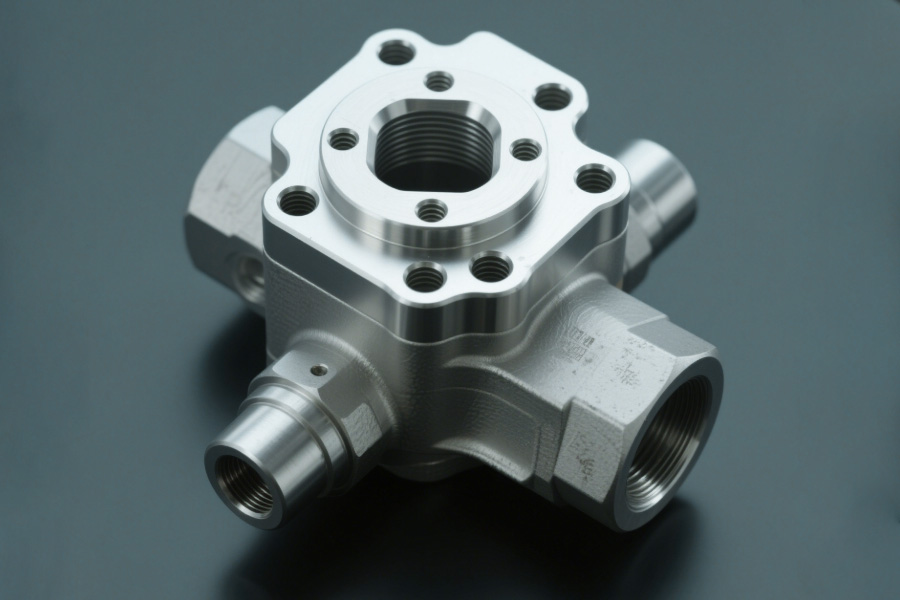
The reliability of hydraulic valves and fuel pumps directly determines the life and death of aircraft. From low-temperature hysteresis effect to seal failure, from electromagnetic interference to fatigue cracks, behind each case is the fatal shortcomings of design, materials and processes.
Hydraulic Valves & Fuel Pumps: 8 Hidden Killers in Aircraft Systems Read More »
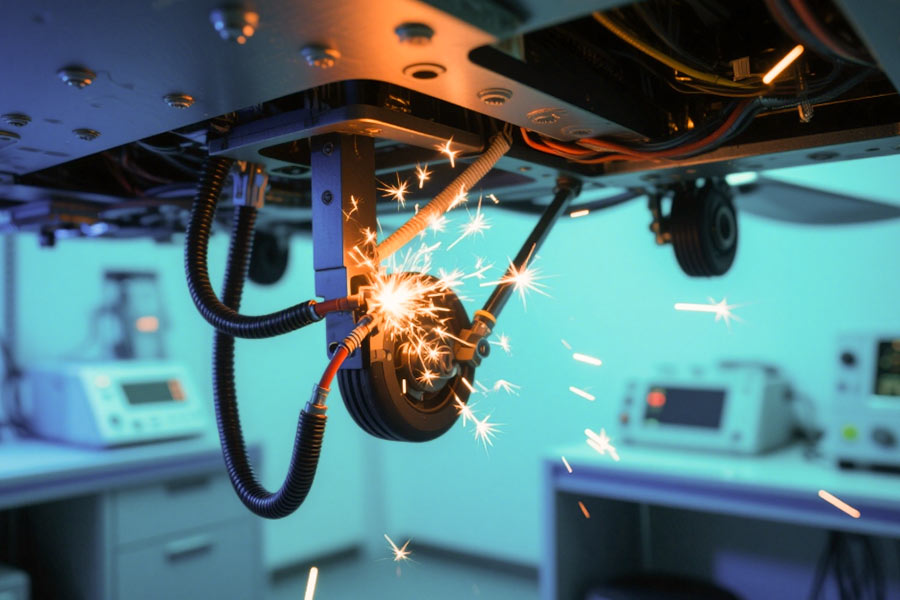
The hidden dangers of the flight control chassis and connectors are by no means minor problems, but key factors related to the safety of the entire aircraft. From material fatigue to signal interference, from failure in extreme environments to corrosion risks, each hidden danger may trigger a chain reaction
Flight Control Chassis & Connectors: Top 8 Hidden Dangers Exposed Read More »
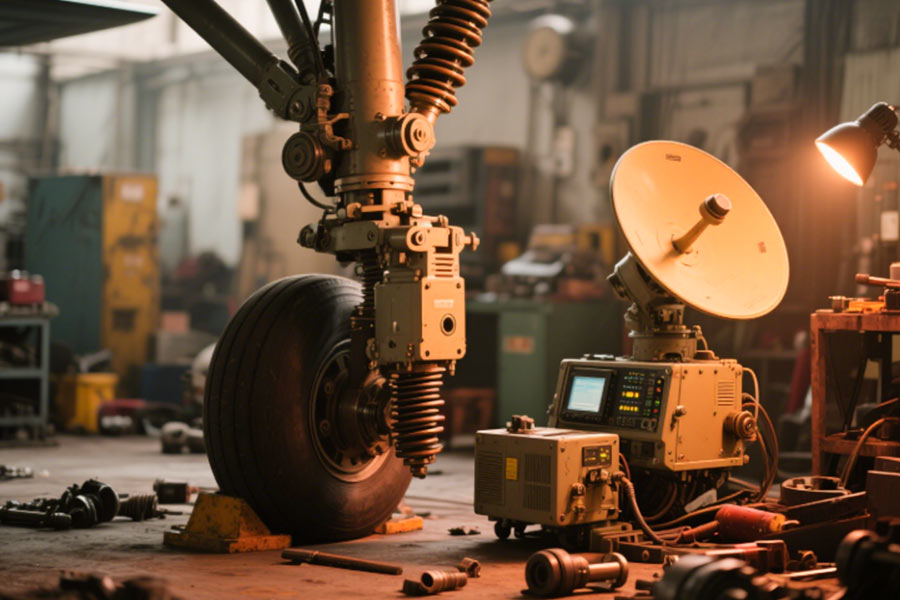
The shock absorber piston often breaks down first – high-frequency impact and extreme temperature accelerate its fatigue fracture, leading to chassis failure; and once the radar bracket is damaged, the consequences are even more fatal
What Breaks First? Shock Absorber Pistons & Radar Brackets Under Fire Read More »
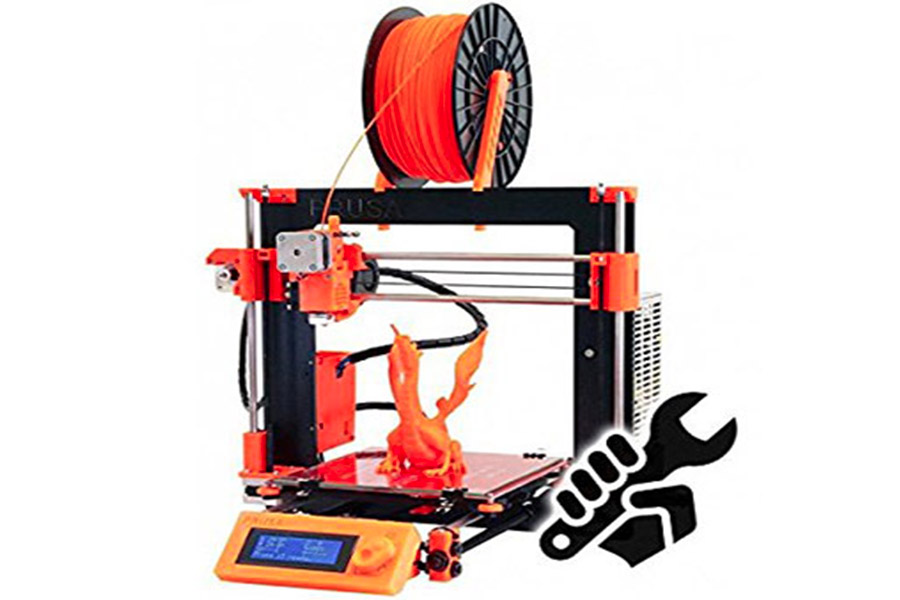
Automatic leveling technology has greatly improved the reliability and efficiency of 3D printing, which is especially important for beginners and mass production. It ensures perfect first-layer adhesion by compensating for uneven bed surfaces in real time, reducing printing
How important is auto-leveling on a 3D printer? Read More »
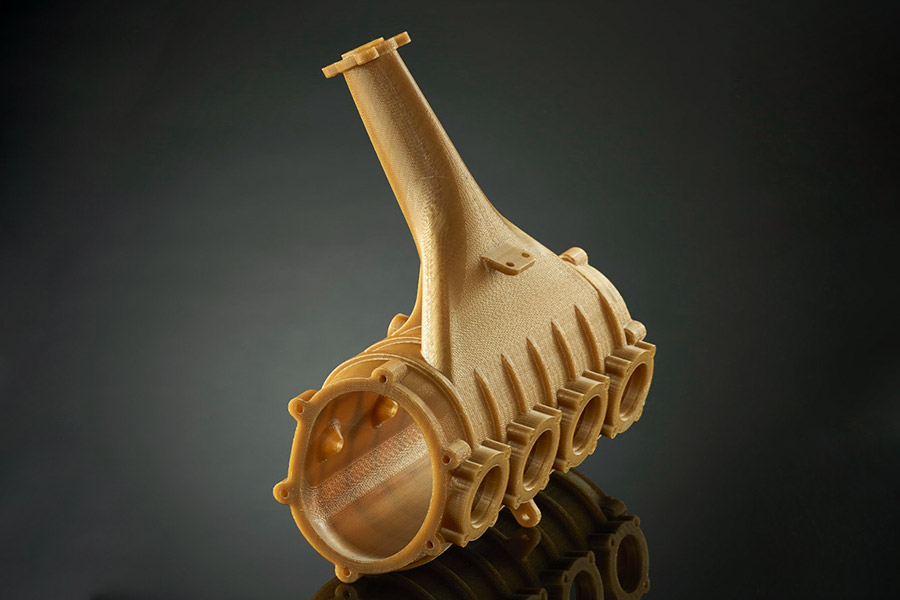
Polyetherimide (PEI) filament is not only a viable option for 3D printing, but also a revolutionary material for high-performance industrial manufacturing. Through high-temperature printers (nozzle>350°C, hot bed>150°C) with closed chambers and negative pressure exhaust systems
Can Polyetherimide Filament Be 3d Printing? Read More »