Are you caught between TPR (thermoplastic elastomer) and silicone in determining the optimal material for your product? It is a brutal compromise that manufacturers do not usually discuss.
Silicone offers better biocompatibility and heat resistance at very high cost.
TPR offers lower cost and acceptable flexibility at perhaps the cost of long-term safety and durability.
To be sensitive to this three-way trade-off between cost, performance, and safety is the essence of a knowledgeable decision. LS Precision‘s experience depth in polymer materials and in advanced modification technology not only provides you with a thorough analysis of material characteristics but also customizes cost-effective solutions for your requirements.
LS Precision’s experience in the industry allows you to make accurate trade-offs and create the most competitive products. To help you, a recap of the main findings is succinctly presented below.
TPR vs. Silicone: Material Selection Quick Reference
| Comparison Dimensions |
TPR |
Silicone |
| Cost Structure |
Low – The material itself is relatively low-priced, and the processing cycle is short, resulting in high production efficiency and a significant overall cost advantage. |
High – Raw materials are expensive, the curing cycle is long, energy consumption is high, and mold costs are relatively high. |
| Performance |
Good – Good toughness, soft touch, and easy to color. However, its resistance to high and low temperatures (-50°C to 90°C), aging resistance, and abrasion resistance are average, and it can easily deform and become sticky after long-term use. |
Excellent – High and low temperature resistance (-60°C to 250°C), excellent chemical inertness, aging resistance, non-toxicity, odorlessness, high transparency, and long service life. |
| Environmental Properties |
Recyclable – As a thermoplastic material, scraps and waste can be recycled. Some products may contain plasticizers. |
Non-recyclable – As a thermoset material, it cannot be melted and recycled after curing. However, food-grade and medical-grade certifications are easier to obtain and offer better biocompatibility. |
| Safety Certification |
Passing general environmental certifications (such as ROHS and REACH) is relatively easy, but achieving high-standard food/medical grades is more challenging. |
Industry Gold Standard – High-level food and medical safety certifications such as FDA, LFGB, and USP Class VI are easily obtained. |
Summary of Objective Material Selection Criteria:
- When TPR is given priority: Cost control is a top priority; the product is a low-durability consumer item with everyday use; excellent tactile feel and elasticity are needed; recycling and protection of the environment are a must during production.
- When Silicone is the Choice: The product involves food contact, toddler and infant products, pharmaceuticals, etc., where safety comes first; extremely high temperature resistance, aging resistance, and long service life are required; and high chemical stability and translucency are required.
There is no “better,” merely “more appropriate.” LS Precision is able to fine-tune TPR for specific properties using material modification technology so you can optimize cost vs. performance.

Why Trust This Guide? Practical Experience From LS Experts
This handbook is based on LS Precision’s over decade of expertise in polymer materials. LS Precision is not just a material supplier, but also a solutions partner to your products.
With a complete R&D team and top-notch modification laboratories, LS Precision Manufacturing are committed to the optimization of performance and innovative application of materials like TPR and silicone, with the goal of helping customers find the best cost vs. performance tradeoff.
LS Precision’s experience transcends theory:
- In the maternity and baby care category of products, LS Precision successfully helped customers maintain a feel and safety on par with silicone using reformed TPR at lower costs.
- For medical device components that are demanding on requirements, LS Precision particularly recommended and supplied specialty silicones precisely to meet biocompatibility standards.
This real project-based material selection experience forms the foundation for LS Precision to provide objective and sound recommendations.
What Is TPR? What Is Its Fundamental Difference From Silicone?
When deciding on product materials, all developers face a basic but straightforward question:
What is TPR? How does it differ from regular silicone? Understanding these two inherently distinct polymers is necessary.
1. TPR:
TPR (thermoplastic rubber) is
the combination of the plasticity of processing and the elasticity of rubber. At high temperatures, it melts into a flowable state and readily allows
rapid molding through processes like injection molding and extrusion. On cooling, it maintains the rubbery softness and resilience.
More importantly, as a thermoplastic blend, TPR can be repeatedly reprocessed and heated, and waste and scrap can be easily recycled, creating significant cost and environmental savings. Based upon the base material, TPR has been categorized into some categories like
TPE-S (on
SBS/SEBS),
TPO, and
TPV.
2. Difference Between TPR and Silicone:
Most of the fundamental difference between TPR and silicone lies in
the molecular structure and the processing behavior. TPR’s molecular chains are mostly entangled due to physical forces, which are reversible.
Silicone (thermosetting silicone rubber) is linear in form before vulcanization, but upon being heated and vulcanized, there is the formation of strong chemical cross-links between the molecular chains, a three-dimensional network that is stable. The chemical reaction is not reversible, i.e., once formed, silicone products cannot be melted and reformed, hence the term
“one-shot” thermoset material.
The most basic distinction between TPR and silicone is the distinction between “thermoplastic” and “thermosetting”:
- TPR includes the advantages of recyclability, short process times, and low cost;
- Silicone provides higher thermal stability, chemical stability, and physiological safety.
Your material choice depends upon your product’s total requirements for cost, production effectiveness, and final performance. LS Precision can provide you with full selection guidance and custom solutions for both materials.
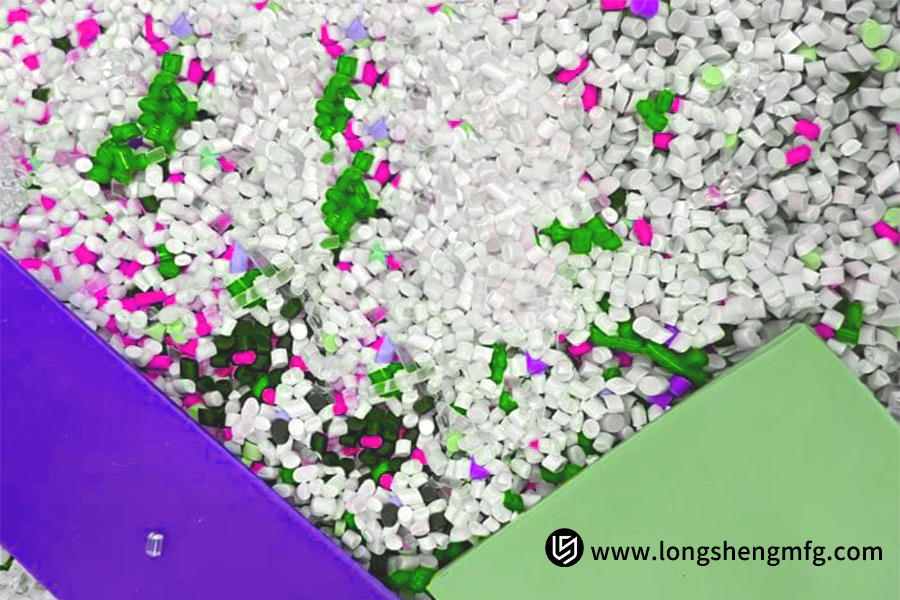
Cost Revealed: What’s The Real Price Difference Between TPR And Silicone?
Cost is also a key consideration in product design, as well as in material selection. The real cost difference between silicone and thermoplastic rubber (TPR) is not only natural in
raw material costs but also has
a systematic element in the whole process of manufacturing. A comparison of key cost items follows below:
| Cost Item |
TPR |
Silicone |
Cost Difference |
| Raw Material Price |
Medium (20-40 RMB/kg) |
High (30-80 RMB/kg) |
30%-50% lower for TPR |
| Mold Cost |
Injection molds are medium costly and have a long lifespan. |
Vulcanization molds have high requirements and are more expensive. |
20%-30% lower for TPR |
| Production Efficiency |
High (injection cycle 30-60 seconds) |
Low (vulcanization cycle 2-5 minutes) |
3-5 times higher for TPR |
| Production Waste |
100% recyclable scrap. |
Non-recyclable scrap, high waste rate. |
40%-60% lower for TPR |
| Energy Cost |
Low (processing temperature 170-200°C) |
High (vulcanization temperature 170-200°C) |
25%-35% lower for TPR |
| Overall Cost |
Low |
High |
TPR is 30%-50% cheaper. |
As shown in the table,
thermoplastic rubber (TPR) is very economical for large-scale production with total cost typically being 30%-50% lower than that of silicone rubber. This is mostly due to the fact that it is recyclable, very efficient, and requires less energy.
Despite the massive cost advantage of thermoplastic rubber (TPR), silicone rubber remains essential for uses requiring far-out temperature resistivity (-60°C to 250°C), ultra-high safety requirements (medical/food grade), and decent weather resistivity.
The astute choice is not so much to look for low cost, but to find the optimum value based on the ultimate use application and requirements of the product.
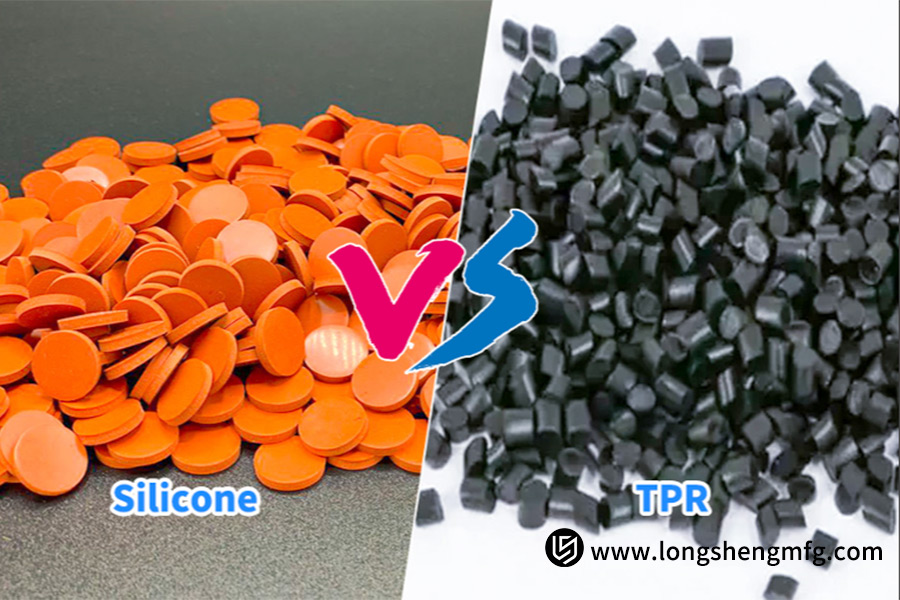
Comprehensive Performance Comparison: Which Material Is Best For Your Product?
While selecting a material, price is not enough; similarity of performance is the promise of product success. TPR (Thermoplastic Elastomer) and
silicone rubber are equally robust in physical and chemical properties.
The table below provides a meticulous comparison in 10 aspects to help you make a proper decision.
| Performance Specifications |
TPR |
Silicone |
| Abrasion Resistance |
Good (but prone to wear with long-term use) |
Excellent
|
| Temperature Resistance |
-50°C to 90°C (short-term resistance to 120°C) |
-60°C to 250°C (special grades can reach 300°C) |
| Elastic Recovery |
Good (risk of permanent deformation) |
Excellent (extremely low permanent deformation) |
| Tear Strength |
Moderate |
Excellent |
| Chemical Resistance |
Fair (not resistant to oils and strong solvents) |
Excellent (resistant to acids, alkalis, alcohols, and oxidizing agents) |
| Biocompatibility |
Food-grade certified, but medical-grade certification is difficult |
Excellent (easily FDA, USP Class VI, etc.) |
| Transparency |
Moderate (high-transparency grades available) |
Excellent (can be optically clear) |
| Hardness Range |
Wide (Shore A 0-100) |
Wide (Shore A 10-80) |
| Colorability |
Excellent (bright colors, strong adhesion) |
Good (but slight migration possible) |
| Weather Resistance |
Fair (needs UV inhibitors for improvement) |
Excellent (UV and ozone aging resistance) |
According to this cost performance comparison, it would become obvious that
thermoplastic elastomer (
TPR) would best fit general consumer products with cost-sensitivity such as tool handles, commodities for everyday use, toy parts, and coverings of electronic goods. It is very colorable and economical to process.
Silicone, on the other hand, is an essential choice for medical devices, food contact use, high-temperature kitchenware, and premium seals due to its excellent heat resistance, chemical stability, and biosafety.
LS Precision has expert technical consulting and material customization services to make your selected material exactly suitable for your product needs.

Safety Performance Assessment: Is TPR Material Truly Non-Toxic and Safe?
Is TPR material toxic? It is a foremost concern of the majority of consumers when choosing products for everyday use. In fact, strictly certified
TPR material is completely non-toxic, safe, and environmentally friendly, and has been widely used in application that has extremely high safety requirements.
1. Medical:
In the medical industry,
TPR material has been subjected to ISO 10993 biocompatibility testing, is not latex protein and heavy metal-contaminated, and is non-allergenic. Its stable molecular structure cannot cause volatilization of harmful chemicals, so it is widely used in medical products such as
infusion sets and
respirators.
2. Food Contact:
In applications for food contact,
TPR material is FDA 21 CFR 177.2600 compliant and NSF/ANSI 51 certified to be utilized in food preparation equipment and packaging. Chemical stability does not allow it to have any undesirable reactions with food ingredients and preserves the initial flavor of food.
3. Infant and Toddler Products:
For baby and toddler products, TPR material passed EN71-3 toy safety standards and ASTM F963-17 testing, and does not leach out poisonous chemicals such as
BPA or
phthalates.
Medical-grade TPR is used by most popular pacifier, teether, and cutlery brands.
On the other hand,
silicone material also offers better safety performance but at a higher cost and rigidity. While having the same safety rating, TPR offers improved flexibility and bang for buck.
TPR material is not only safe and non-toxic but also multi-internationally certified, demonstrating that it is biocompatible and chemically stable. Consumers can utilize certified TPR products safely in medical, food contact, and infant product applications.
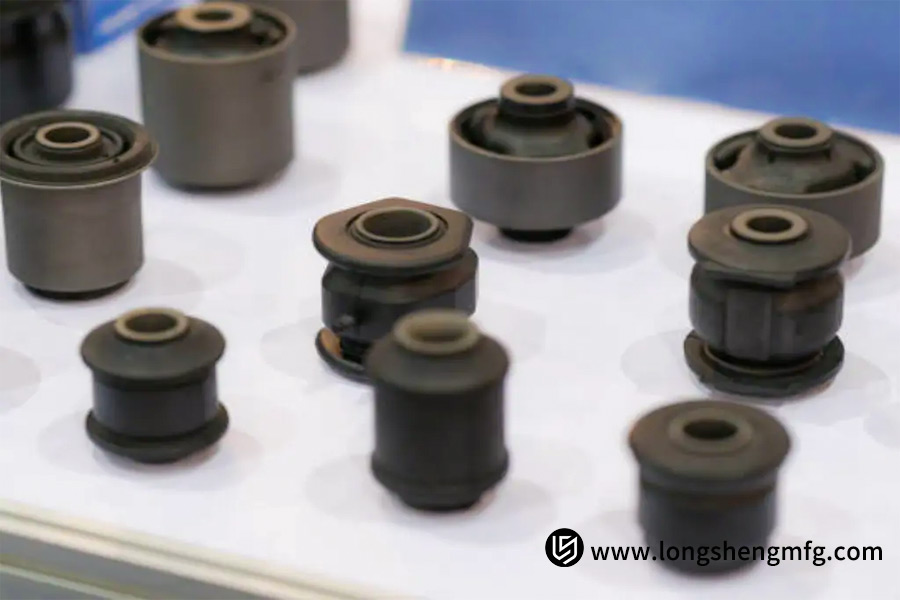
Processing Comparison: Which Material Is More Suitable For Mass Production?
For industrial production,
processing behavior of TPR and silicone is significantly different and has a direct effect on cost and efficiency of mass production. As an expert material solution company, LS Precision has conducted a detailed comparison of the processing technologies between the two materials from years of production experience.
1. Injection Molding Process:
TPR material enjoys huge processing advantages in injection molding. Its 160-200°C processing temperature range is significantly lower than the 170-220°C for silicone, which saves energy by approximately 25%.
TPR injection molding cycle is 30% less than silicone, and it eliminates the requirement of a vulcanization process, leading to significant production efficiency.
Statistics from LS Precision show that the scrap rate for
TPR injection molding can be controlled under 2%, while silicone, since it is difficult to control the vulcanization level, generally has a scrap rate of 3-5%.
2. Extrusion Molding Process:
TPR has improved stability when extrusion molding. TPR may be directly extruded using standard plastic extrusion machines, while silicone must go through specialized vulcanizing machines, which means its initial investment is over 40% more expensive.
TPR can extrude at 25-40 m/min, about 50% faster than silicone, and possesses greater dimensional stability, eliminating the need for secondary processing procedures.
3. In mass production:
In mass production with annual production above one million units,
TPR material is significantly economical. In a customer project for LS Precision, for example, utilizing TPR cut reduced manufacturing cost by approximately 35% compared to silicone, with 18% savings contributed by energy, 12% for scrap avoidance, and 5% of savings in depreciation of equipment.
- In large-scale production use, TPR enjoys an enormous advantage in processing efficiency, energy control, and total cost, and is therefore better suited for cost-based large-scale industry manufacturing.
- Silicone, on the other hand, should be utilized in thin applications where accurate material performance characteristics are needed.
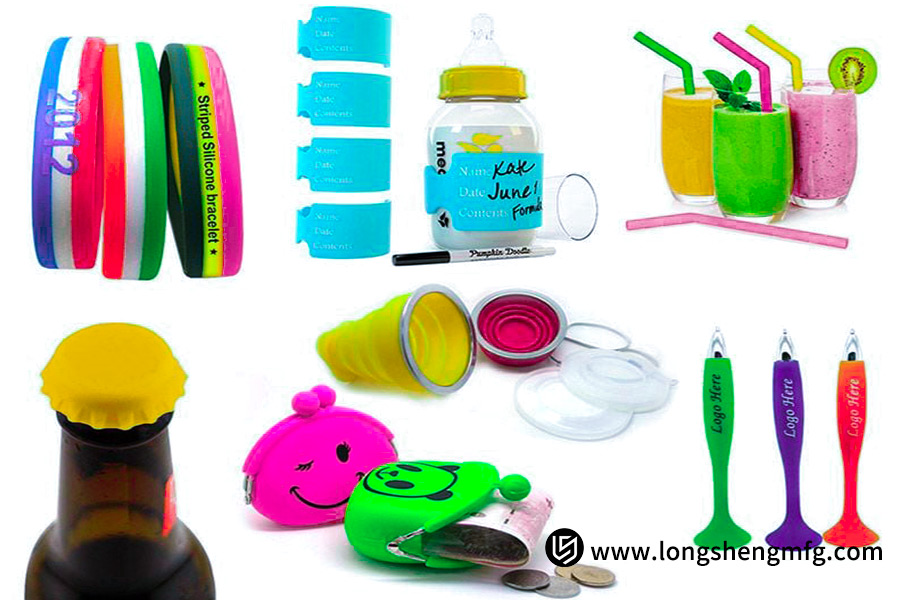
Application Guide: How To Select A Material Based On The End Use?
TPR and silicone each have their own advantages in selecting materials. Selecting a suitable material requires careful consideration of
product application, operation conditions, and cost. Different application areas have specific material performance requirements.
1. Medical Devices:
Medical-grade TPR or ISO 10993-approved silicone are employed in the medical equipment market. Silicone is employed for implantable devices with greater biocompatibility, and cheaper medical-grade TPR is employed for external devices such as respirators and IV tubing. LS Precision designed a TPR airbag assembly for one specific brand of blood pressure monitor that met medical specification while
reducing cost by 30%.
2. Food Packaging:
The packaging must be made from
FDA-approved materials.
Silicone is more suitable for high-temperature retort packaging, whereas
TPR is more suitable for ambient temperature seals of food containers. One food company saved 25% on packaging costs when it changed to TPR seals without any impact on food safety.
3. Electronics:
In the electronics component business,
the temperature and insulation resistance of the material should be given top priority.
- Silicone is a good high-temperature insulator and should be applied to high-temperature components such as mobile phone heat sinks;
- TPR would be more suitable for where a good sense of touch is required, such as headphone cables and controller grommets.
4. Automotive Components:
Weather resistance and mechanical properties are the most important in
automotive parts:
- TPR that is age-resistant can be used in out-door parts like door seals and shift knobs, ensuring functionality along with a superior appearance.
- Silicone high-temperature-resistant is best used in engine compartment parts.
Material Selection Rules:
Initially, determine the product operating conditions and technical requirements, then comprehensively balance material performance and cost factors.
- TPR is appropriate for budget-conscious projects with low performance requirements;
- For professional users that entail extremely stringent performance requirements, silicone must be employed.
Regardless of what material is chosen, it should be to industry-specific certification standards.
LS Case Study: How To Optimize Material Selection For Smart Wearable Customers?
In the extremely competitive smart wearable device market, material selection has become a key factor in determining product success or failure.
LS Precision recently provided a innovative material solution to a well-known smart bracelet brand owner, fully demonstrating the all-around excellence of TPR in the smart wearable market.
1. Client Challenge:
The intelligent bracelet producer initially used silicone in the watchbands. While this was skin-friendly, the issue of being too expensive arose.
The silicone strap accounted for 35% of the total cost of the product, which significantly reduced its market competitiveness. At the same time, the existing materials lacked wear resistance and discoloration resistance, resulting in a high percentage of customer complaints.
2. LS Precision’s Solution:
LS Precision assembled a technical team of specialists to conduct extensive comparative tests between TPR and
silicone materials. Through
3,000 abrasion tests, skin allergy tests, and sweat immersion tests, they found that the company’s proprietary
TPR material has
40% better wear resistance than silicone with better skin compatibility. The team developed a proprietary sweat-resistant formula that allows the TPR material to achieve color stability even under long-term exposure to sweat.
3. Final Results and Value:
Through material substitution and process improvement,
LS Precision Manufacturing helped the customer save 30% in watch strap costs, which amounts to over 2 million yuan of material procurement cost savings annually. The new product sustained 10,000-cycle bend testing and 500-hour aging testing, which meet industry requirements.
Complaints from customers were decreased by 60%, greatly improving the market competitiveness of the product, and consequently resulting in
a 25% annual sales boost of this series of smart bracelets. It can be seen from this case that with the scientific testing of materials and formula innovation, TPR material can completely satisfy the safety, comfort, and durability needs of smart wearable devices and provide great economic value to consumers.
From A Sustainability Perspective: Which Material Is More Environmentally Friendly?
In the face of increasing environmental regulation and an escalating level of customer awareness,
environmental friendliness is fast emerging as a deciding criterion when a material is being chosen. From a life cycle standpoint, TPR has outstanding sustainability advantages.
1. Recyclability:
TPR boasts very good environmental advantages. As a thermoplastic,
TPR is recyclable numerous times with over 80% physical property retention. Silicone, as a thermoset, is not as readily recyclable and typically must be downgraded or landfilled. LS Precision’s closed-loop manufacturing system provides 100% recyclability of TPR scrap that reduces
raw material waste significantly.
2. Carbon Footprint:
Carbon footprint comparison reveals that
production energy use of TPR is around 35% lower than silicone. The processing temperature of TPR is usually 160-200°C, while for silicone it is 170-220°C. With higher energy use, of course, more carbon is released. In addition, the lower density of TPR allows for producing more units of product per unit weight, again reducing the carbon footprint per unit product.
3. Degradability:
While neither of the two materials is biodegradable by nature,
TPR can be rendered more eco-friendly by adding biodegradable additives to it. Bio-based new TPR compounds have more than 30% biomass, with reduced dependence on petroleum resources.
4. Environmental Certification:
TPR is simpler to environmental certify, e.g., REACH and RoHS, and is free of environmentally controversial elements such as volatile siloxane compounds, which are very likely to be present in silicone.
From the viewpoint of sustainable development, TPR represents greater environmental performance in recyclability, carbon footprint, and environmental compatibility, and is an ideal choice for eco-friendly businesses.
FAQs
1. Can TPR be used in food contact products?
In fact, FDA-compliant TPR resins are suitable for use in food contact applications. These products must comply with
FDA 21 CFR 177.2600 and pass certain migration tests. In selecting a material, one must take into consideration the type of food (alcohol-containing, oil-containing, or water-containing) and contact temperature. It is recommended to test under conditions of use to be certain that the material being selected will not leach any toxic substance with long-term use, thus food safety.
2. Which material should be chosen for high-temperature environments?
Silicone has far superior high-temperature resistance than TPR. It can maintain stable performance for a long period at 200-250°C and even bear 300°C temporarily. TPR’s resistance temperature range is usually 80-120°C; when the temperature is higher than this, it will become soft and deformed. For applications involving high-temperature sterilization or hot sealing, the use of silicone is advised. For lower temperature operation and for the requirement of better cost-effectiveness, the use of TPR can be opted for.
3. Which material is more suitable for products requiring a pleasant tactile feel?
Both the materials offer good tactile properties but with a different character. Silicone has a soft and skin-like feel and is ideal for high-end products. TPR can be engineered to offer Shore A50 to Shore A90 hardness range to replicate the softness of silicone but with a firmer grip. For the products requiring specific tactile feel, more freedom of design and economy are offered by TPR.
4. How should I decide whether to choose TPR or silicone for my product?
Selective consideration is recommended based on ambient operating temperature, chemical exposure, mechanical strength requirements, cost factors, and production volume. As a rule of thumb, high-temperature, high-demand medical applications favor silicone, and low-temperature, high-volume production applications favor TPR.
LS Precision offers free material selection consulting service, including sample testing, comparative performance analysis, and cost analysis, to recommend the optimal material solution based on your specific needs.

Conclusion
TPR and silicone each has its own strengths. TPR excels in terms of cost, processability speed, and recyclability, and is thus best suited to high-volume production and cost-conscious applications.
Silicone excels in heat resistance, biocompatibility, and chemical inertness, and thus for premium medical and specialty industrial applications.
There must be a systematic process of evaluation in material selection. Begin with the establishment of operating environment and technical product requirements, then budget and production quantity, and finally validate material performance through testing.
If you are having difficulty in material selection,
contact LS Precision Materials specialists. We provide complimentary sample testing and selection consultation, leading you to the optimal material solution by performance comparison analysis and cost comparison.
📞 Phone: +86 185 6675 9667
📧 Email:info@longshengmfg.com
🌐Website:
https://www.longshengmfg.com/
Disclaimer
The content appearing on this webpage is for informational purposes only. LS makes no representation or warranty of any kind, be it expressed or implied, as to the accuracy, completeness, or validity of the information. Any performance parameters, geometric tolerances, specific design features, quality and
types of materials, or processes should not be inferred to represent what will be delivered by third-party suppliers or manufacturers through LS’s network. Buyers seeking
quotes for parts are responsible for defining the specific requirements for those parts.
Please contact to our for more information.
Team LS
This article was written by various LS contributors.
LS is a leading resource on manufacturing with CNC machining,
sheet metal fabrication,
3D printing, injection molding,metal stamping and more.


