Machined parts ship in 3 days, order your metal & plastic parts today. info@longshengmfg.com

Anodizing Services

We use different types of anodizing, such as Type II polar oxidation and Type III anodizing, which can be customized according to the requirements of the product

Home / Services / Surface Finishing / Anodizing Services

Anodizing type II
All tolerances apply after anodizing

Project Info
Materials Aluminum
Colors Clear, black, you can define your color according to RAL.
Glossiness Glossy or matte
Texture Smooth, matte finish.
Thickness 0.00007” to 0.0010”
Surface roughness Ra 0.4μm to 1.2μin
Hardness 250-500 HV(The hardness range can be adjusted as needed)
Heat resistance 150°C(302°F)
Application Improve hardness, increase surface wear resistance, and enhance aesthetics

Anodizing type III
All tolerances apply after anodizing.

Project Info
Materials Aluminum
Colors Clear, Black
Glossiness Glossy or matte
Texture Smooth, matte finish.
Thickness 0.0005” to 0.0045”
Surface roughness Ra 0.5μm to 3.0μin
Hardness 450-600 HV(The hardness range can be adjusted as needed)
Heat resistance 200°C(392°F)
Application Used to improve the corrosion resistance, wear resistance, and appearance of metal parts

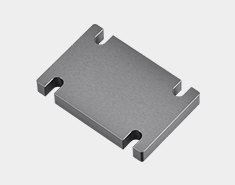
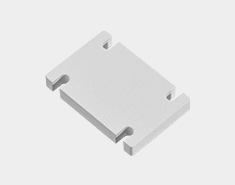
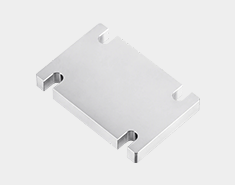
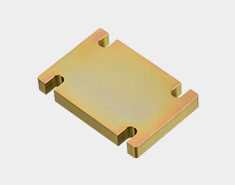
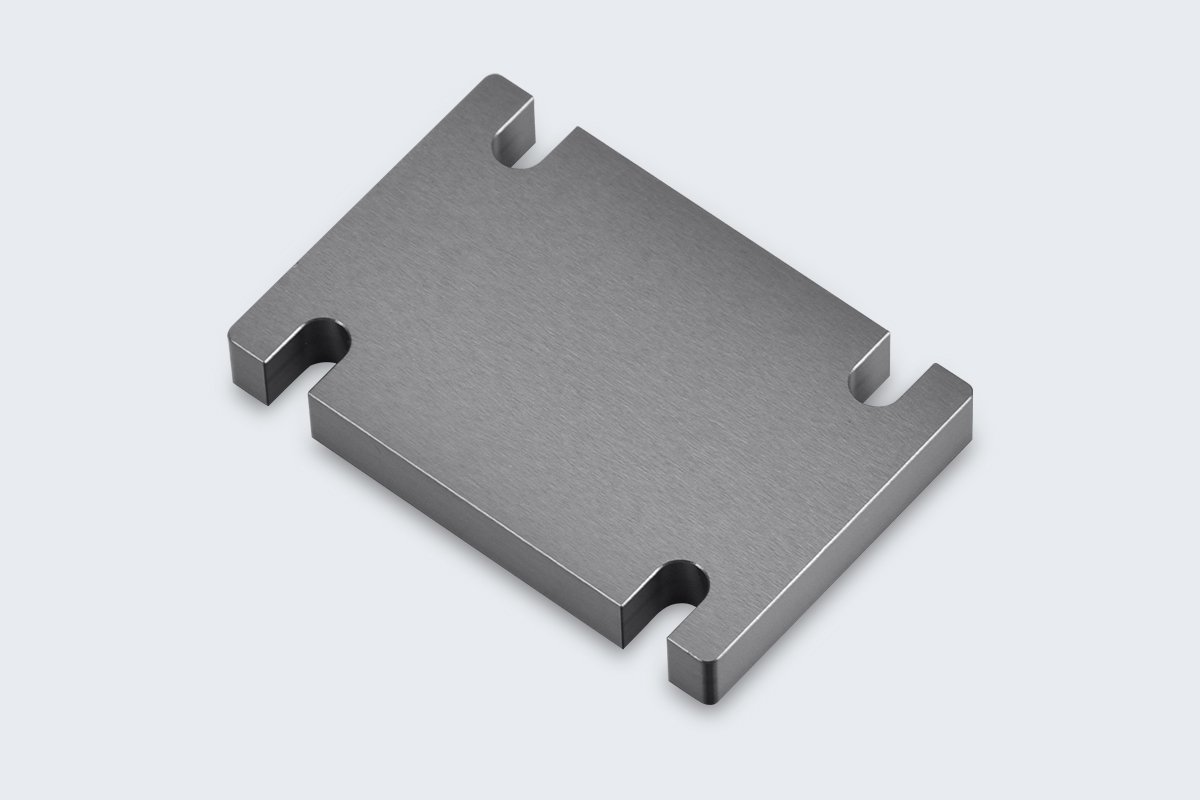
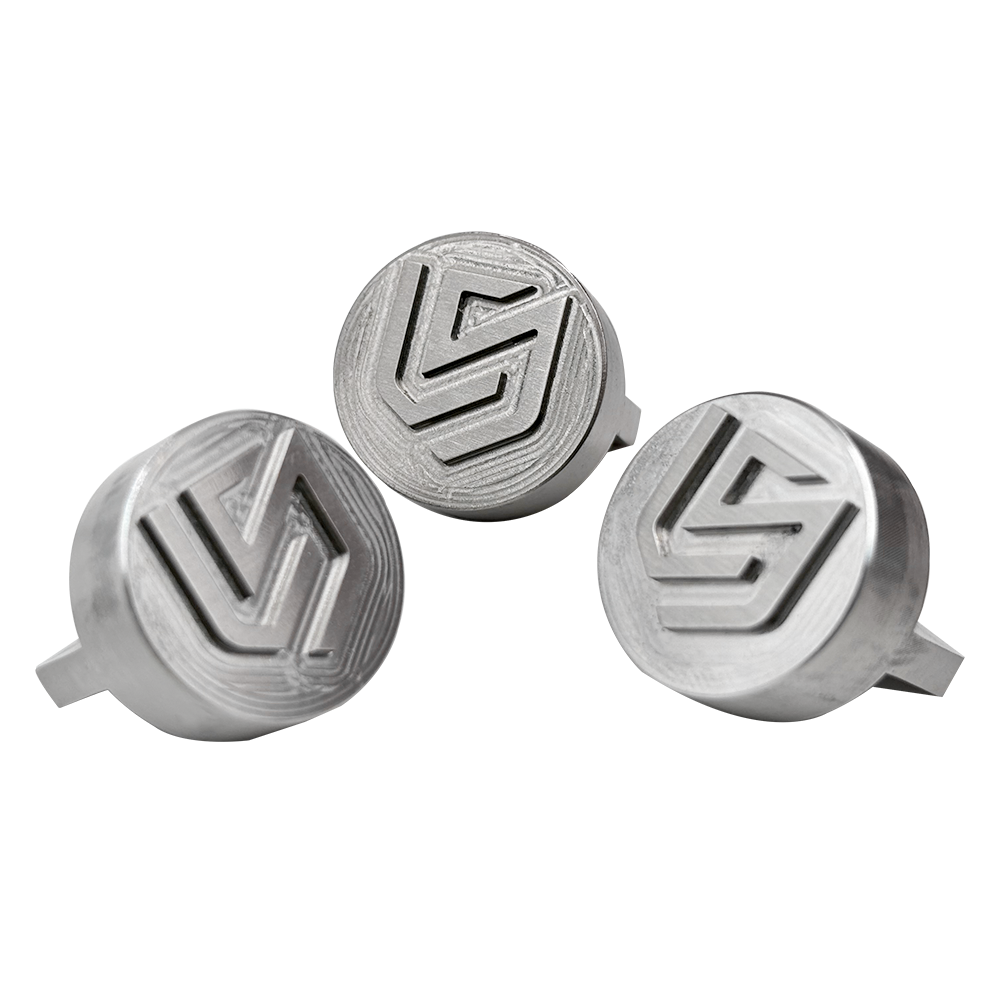
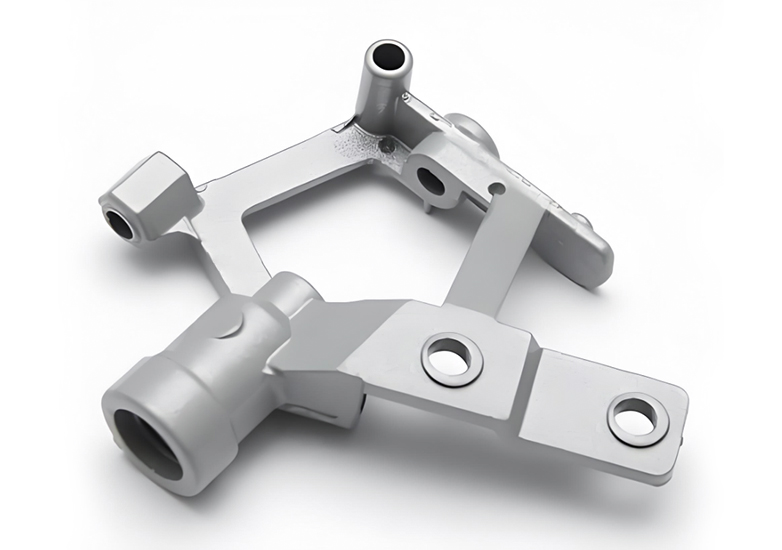
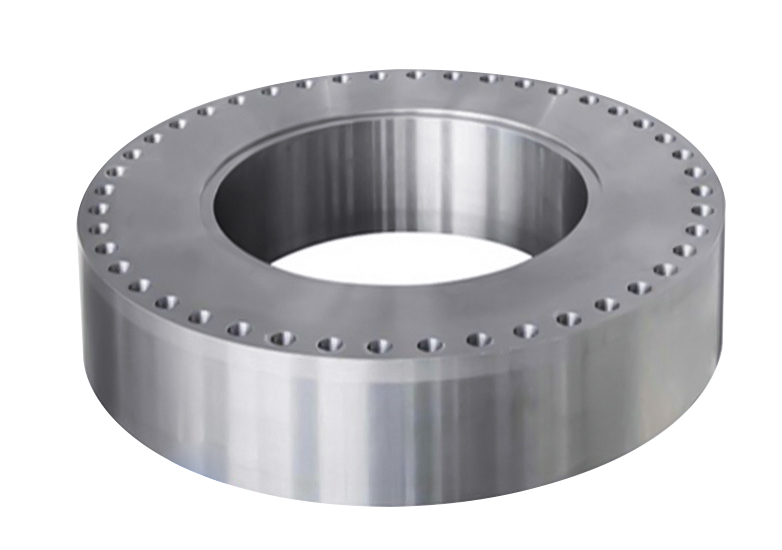
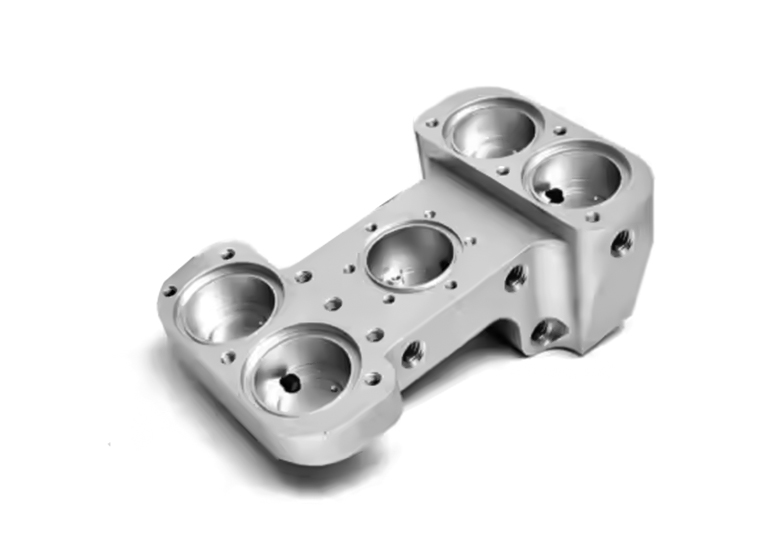
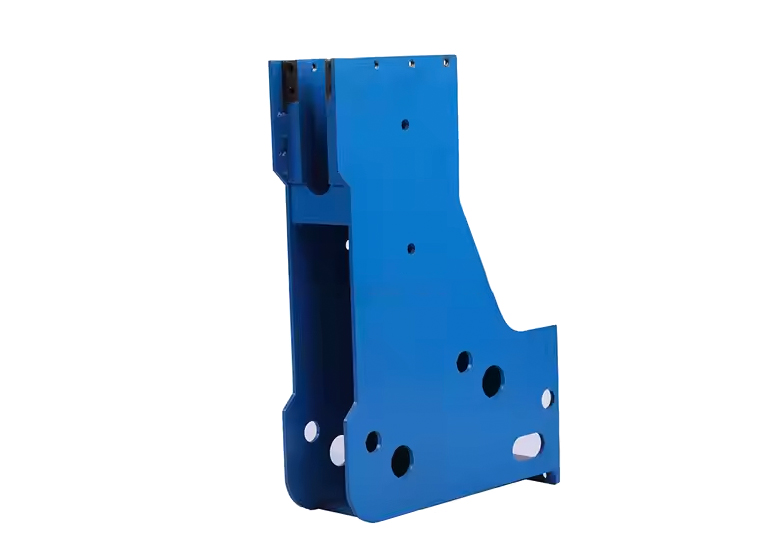
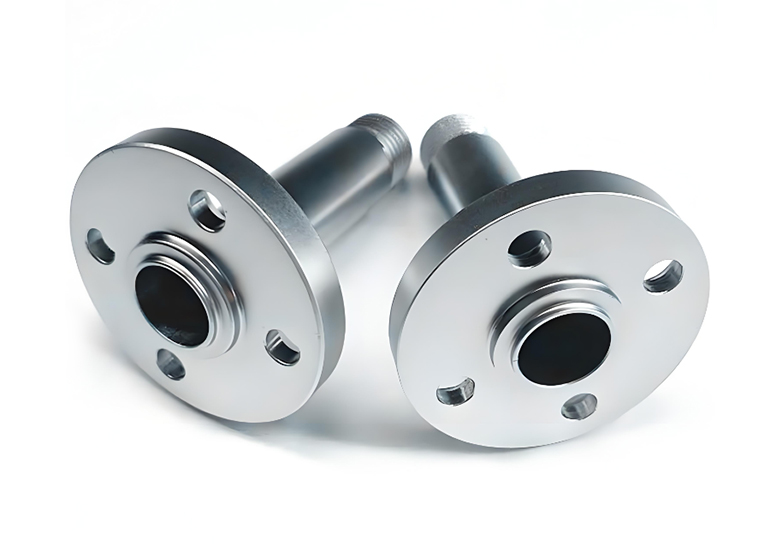
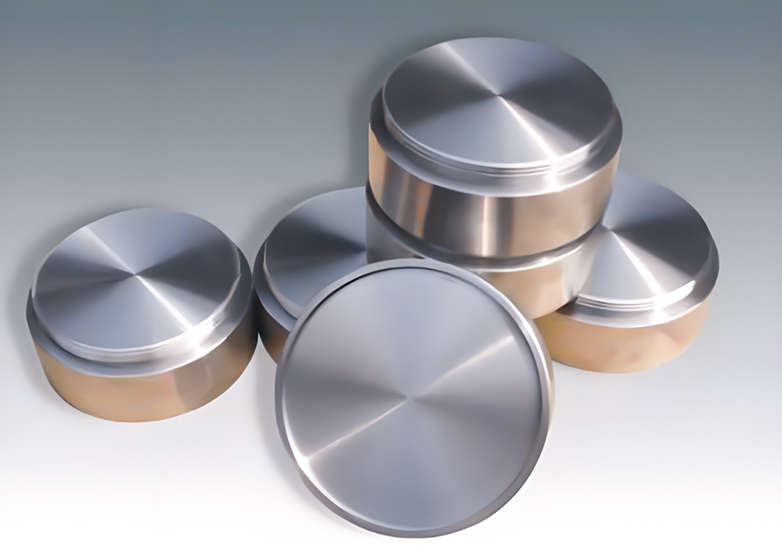
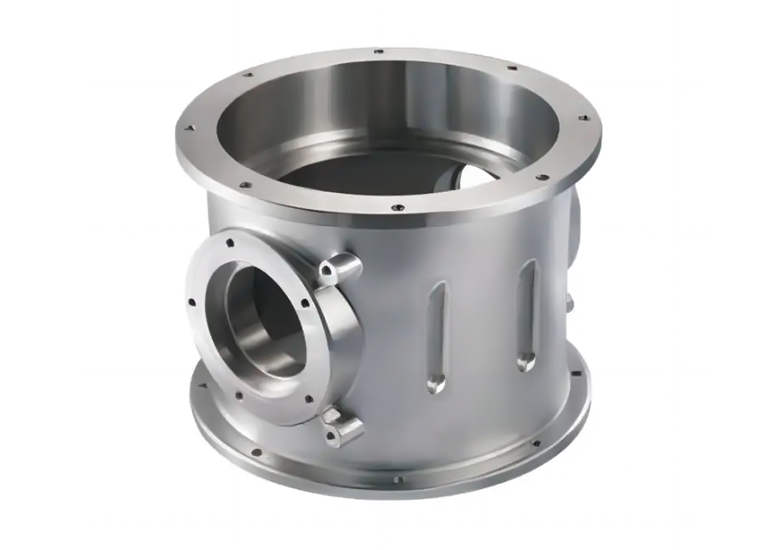
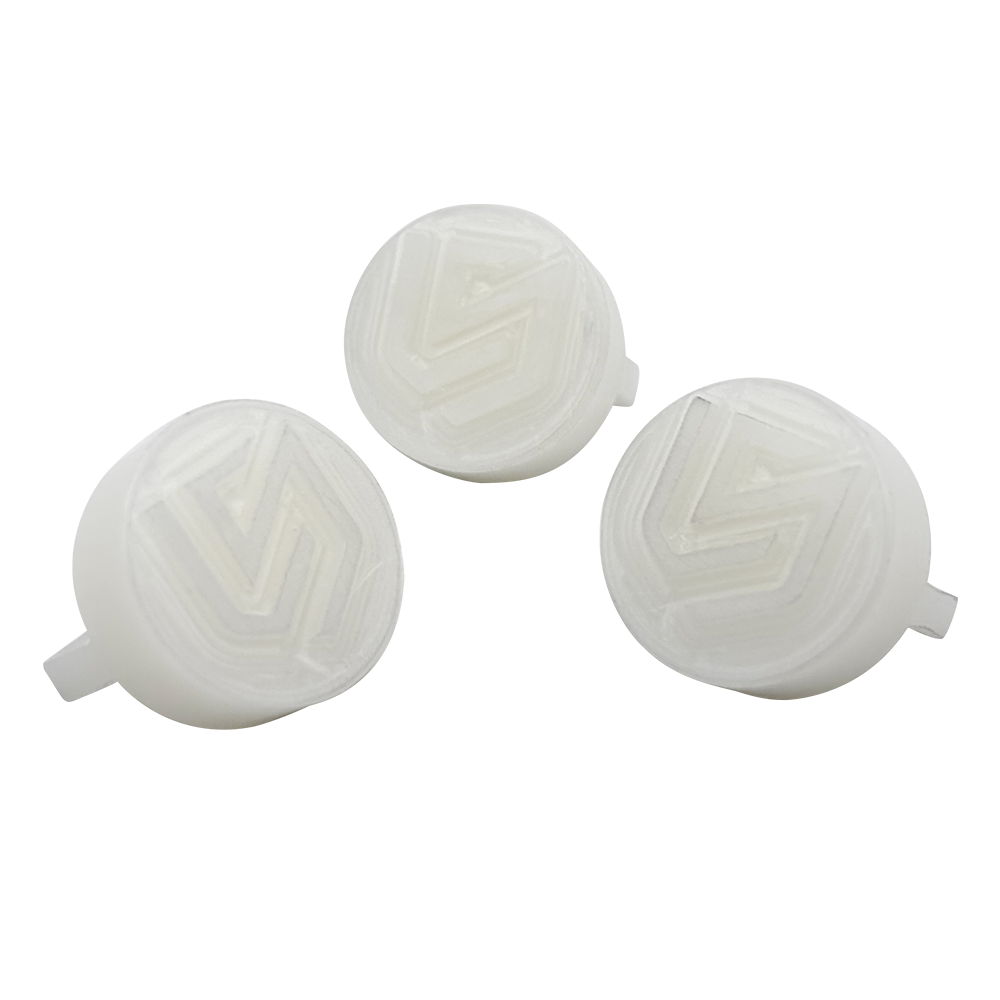
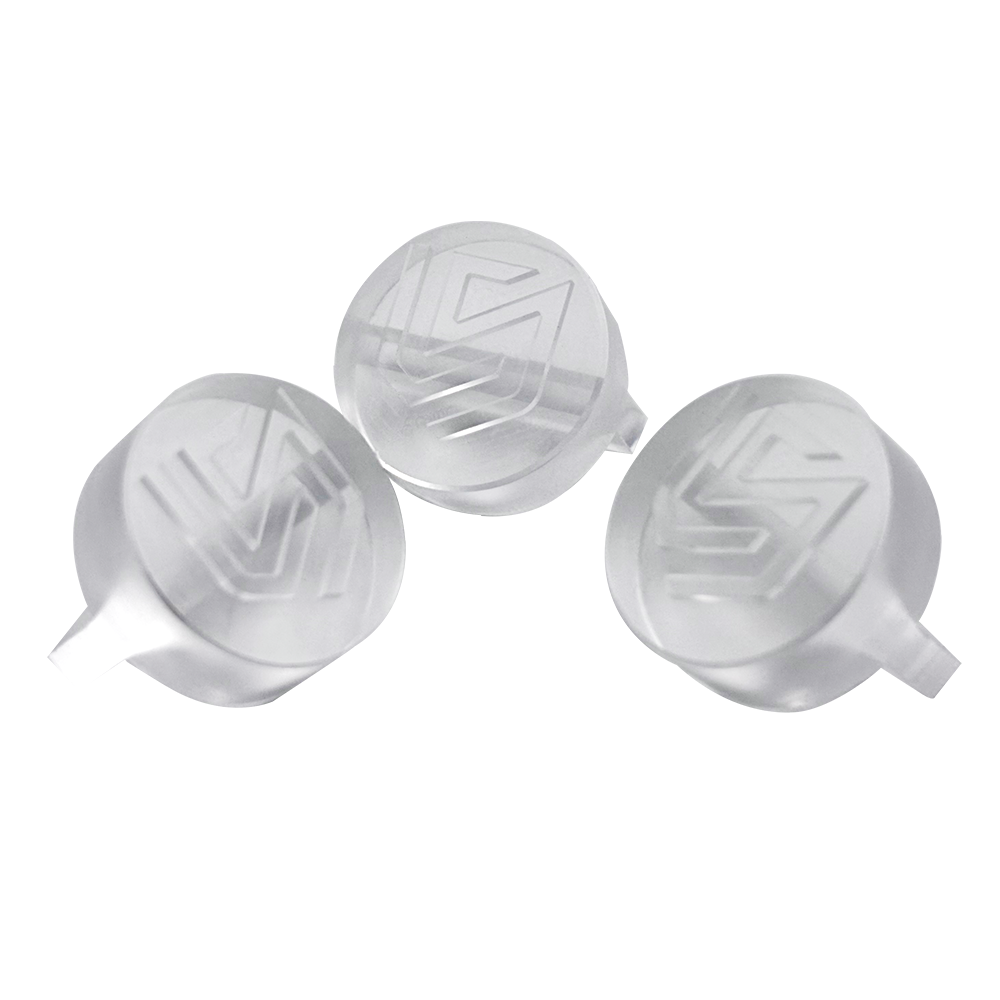
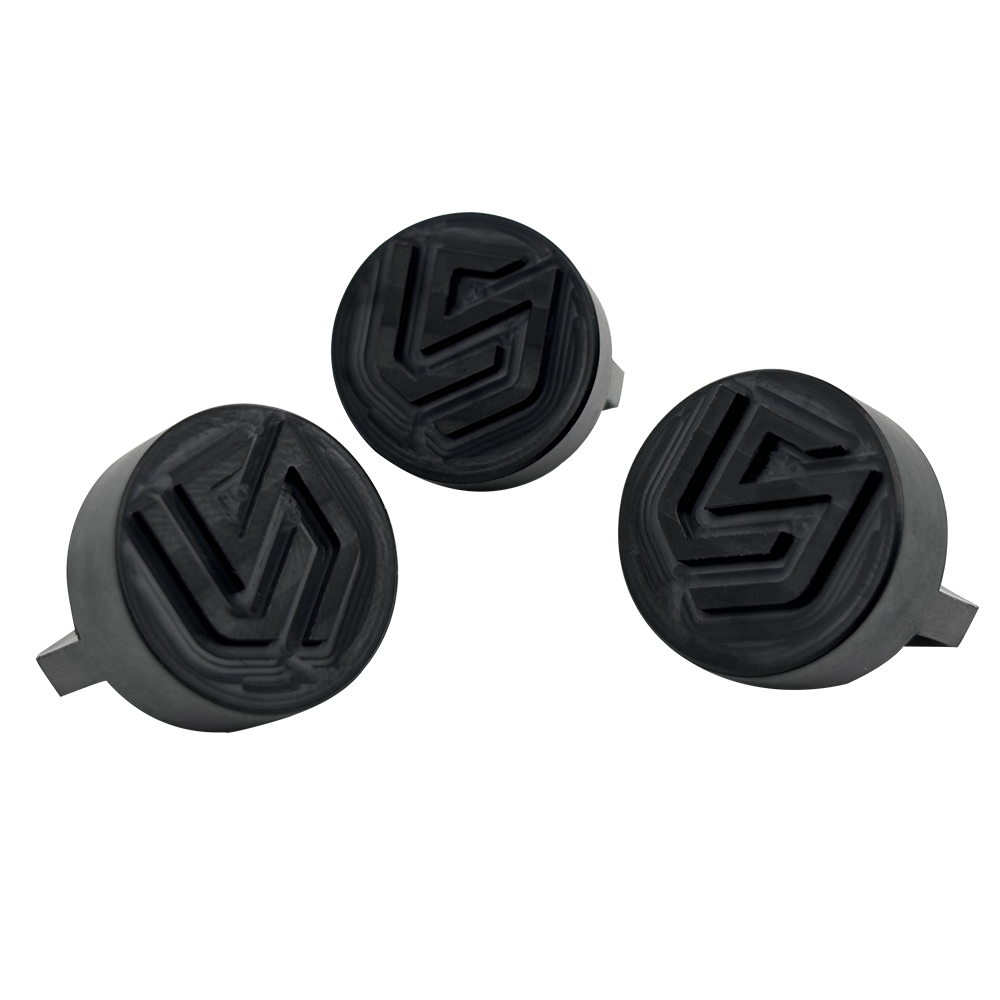
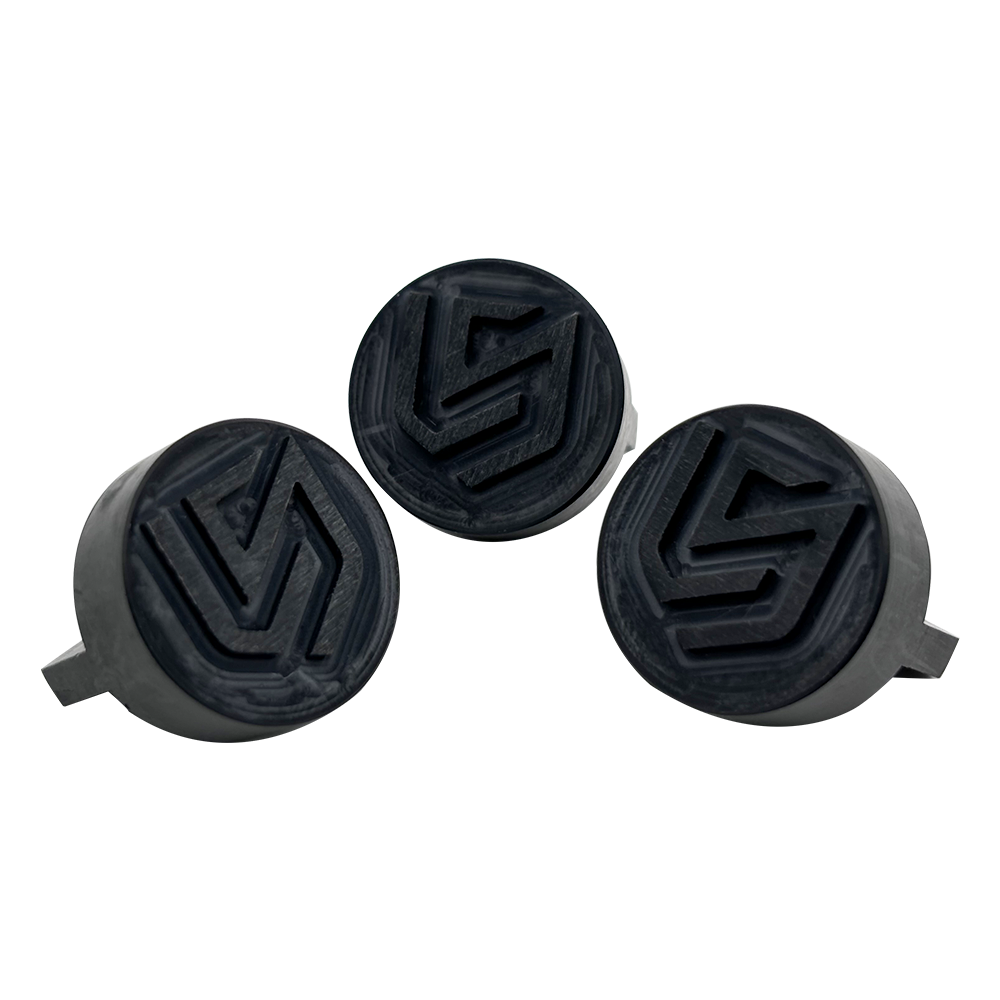
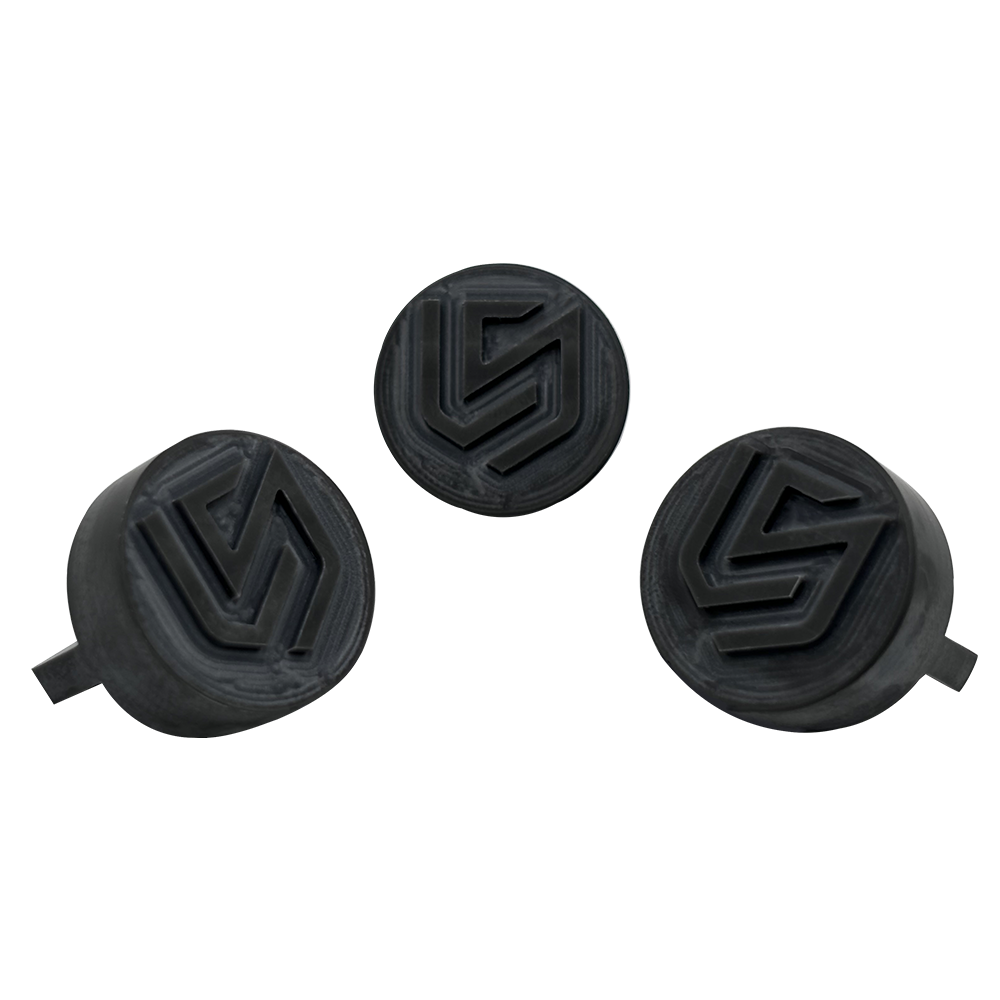
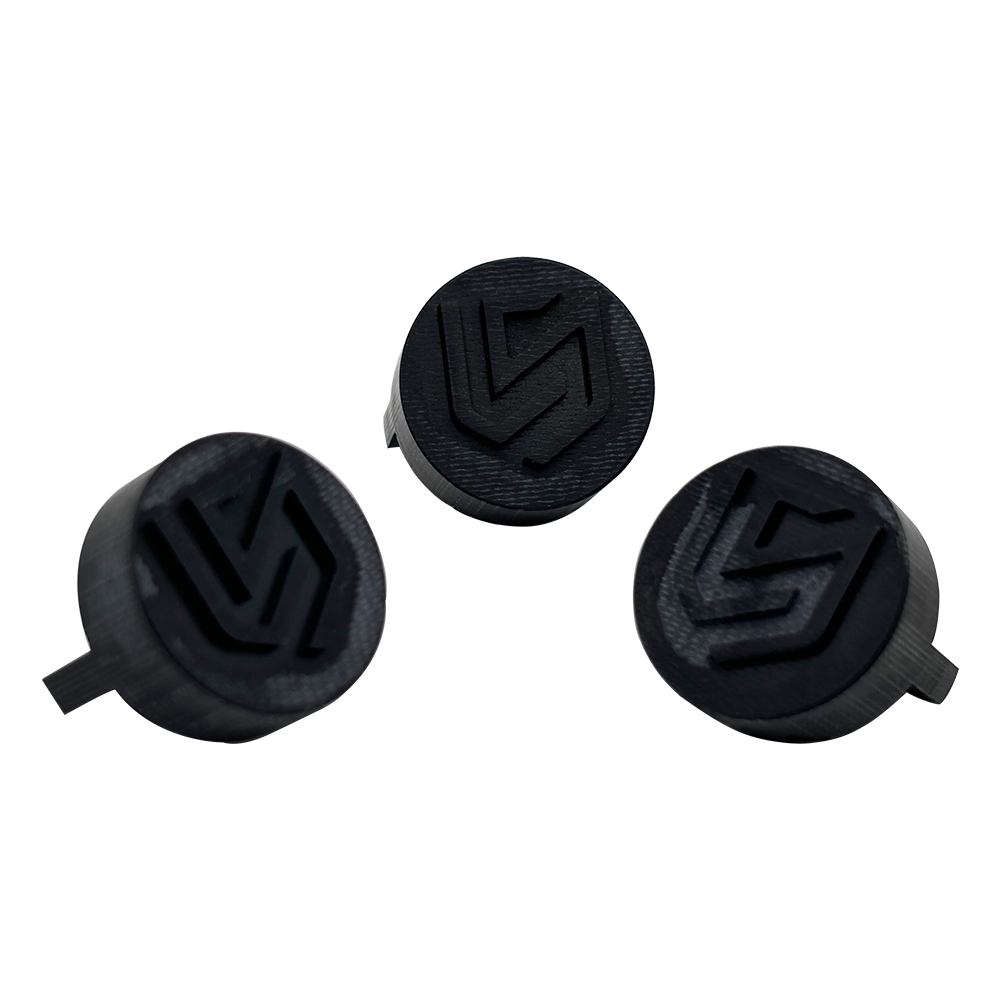
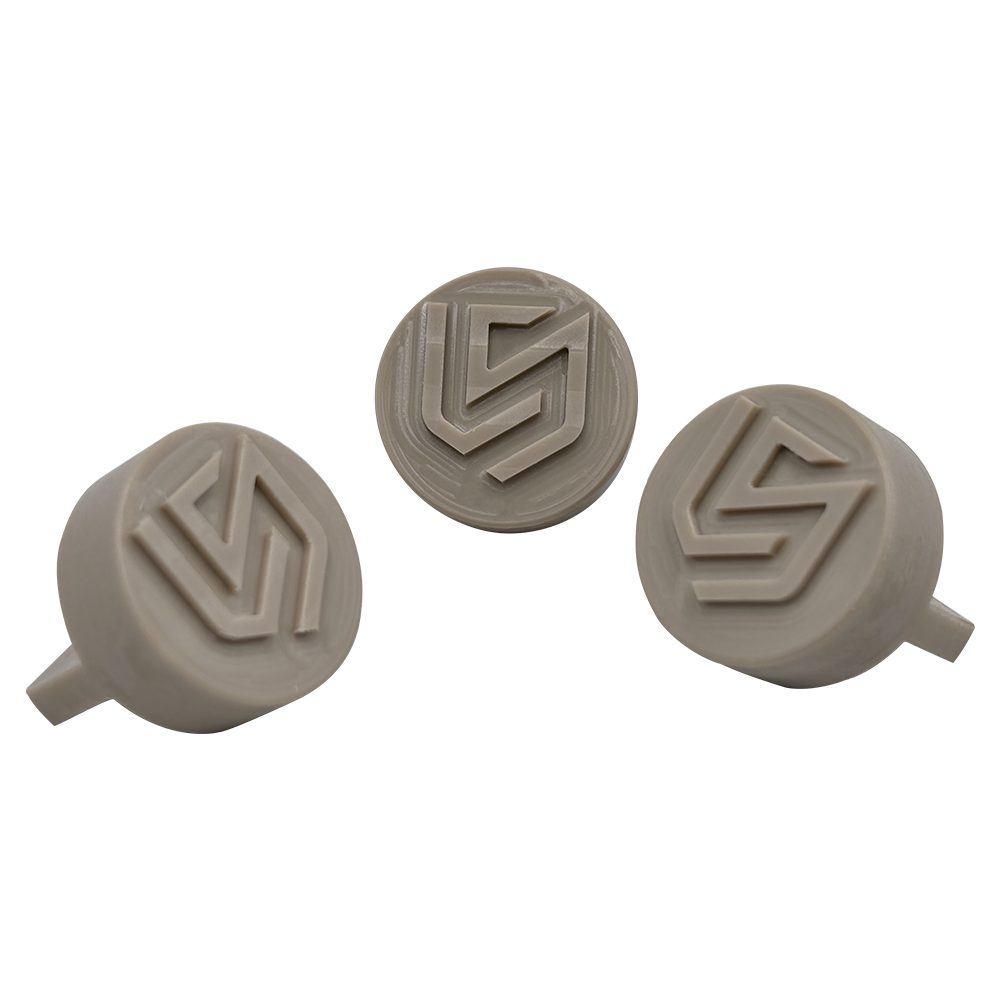
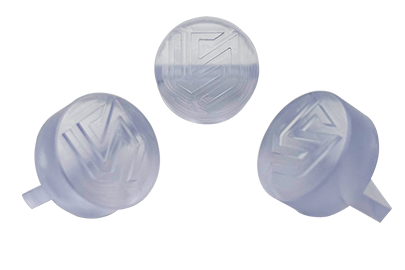
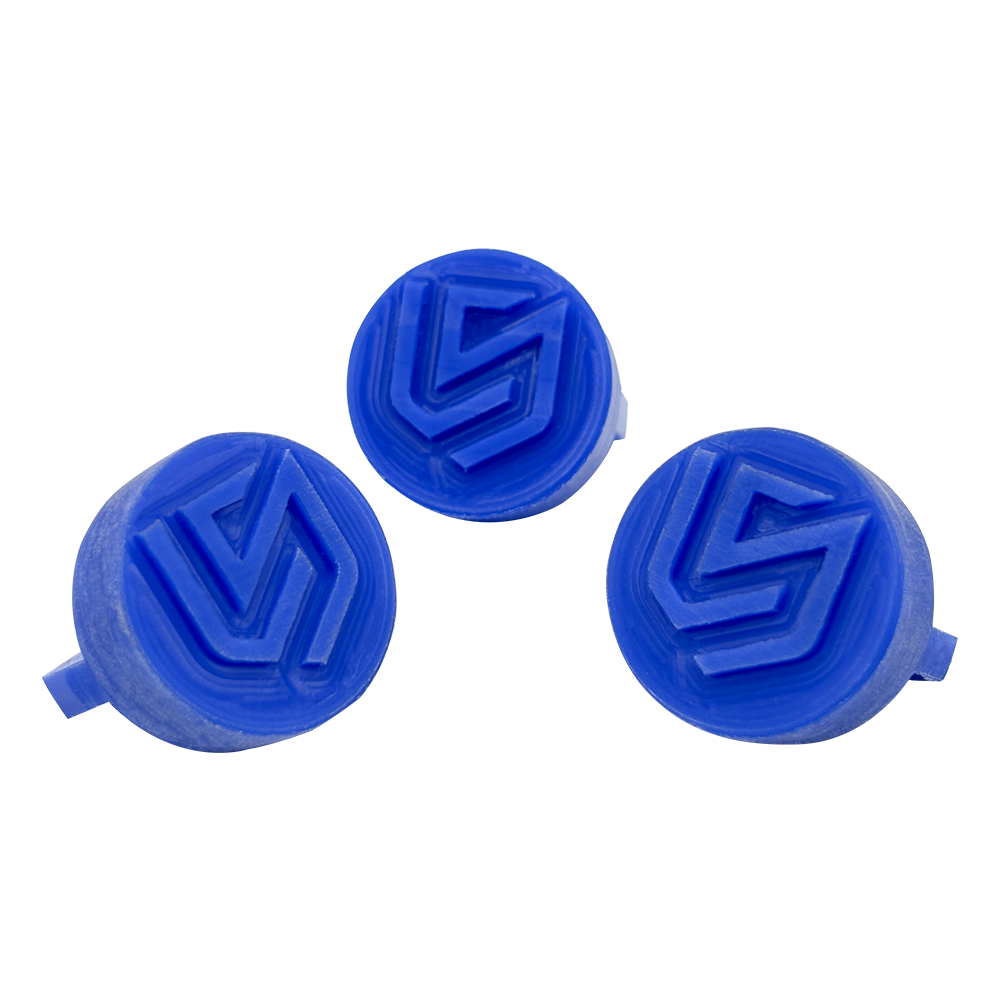
Example of anodizing parts

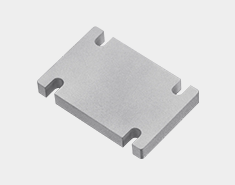
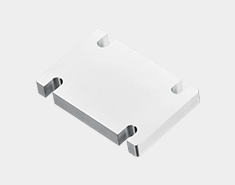
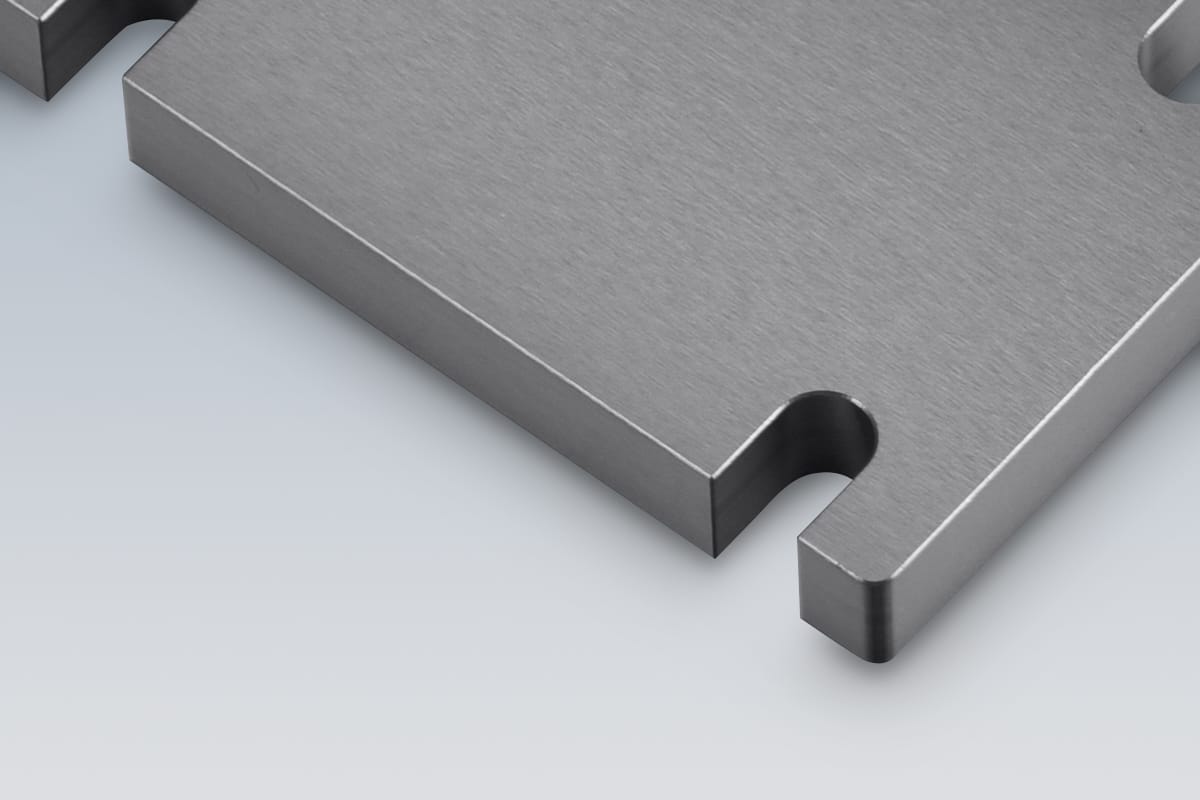
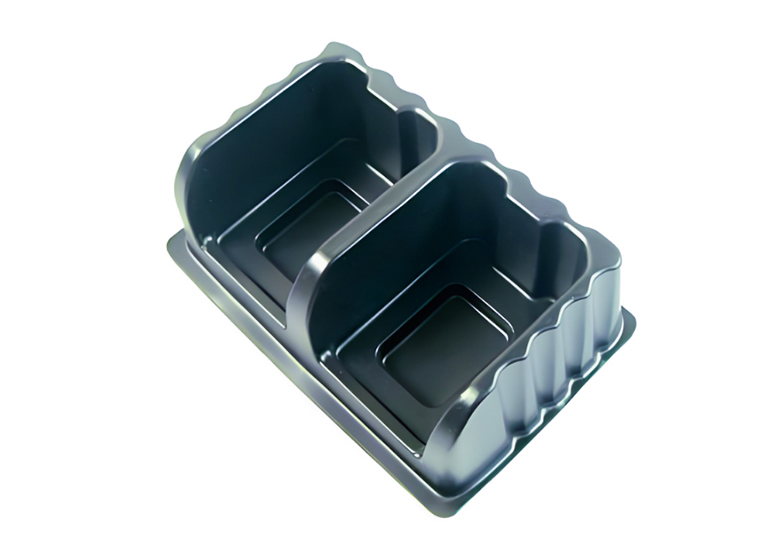
Hard anodized parts
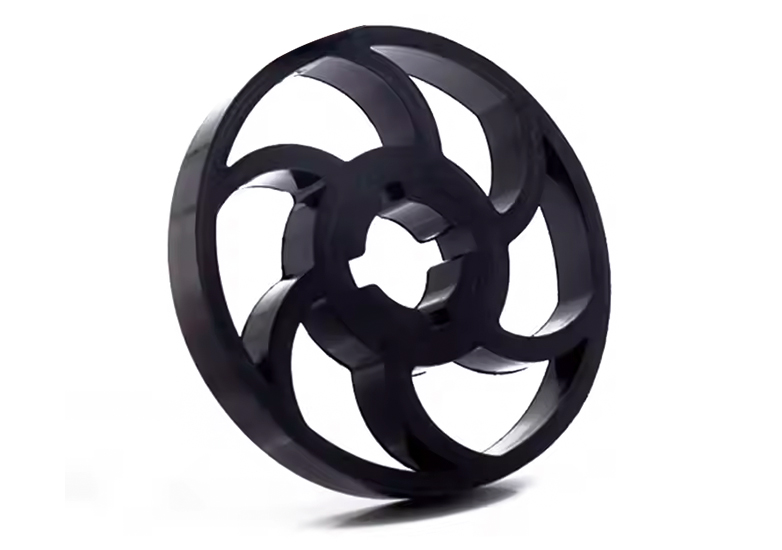
Detail drawing of hard anodized parts

about our Anodizing Services

We offer high-quality aluminum anodizing services, including Type II (decorative) and Type III (hardcoat) anodizing, suitable for a wide range of industrial applications. With advanced equipment and strict process control, we ensure each part delivers excellent corrosion resistance, wear performance, and a consistent finish. Color, coating thickness, and surface finish can all be customized to meet the performance and aesthetic needs of your specific project.

Material Selection

We offer a wide range of materials for Anodizing Services to meet the diverse needs of various industries. Our selection includes metals, plastics, and composites to ensure that your parts are manufactured with the best-suited material for your application. Below are some of the materials we commonly work with:

Metals

Plastics

We offer customization based on your specific material requirements. If you need a material not listed here, our team can source and process it to meet your exact needs.

These are just a few examples of the materials we work with. If you have a specific material requirement, please contact us to discuss your needs.

Surface Finishing for Anodizing Services

Our Anodizing Services options can be selected according to the needs of different projects to ensure that the turned parts meet the appearance and performance requirements.

Category Description Material Color Texture
Anodized aluminum parts Anodizing Anodizing is an electrochemical process used to enhance the corrosion resistance, appearance, and surface properties of metal parts, particularly aluminum. Aluminum, Metals Clear, black, grey, red, blue, gold Rough, smooth, metallic
Powder coated CNC parts Powder Coating Powder coating is a popular and environmentally friendly method of applying a protective and decorative finish to various types of metal and even some non-metal surfaces. Metals White, Black, RAL and Pantone Glossy, fine, hardness
High precision polished parts Polishing The primary goal of polishing is to create a smooth and reflective surface by removing imperfections, scratches, and irregularities. Metals Silver gray Bright, mirror, silk
Complex salt conversion coating parts Chromate Chromate, commonly known as a chemical thin film, is a conversion coating used as a corrosion inhibitor on aluminum. Aluminum Clear/ Slight yellow tint Satin
bead blasting aluminum parts Bead blasting Bead blasting, also known as abrasive blasting, is a surface preparation technique used to clean, finish, or texture a surface by forcibly propelling small, spherical abrasive materials, called "beads" or "media," at high speeds onto the surface being treated. Aluminum, copper, stainless steel, steel N/A Grainy, slightly matte texture
as precision machining parts As machining Machining is a subtractive manufacturing process in which a machine tool, typically a cutting tool, removes material from a workpiece to achieve the desired shape, dimensions, and surface finish. Metals N/A Smooth, glossy finish

Why Choose Our Anodizing Services

By choosing our precision anodizing services manufacturer, you will receive high-quality, customized parts, fast delivery, and competitive prices. We will cooperate with you to provide excellent sheet metal solutions for your project.

Quick quotation

Just upload your design file and configure the materials, finishing options, and requirements. Our engineers analyze your part geometry and provide real-time and competitive pricing as well as comprehensive DFM feedback.

Assured High Quality

We are a sheet metal fabrication factory certified by ISO 9001:2015 and can provide sheet metal component materials and full size inspection reports according to your requirements.

Reliable Delivery

From prototype design to efficient production, we deliver high-quality sheet metal parts within our standard delivery time of 3 days.

Readily available capacity

We have over 70 machines, and your sheet metal fabrication services can provide immediate and available production capacity.

Client's Reviews

Listen to our customers’ voices! We have received praise and satisfactory evaluations from many customers.

Put Your parts Into production Today

All information and uploads are secure and confidential.
Design Considerations For Anodized Parts

Increase the thickness of the part surface
Shelf marks
Conductivity
Rounding edges and corners
Surface roughness
Special fixtures

Increase the thickness of the part surface

Anodizing will form a layer of oxide on the surface of the metal part, which will increase the surface thickness. This may have an impact on the size and functionality of the parts, so it is recommended to block and cover threads, reams, or other critical surfaces before anodizing to ensure that their functionality is not affected.

Shelf marks

If the parts do not have holes, they may be hung on the conductive frame for anodizing treatment using spring clips, wire wrapping, or other methods. This may result in leaving small areas without oxidation treatment, known as “shelf marks”. If these areas have a significant impact on product performance, they need to be marked in the drawing to remind operators.

Conductivity

Anodizing will form an insulation layer, so the conductivity of the treated parts is poor. This needs to be considered in design and engineering to ensure that the electrical connections of the parts are not disturbed.

Rounding edges and corners

To prevent local overheating and burning caused by current concentration, all sharp corners on the workpiece should be rounded off. This can improve the uniformity and efficiency of the processing process.

Surface roughness

After hard anodizing treatment, the surface roughness may decrease, making the parts smoother. But if the workpiece already has a very smooth surface, it may lose some smoothness.

Special fixtures

Due to the high voltage and current required for hard anodizing, special fixtures must be designed to ensure good conductive contact of the workpiece. Otherwise, breakdown or burning of the contact part of the workpiece may occur, thereby affecting the treatment effect.

Precision Manufacturing Capabilities

Download Our Brochure to Get a Full
Overview of Our Manufacturing Capabilities

Access our technical documentation, covering all core processes, tolerance standards, material options, and industry case studies, to help you quickly evaluate project feasibility.

What's in the manual?

·High-definition product images and 3D cross-sections.
·Detailed process capabilities and tolerance standards, e.g., 5-axis CNC accuracy, injection mold lifespan.
·Comprehensive material options and surface finishes, e.g., titanium, PEEK, anodizing, sandblasting.
·Quality system certifications (ISO 9001) and industry case studies.
·A complete guide to our process from rapid prototyping to mass production.

Lead Capture Form

Simply enter your email to get the download link instantly

We respect your privacy and will not use your information for other purposes.
FAQ

What types of anodizing processes do you offer?

 We provide several anodizing options including Type II (standard) and Type III (hardcoat) anodizing to meet different durability and appearance needs.

 Primarily aluminum and its alloys, but certain other metals like titanium can also be anodized depending on project requirements.

 Yes, anodizing significantly enhances corrosion resistance by forming a thick oxide layer on the metal surface.

Yes, anodized parts can be dyed in a variety of colors such as black, gold, blue, red, and custom shades.

 Coating thickness generally ranges from 5 to 25 microns for Type II anodizing and up to 100 microns for hardcoat anodizing.

 Hardcoat anodizing provides excellent wear resistance, making it suitable for applications requiring high durability.

 Minor machining or finishing can be done post-anodizing, but it may affect the protective oxide layer.

We perform coating thickness tests, adhesion tests, and visual inspections to ensure compliance with specifications.

 Parts must be clean, free from oils, dirt, and machining residues. We recommend degreasing and pre-treatment to ensure quality anodizing.

 Lead times vary based on order size and complexity but usually range from 1to 15 business days. Expedited options may be available.

News & Blog​

Deep understanding of industry knowledge and real-time updates at any time.

DFM principles in precision machining practice by LS Manufacturing

Design for Manufacturing (DFM): Principles, Process, and Application Explained
Design for Manufacturing (DFM) is an engineering methodology that systematically considers manufacturing feasibility from the early stages of product design. Through core principles such as ...
Showcasing professional CNC turning service capabilities by LS Manufacturing

CNC Turning Parts:Everything You Need to Know| LS Manufacturing
Precision CNC turning technology integrates digital control with advanced processes to achieve micron-level tolerances and high surface quality. It has core advantages such as high ...
CNC machining materials and arts comprehensive showcase by LS Manufacturing

CNC Machining: The Ultimate Guide to Processes, Materials, and Applications
Today we will explore the cutting characteristics of different metal materials and their applications in CNC machining. For those of you who enjoy machining, this ...
parts of a plasma cutter

What Are The Parts Of A Plasma Cutter Gun?
Every component of a plasma cutting gun is crucial. As a core consumable, its manufacturing accuracy directly determines the finish, verticality and economic benefits of ...
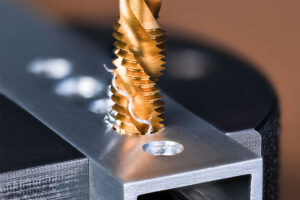
What Are Taps In Machining?

What Are Taps In Machining?

Taps are the essential tools for creating reliable threaded connections in machining and are much more complex than their everyday names suggest. The correct choice ...
5 Key Factors Affecting CNC Machining Prices

How to Cost a Xiaomi YU7 Auto Part?

Producing the CNC components of Xiaomi YU7 is not a one-number expense, but an equation that can be optimized through talent and smart design. Having ...
Key Differences: One Table Shows The Trade-off Between Cost, Speed And Accuracy

What Is The Difference Between Sheet Metal And Machining?

Sheet metal fabrication and CNC machining are not mutually exclusive, but indispensable complementary processes in modern manufacturing. Accurately grasping the core geometric features of your ...
Countersink Drill Bit

Is A Countersink 82 Or 90 Degrees?

The debate over 82-degree and 90-degree countersunk holes is not simply a matter of angles, but a watershed between global manufacturing standards (such as ISO ...

Put your parts into production today

Scroll to Top

Get Free Quote

Direct Mail: info@longshengmfg.com