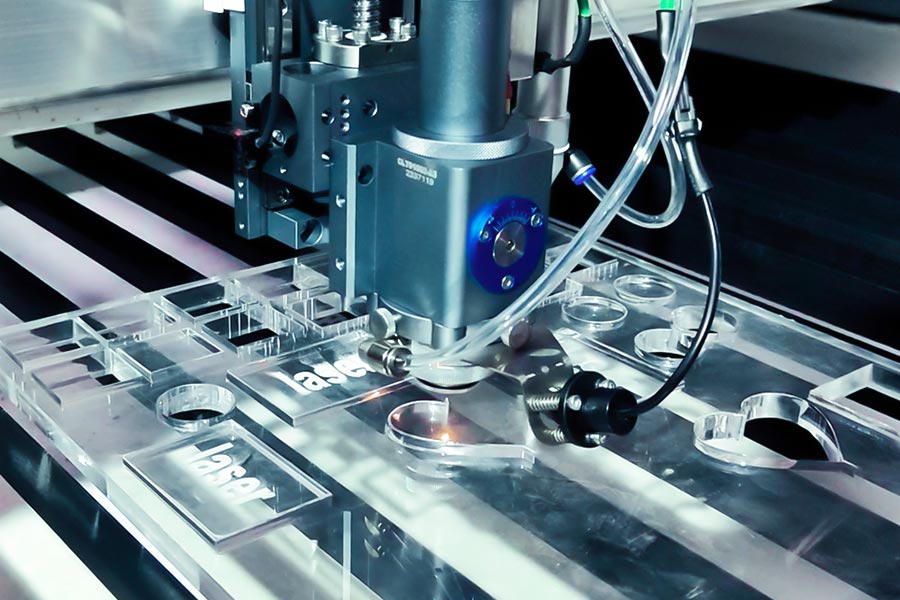
How strong of a laser to cut acrylic?
Acrylic is […]
How strong of a laser to cut acrylic? Read More »
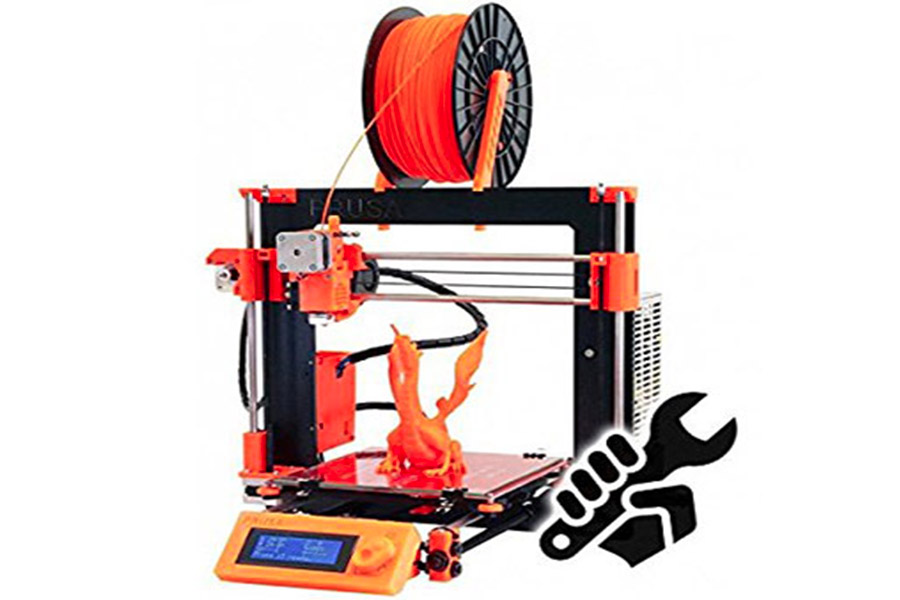
Automatic leveling technology has greatly improved the reliability and efficiency of 3D printing, which is especially important for beginners and mass production. It ensures perfect first-layer adhesion by compensating for uneven bed surfaces in real time, reducing printing
How important is auto-leveling on a 3D printer? Read More »
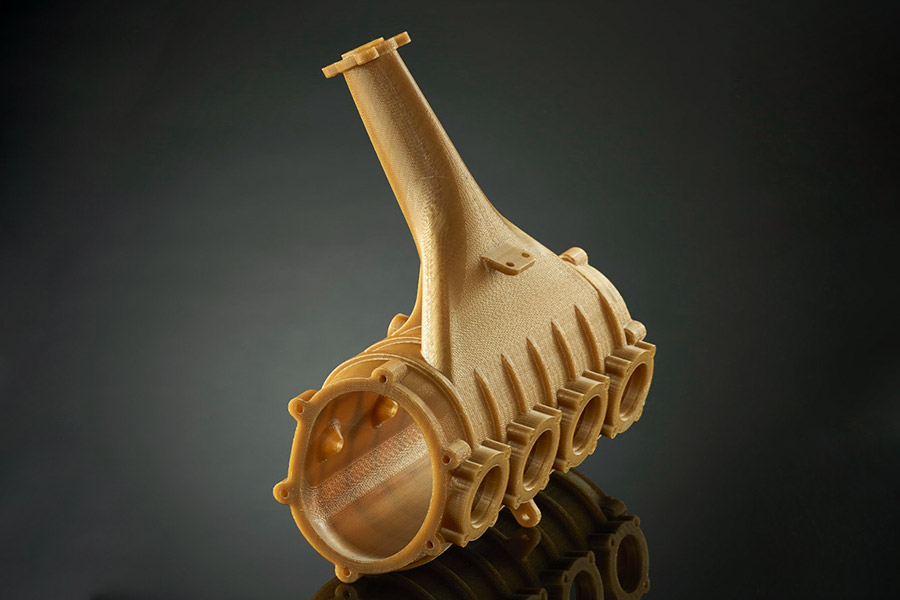
Polyetherimide (PEI) filament is not only a viable option for 3D printing, but also a revolutionary material for high-performance industrial manufacturing. Through high-temperature printers (nozzle>350°C, hot bed>150°C) with closed chambers and negative pressure exhaust systems
Can Polyetherimide Filament Be 3d Printing? Read More »
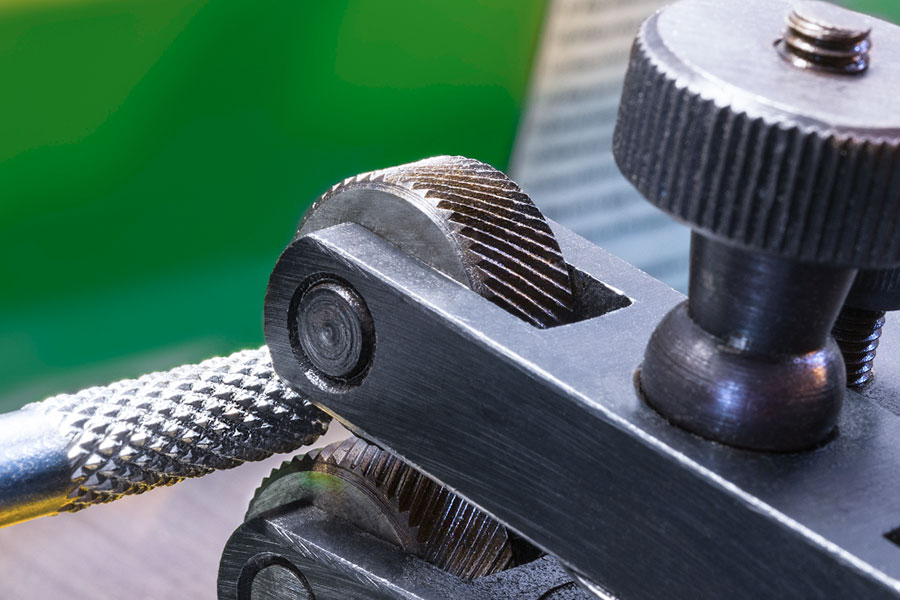
The core purpose of knurling is to permanently change the surface characteristics of the workpiece through mechanical deformation without adding any additional materials, which not only enhances the friction (friction coefficient can be increased by 300%-500%), but also achieves anti-slip function.
What is the purpose of knurling? Read More »
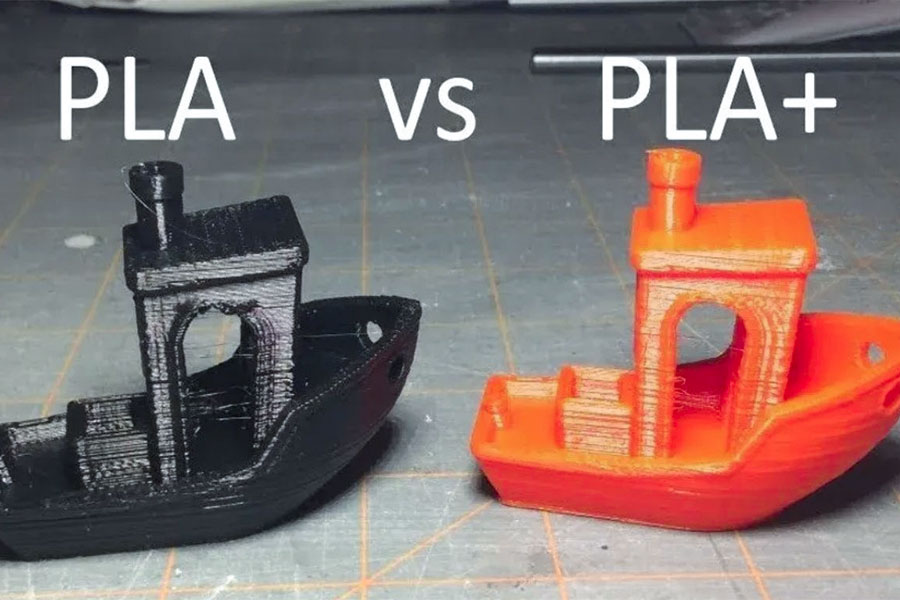
The choice between PLA and PLA+ is not a simple “upgrade or not”, but a precise trade-off based on the application scenario. PLA is still an ideal choice for low-intensity scenarios such as education and decorative models due to its low cost, ease of use and environmental protection;
PLA vs. PLA+: Differences and Comparisons Read More »
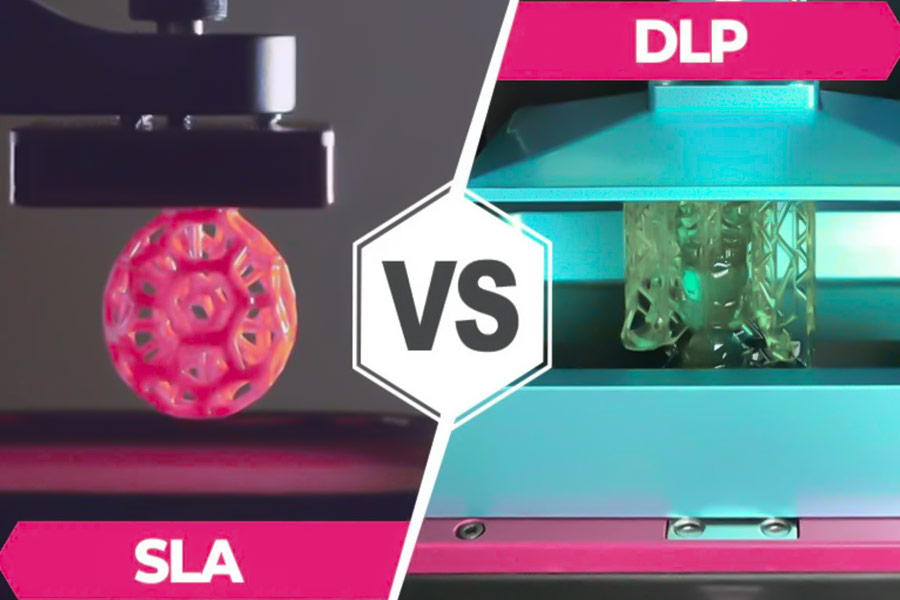
The essential difference between DLP (digital light processing) and SLA (stereolithography) stems from the technical principle: DLP uses a projector to solidify the resin in a whole layer, which is fast and low-cost, and is suitable for mass production of small and medium-sized parts (such as invisible braces); while SLA relies on laser point-by-point scanning,
What is the difference between SLA and DLP? Read More »
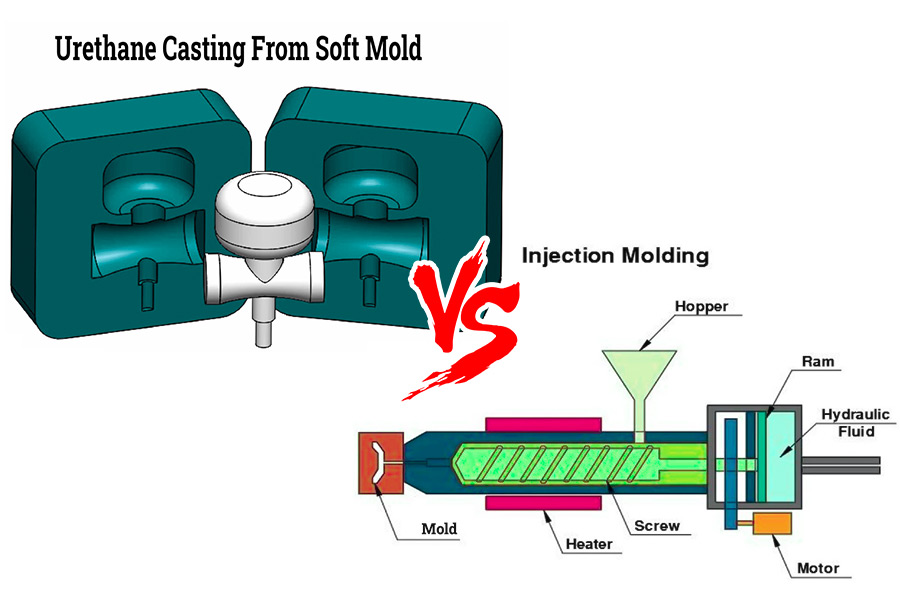
The core difference between urethane casting and injection molding lies in material properties, production efficiency and precision level. Urethane casting uses room temperature curing resin, which is fast and low cost (especially for small batches), but is limited by strength (≤80 MPa) and precision (±0.3 mm), and is suitable for flexible, low-load short-term parts (such as cushions,
What is the difference between urethane casting and injection molding? Read More »
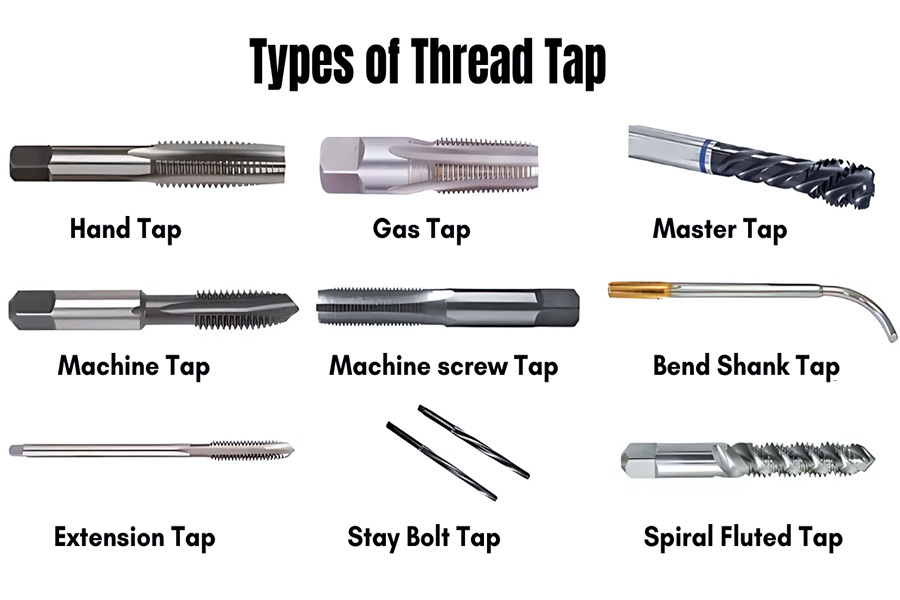
Choosing the right thread tap requires comprehensive consideration of four key factors: processing materials, hole characteristics, production batch and precision requirements. For hard materials such as steel, cobalt-containing high-speed steel or coated taps should be used.
Types of Thread Taps: How to Choose the Right One? Read More »

The core causes of frequent groundings of jet aircraft are the thermal decay effect of brake discs and hydraulic hysteresis of retraction actuators: Emirates Boeing 777 failed due to delamination of carbon fiber brake discs at 1200℃ (NTSB report AAR-24/01), exposing the thermal resistance limit of traditional materials; Airbus A320neo fleet caused a 300% surge in the risk of landing
What Grounds Jets? Brake Discs & Retraction Actuators Under Fire Read More »
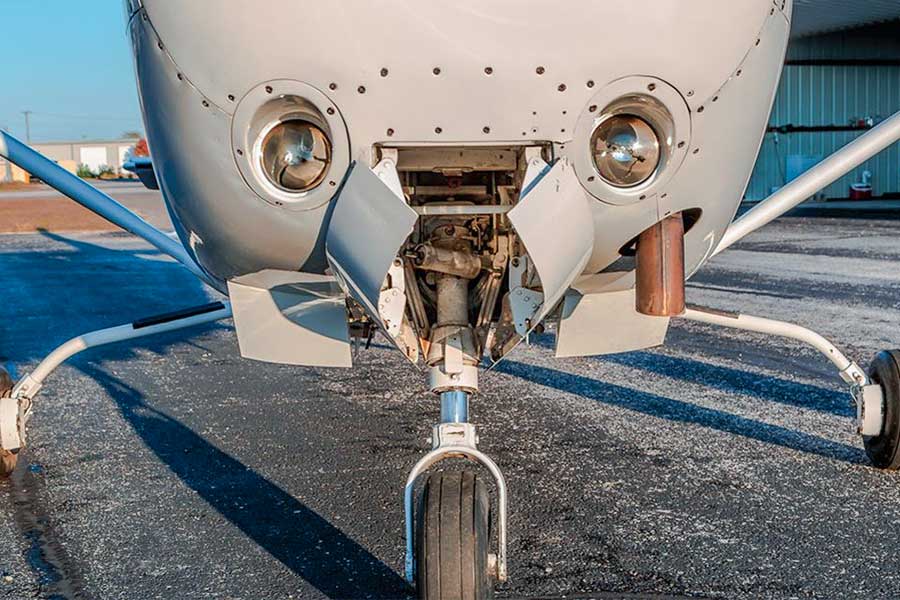
As the core load-bearing components for aircraft take-off and landing, the reliability of landing gear struts and axles is directly related to flight safety. Key control factors include: material metallurgical quality (must comply with AMS 6414 ultra-high strength steel standards),
Landing Gear Struts & Wheel Axles: 7 Critical Factors for Aircraft Safety Read More »
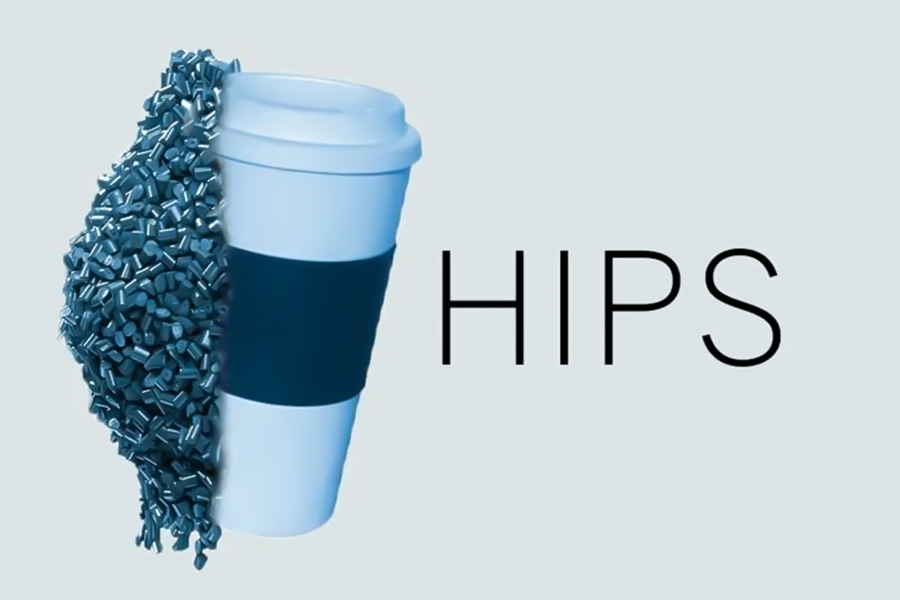
HIPS (High Impact Polystyrene) is an engineering plastic optimized for 3D printing that combines high strength, impact resistance, and soluble support properties. It is suitable for dual-printhead printing, often used as a support material with ABS, and can be easily dissolved with limonene solvent,
What is HIPS 3D printer filament? Read More »