We usually apply the terms “resin” and “plastic” interchangeably in our day-to-day use, and individuals even get confused that resin is some form of plastic. However, resin is actually a wider category of raw materials of natural or synthetic polymers, while plastic is pre-manufactured material derived from resin that has been processed and modified. This misunderstanding comes about because there is doubt regarding the fundamental relationships in the materials science.
The purpose of this article is to examine the five fundamental differences between plastic and resin in chemical structure, performance properties, and industrial applications. This will allow you to break away from common misconceptions and observe the fundamental differences in the world of materials. To save you time, here’s a quick overview of the core conclusions.
Resin vs. Plastic Core Comparison Quick Reference
| Comparison Dimensions | Resin | Plastic |
| Source | Base polymers that occur naturally (such as rosin and amber) or are synthetically synthesized. | Man-made materials with synthetic resin as the primary component and additives (such as plasticizers, stabilizers, and colorants). |
| Chemical Structure | Typically, unprocessed, pure polymers with a relatively simple molecular chain structure. | Plastics are composite systems composed of a resin matrix and various additives, resulting in a more complex structure. |
| Processing Methods | Resins are primarily synthesized through polymerization reactions (such as polymerization and polycondensation) and are available in liquid, granular, or powder forms. | They are primarily manufactured into finished products through molding processes (such as injection molding, extrusion, and blow molding). |
| Performance Characteristics | They have single and unstable properties, are typically brittle or viscous, and cannot be used directly as end-use materials. | Properties can be designed and diversified (such as reinforcement, toughening, and weather resistance), resulting in excellent moldability and practicality. |
| Environmental Properties | Some natural resins are biodegradable; synthetic resins are a source of microplastic pollution. | They are difficult to degrade and complex to recycle; however, their recyclability is key to environmental protection. |
The two represent the raw materials-end product absolute relationship:
- Resin is essentially the “raw material”: the central polymer which makes up plastic. Its properties have not been modified and possibly cannot be used directly.
- Plastic is indeed the “end product”: ultimate product following resin modification and manufacturing, and possesses functional purposes.
Why Trust This Guide? Practical Experience From LS Experts
The guide benefits from over a decade of professional R&D experience from the LS Precision Materials team. Our specialists are deeply engaged in the field of polymer materials. We not only possess advanced synthesis and modification facilities, but have large technical capability to supply high-end tailor-made material solutions to the automotive, electronics, and medical industries.
LS Precision‘s understanding of plastics and resins from molecular structure right through to macroscopic performance is based on careful scientific analysis and extensive database of industrial uses.
LS Precision experience in selecting materials has been greatly tested. For example, when we were designing surgical-grade guide materials for a major orthopedic device manufacturer, we precisely established the essential differences between medical-grade photosensitive resins and common engineering plastics.
Through customized adjustment, the resulting material satisfied all clinical requirements for biocompatibility, sterilization stability, and mechanical precision. The material has been utilized to finish tens of thousands of operations, which speaks volumes about our abilities.
What Exactly Is resin? How Is It Fundamentally Related To Plastic?
We normally get to hear the words “plastic” and “resin” in our everyday life, and many people even confuse them. Below, I shall give a deeper understanding and explanation of how the two are different.
1. What is resin?
Resin is a class of natural or synthetic polymers whose molecules are composed of numerous repeating segments chemically connected in a chain or network. The unique structure gives resins their inherent properties—plasticity, viscosity, and flow or solidification under certain conditions.
2. Is resin a plastic?
The answer is no, but the two are inseparable. Resin is essentially the “raw material” or “matrix” from which plastics are made up, including the fundamental framework of the plastic.
Plastic, on the other hand, is a resin kind of material that has been created with the addition of processing aids such as plasticizers, stabilizers, and fillers and then undergoing molding processes such as heat and pressurization to create a product that has utilitarian characteristics.
For example, polypropylene (PP) is a man-made resin but when compounded with antioxidants and masterbatches and injection molded becomes the car bumper or water cup we carry around daily.
Thus, resin is the “soul” of plastic, establishing the material’s fundamental performance profile; additives and processing give it its final form and function, a fully usable “plastic.”
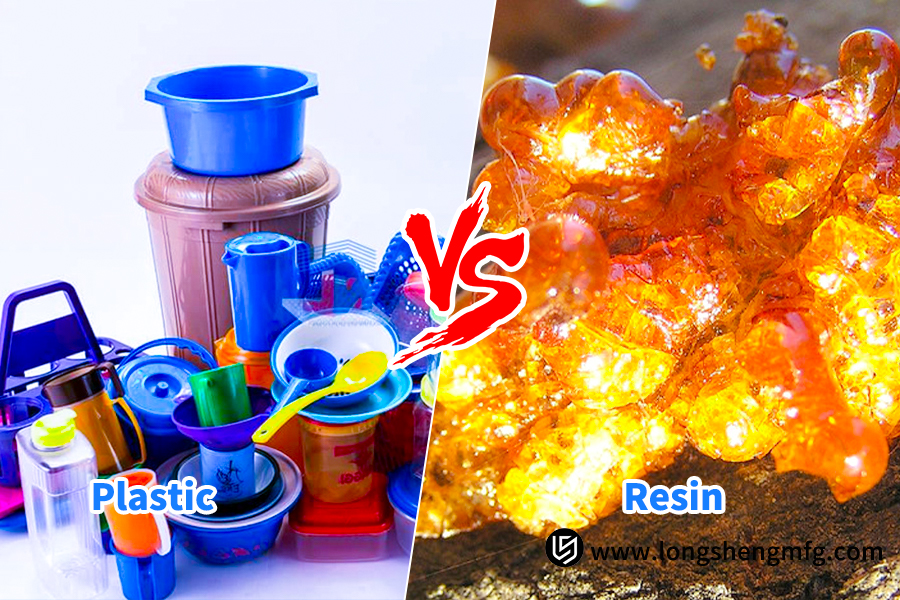
Vastly Different Sources: The Fundamental Difference Between Natural and Synthetic
To understand the difference between plastics and resins, we have to follow their origins first. What are resins made up of? The answer is not unique because they can be made from two basically different origins: natural and synthetic.
1. Natural resins:
Natural resins, being plant secretions such as pine resin or peach gum, are natural organic substances that develop over millions of years. They are typically plastic and sticky, but not produced in bulk and not done in a stable way.
2. Synthetic resins:
Synthetic resins, the hallmark of modern-day industry, form the pillar of the plastics industry. What are synthetic resins composed of? The answer here is petrochemicals.
Monomers such as ethylene and propylene are extracted from crude oil and undergo complex catalytic polymerization reactions in plants to form a wide family of synthetic resins such as polyethylene (PE) and polypropylene (PP). These resins are then pelletized and act as the blocks for the next process.
By incorporating various additives (such as plasticizers and stabilizers) into the resin, and subsequent molding processes such as heat, injection molding, and extrusion, innumerable forms of plastic products with distinct performances are ultimately produced.
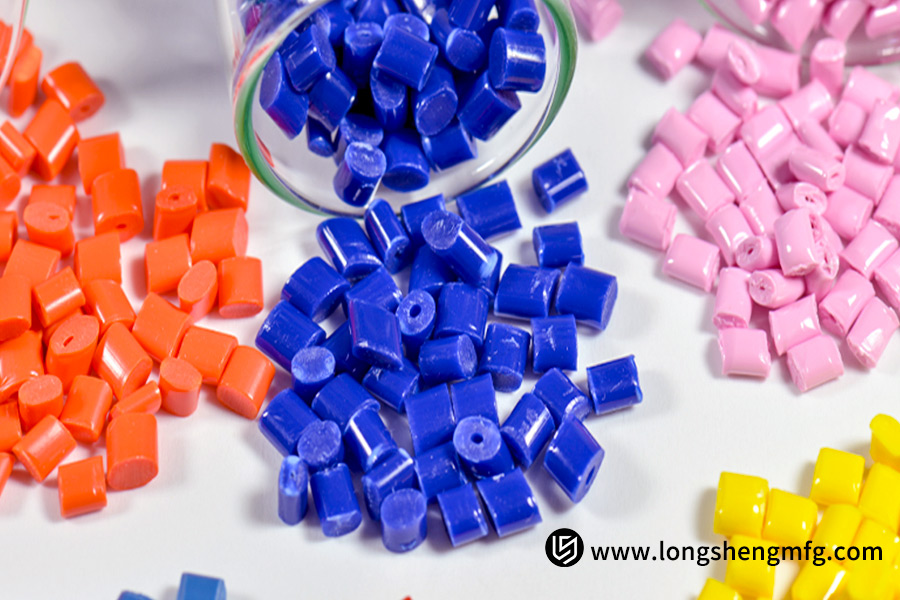
How Do Differences In Molecular Structure Affect Material Properties?
The variation in plastics and resin performance ultimately boils down to variation at the molecular level. It is these tiny structures unseen with the naked eye that ultimately result in a material being tough or brittle, heat-resistant or easily melted.
1. Molecular chain structure:
Chain structure of the molecule is the performance keystone. Regular simple molecular chain structure exists in pure synthetic resins such as polyethylene, resulting in weak interchain forces, which result in soft texture and low melting point.
Plastic products, nonetheless, are synthesized by adding additives such as crosslinkers to form “chemical bridges” (crosslinks) between resin molecular chains, turning linear, freely sliding molecular chains into a three-dimensional network.
Such a structure greatly enhances the material’s strength, hardness, and heat resistance. The hardening of epoxy resin, for example, from an uncured liquid state to a hard solid is a typical result of a crosslinking reaction.
2. Crystallinity:
Crystallinity is significant. Some resin molecular chains are orderly and therefore can pack closely and in a regular manner, to form crystalline domais. Higher crystallinity increases a material’s density, strength, stiffness, and chemical resistance (e.g., polypropylene (PP)), but toughness decreases.
Additives and process conditions may control crystallinity precisely, and thus tailor-made plastics with varying characteristics are achievable, e.g., bumpers requiring high impact and gears requiring high rigidity.
3. Molecular weight and distribution:
Molecular weight and its distribution control processability and strength. Molecular weight is not an average value, but a distribution. Higher molecular weight and narrower distributed resins tend to have better mechanical properties in the end product but also have poor flowability and increased processing difficulty.
In manufacturing plastics, the selection of a resin of a specific molecular weight and adding substances such as lubricants can maximize the preservation of better mechanical properties with maximum moldability.
- The role of resin: The resin provides the basic molecular chain, setting the upper limit and native performance. Plastic processing change (addition of additives and control of processing) is the “final touch” of this molecular design.
- Processing modification of plastics: By modulation of crystallinity, incorporation of crosslinking, and reduction of molecular weight distribution, the latent properties of the resin are released and transformed to the sought-after useful properties.
The plasticization of resin to plastic is a precise embodiment of molecular design and macroscopic properties.
Processing Technology: The Transformation From Raw Materials To Finished Products
The basic distinction between resin and plastic is best satisfied in their processing technology. It not only changes the morphology but is a critical stage where the internal structure of material and final properties see a basic transformation.
1. Resin raw material processing methods:
Production of resin is dominated by polymerization reaction. It is a chemical transformation, such as the conversion of ethylene monomer to polyethylene resin through addition polymerization or polyester resin through condensation polymerization. The nature of this stage is the creation of molecular chains, which create pellets or powders of raw materials with a clearly defined chemical structure.
2.Plastic product molding processes:
Physical shaping techniques are applied in the molding of plastic products. After the blending of the resin pellets with other additives is complete, they are melted and extruded under heat and pressure through processing technologies like injection molding, blow molding, and extrusion, and pack the mold cavity. They are cooled afterwards to set the shape.
Such a process experiences the most severe physical transformation:
- Molecular chain structures order themselves under imposed stresses in an attempt to form a new crystalline phase;
- Crosslinkers embedded in the material can cause the formation of a three-dimensional network between chains of molecules;
- Reinforcing fibers and fillers form a composite interfacial structure with the resin matrix.
It is just this processing-induced structural change that results in the qualitative increase in material performance:
- Its inherent thermoplastic character is transformed to a permanent one for the product;
- Matrix toughness is added by including reinforcement into the matrix;
- By controlling process parameters accurately, base resin is finally transformed into high-performance plastic product.
Processing of the resin is a chemical process for shaping molecular chains, whereas plastic molding is a physical process for restructuring the material form.
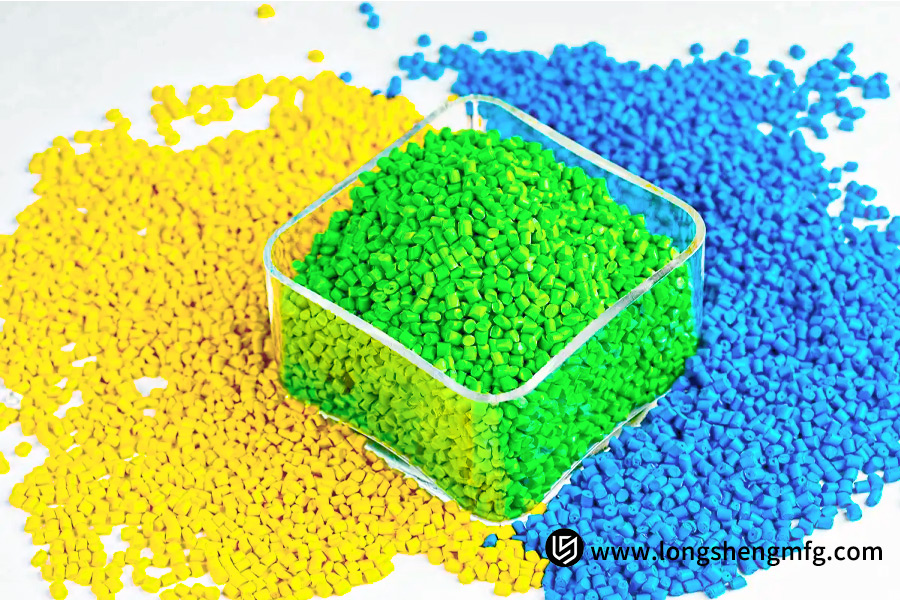
Performance Characteristics: Which Material Best Suits Your Needs?
The best thing to observe in the difference between resins and plastics is to observe that there are gigantic differences in their performance specifications. What follows is a structured comparison on different parameters to allow you to make a well-informed decision based on your needs:
| Performance Dimensions | Resin | Plastic |
| Mechanical Strength | Low, normally brittle or soft, with low mechanical properties. | May be significantly improved with additives, e.g., glass fiber reinforcement, to be extremely strong and tough. |
| Heat Resistance | Poor, with low heat distortion temperature, likely to soften or degrade when heated. | May be greatly improved with heat stabilizers, allowing greater resistance to heat. |
| Chemical Resistance | Average, can be attacked by certain solvents or chemicals. | Can be tailored to a specific chemical environment, providing enhanced resistance and stability. |
| Transparency | Some resins are inherently transparent (e.g., PC and PMMA resins). | Through process control and optimization of additives, individualization from high transparency to any color is possible. |
Choice Recommendations:
- If you need a material to undergo secondary processing (e.g., casting, coating, or compounding), use a resin.
- If you require a completed product with specific characteristics (such as a sturdy gear, transparent lens, or durable tube), use a plastic material that has been modified to your requirement.
Resins provide the “formal framework” of performance and plastics provide “accurate customization” of performance through modification.
The key to understanding the difference between plastics and resins is to be aware of whether you need a “raw material” or a “completed good,” so that you can choose the best one in response to your real mechanical, thermal, chemical, and optical needs.
Environmental Performance: Choices From A Sustainable Development Perspective
With sustainable development becoming increasingly important, it’s crucial to examine the environmental performance of resins and plastics. Significant differences exist between the two, directly impacting our material selection.
Renewability
Natural resins (such as rosin and amber) are renewable resources and secretions of plants from a renewability perspective. The majority of synthetic resins, however, are made from non-renewable petroleum-based materials, and their production is also associated with carbon emission and pollution of the environment. Plastics as resin products also inherit this non-renewable nature with them.
Degradability
From the point of view of biodegradability, natural resins are generally biodegradable and will eventually return to nature. Plastics and synthetic resins are highly challenged by degradation: usual plastics will only degrade after hundreds of years, and the process also releases microplastics, which in turn do long-lasting harm to ecosystems.
Recycling
Environmental performance is measured through recycling as a key indicator. Resins are very difficult to recycle as raw materials. Plastic products’ recyclability is complex, but comparatively well-established recycling is available.
Through physical recycling (melting regranulation) and chemical recycling (depolymerization into monomers), plastics can be recycled partially and reduce reliance on virgin material.
With ever-stricter environmental regulations in a scenario, wise choices are:
- Shelving bioplastics from bio-based resins to reduce reliance on petroleum resources;
- Using biodegradable plastic products, especially for single use;
- Using recycled plastics and promoting their use to assist in creating a circular economy;
- Choosing the most appropriate material based on actual requirements in not to waste resources due to over-performance.
The future of material development is to move toward more biodegradable plastics and optimize plastic recycling rates, finding the optimum balance between material performance and environmental sustainability by technological means.
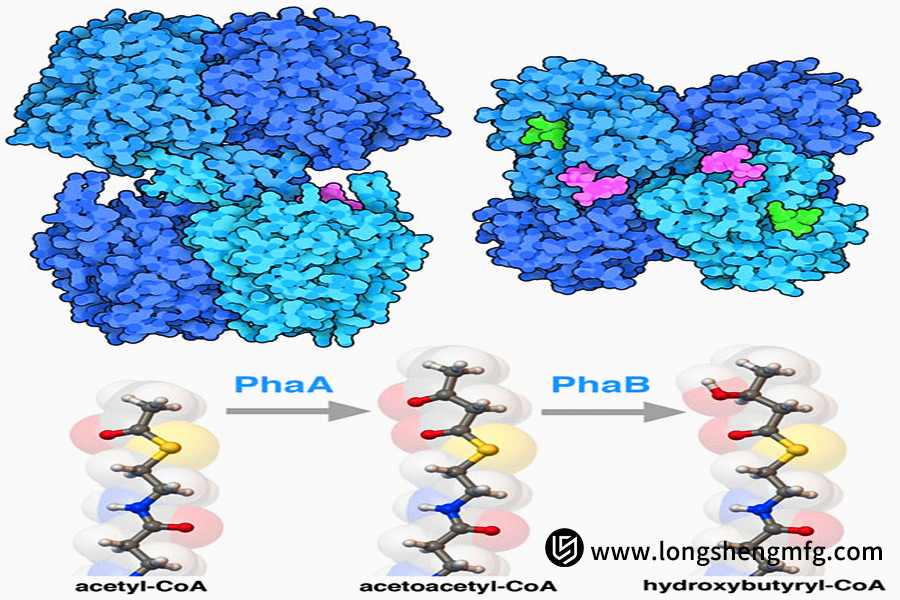
LS Case Study: How To Select The Optimal Material For Medical Devices?
1. Client challenge:
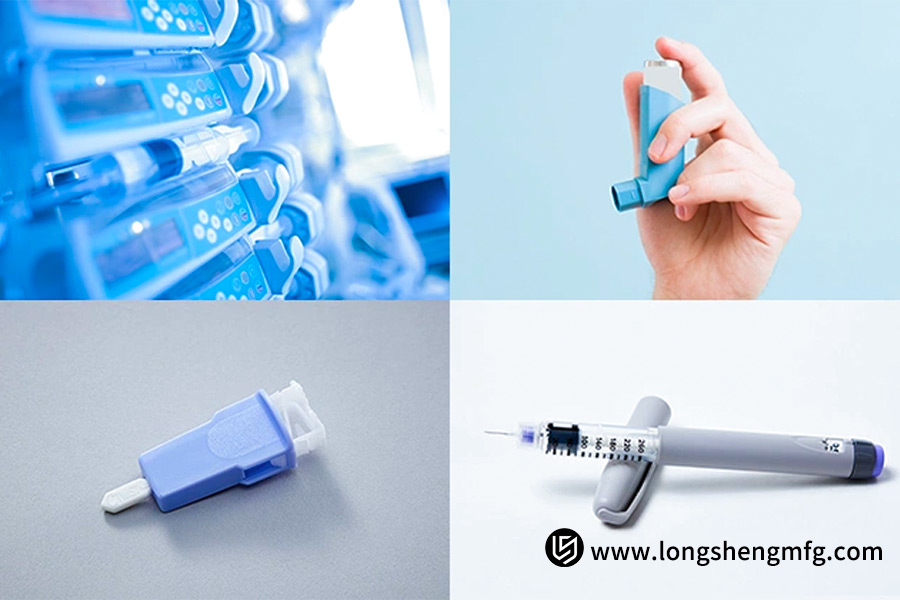
A well-known medical device firm was struggling to design a next-generation orthopedic surgical positioning guide. They initially used a general-purpose 3D printing photosensitive resin material.
But there were major problems in clinical trials: the material deformed when sterilized with high-temperature and high-pressure methods, which undermined surgical precision. Some patients also exhibited allergic reactions, and biocompatibility was below Class II medical device levels. This seriously slowed project progress and desperately required a professional material solution.
2. LS Precision’s innovative approach:
Instead of merely providing catalog-off-the-shelf components, our materials engineers undertook a systematic material selection. They first analyzed the device’s purpose thoroughly: it had to fulfill requirements for 132°C high-temperature sterilization, biocompatibility for short-term bone tissue contact, and dimensional stability of ±0.1mm.
LS Precision innovatively applied a two-track validation approach:
- Screen six specialty resins (new bio-based resins included)
- Test three medical-grade modified plastics (such as glass-fiber-reinforced PEEK and medical-grade PEI).
Through three-stage testing that included accelerated aging testing, cytotoxicity testing according to ISO 10993 standards, and precision stability proof, we opted to use a medical-grade high-performance plastic to be custom-modified rather than a standard resin.
3. Final result and value:
The customized material solution provided by LS Precision solved all the technical problems. The new material not only satisfied all the biocompatibility standards but also showed dimensional stability following 200 successive sterilization cycles at elevated temperature, with precision deviation remaining within ±0.05mm.
The solution allowed the client’s product to achieve successful FDA approval and has been used safely in over 35,000 orthopedic surgeries, with an impressive history of zero material-related adverse reactions.
It also raised the product’s life from the initial five sterilization cycles to over 50, significantly reducing the cost per use for hospitals and getting great appreciation from customers and the market.
Cost-Benefit Analysis: A Guide To Smart Investment Decisions
When selecting materials, simply comparing cost is likely to lead to the wrong decision. Proper cost-benefit analysis entails serious consideration of a number of factors, including raw material cost, cost of processing, product life, and cost of maintenance, in order to decide on the most cost-effective option.
| Cost Dimensions | Resin | Plastic | Investment Recommendations |
| Raw Material Cost | Relatively low, priced per tonnage. | Relatively high, including modification additives and R&D costs. | Resins offer a more competitive price when purchasing in large quantities. |
| Processing Cost | Requires additional equipment and processes (such as injection molding and curing), resulting in higher costs. | Can be used directly, is simple to process, and has lower costs. | Plastics are more economical for small-batch production. |
| Service Life | Unmodified materials may be susceptible to aging and cracking, resulting in a shorter service life. | They offer superior weather and wear resistance, resulting in a longer service life. | Plastics are more cost-effective for products with long-term use. |
| Maintenance Cost | Frequent replacement or repairs may be required. | High durability and low maintenance requirements. | Investing in high-performance plastics is recommended for high-value products. |
| Overall Benefits | Low initial investment, but potentially higher total cost of ownership. | High initial investment, but significant long-term benefits. | Choose the most economical option based on the product lifecycle. |
- Resins are suitable for one-time or short-term application products and for bulk processing businesses.
- Plastics, although more expensive per unit, are more service life and have lower maintenance requirements, thus being more appropriate for the long term.
One should base the total cost of ownership and not merely raw material cost as the basis of intelligent investment.
FAQs
1. Are all plastics produced from resin?
Yes. All plastics produced from resin. Resin is the initial raw material for plastic, but it requires additives and processing to form the final plastic material.
2. Which of these materials is more chemically resistant?
Generally, specialty engineering plastics are more chemically resistant, but some modified resins can also offer good chemical resistance.
3. Which material must be employed with food contact products?
It is recommended to employ FDA-approved food-grade materials for food contact products. Resins and plastics must comply with the proper safety standards.
4. Where can I find expert material selection advice?
You can contact LS Precision for your material selection advice. LS Precision offers free material consulting and is qualified to provide the most suitable material solution depending on your individual product requirements.

Conclusion
Assessing five critical dimensions–source, structure, processing, performance, and environmental sustainability, the fundamental differences between resins and plastics become evident.
The key to choosing the right material is meeting your needs precisely:
- If you need a raw material for secondary processing, choose resin;
- If you need a final product ready for use, choose a plastic of characteristics you can design.
In order to deliver the best value for money, we recommend the following order of decision-making: “Define the application scenario – Evaluate core performance – Calculate total cost“.
LS Precision Manufacturing provide complimentary material selection consultation and sample trial, suggesting the most ideal solution based on your particular demands. Contact LS Precison for instant quotes now and let our knowledge guide you in making the right choice and guarantee the success of your product.
 📞 Phone: +86 185 6675 9667
📧 Email:info@longshengmfg.com
🌐Website:https://www.longshengmfg.com/
Disclaimer
The content appearing on this webpage is for informational purposes only. LS makes no representation or warranty of any kind, be it expressed or implied, as to the accuracy, completeness, or validity of the information. Any performance parameters, geometric tolerances, specific design features, quality and types of materials, or processes should not be inferred to represent what will be delivered by third-party suppliers or manufacturers through LS’s network. Buyers seeking quotes for parts are responsible for defining the specific requirements for those parts. Please contact to our for more information.
Team LS
This article was written by various LS contributors. LS is a leading resource on manufacturing with CNC machining, sheet metal fabrication, 3D printing, injection molding,metal stamping and more.


