CNC milling parts often pose challenges of quality and delivery for most manufacturing companies, particularly when dealing with complex designs. These challenges result in delayed deliveries, inconsistent quality, and uncontrolled cost overruns. Typically, such issues stem from insufficient technical expertise at the supplier end, an inadequate quality system, and a lack of comprehensive solution capabilities starting from the design phase.
LS Manufacturing will share its decades of experience providing high-precision aerospace parts services to global customers, covering everything from design optimization to supplier management. To save you time, we’ll demonstrate how technical challenges were transformed into commercial success, providing a model for other companies in the industry to learn from.
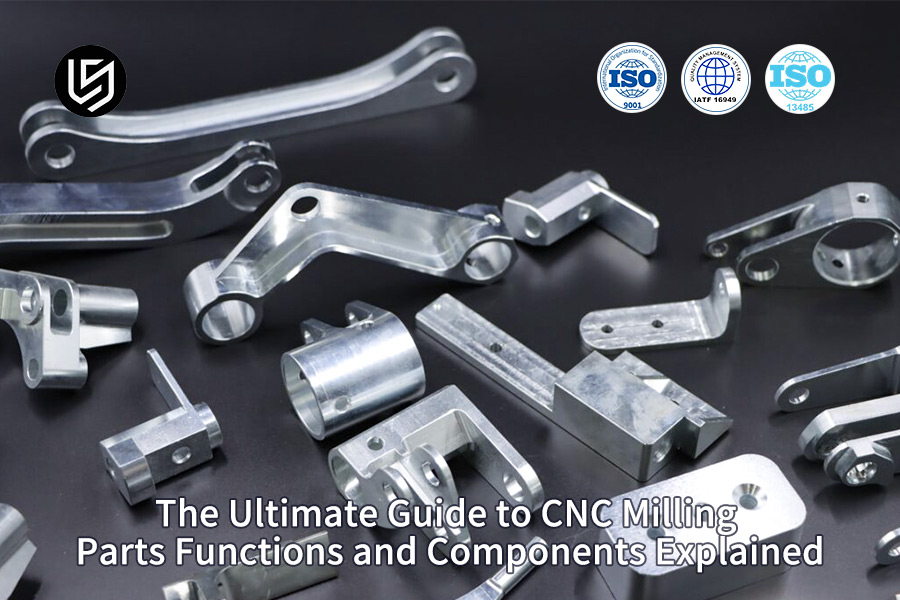
Quick Reference Table for CNC Milling Parts Technology
| Module Classification | Core Content Summary |
| Machining range | Box-shaped, plate-shaped, curved surface parts, maximum processing size up to 2000×1000×500mm. |
| Material Capabilities | The metal materials represented here include but are not limited to aluminum alloys, stainless steel, titanium alloys; engineering plastics. |
| Accuracy Grade | Dimensional tolerance up to ±0.01mm, positional accuracy ±0.02mm. |
| Facilities and Equipment | Equipped with 3-axis, 4-axis and 5-axis simultaneous machining centres. |
| Main Features | High-speed milling technology, high efficiency, high precision machining. |
| Surface Treatment | Anodizing, sand blasting, and spraying are supported. |
| Inspection Methods | Using coordinate measuring machines and laser scanners to conduct full-dimensional inspections. |
| Quality Control | First, a three-level quality control system is carried out that includes first-piece inspection, patrol inspection, and final inspection. |
CNC milling is a core process in modern precision manufacturing, and the efficient machining of complex parts relies on digital programming. Selection of the milling supplier has to consider equipment capability, optimization level of process, and quality control system, as these factors put together determine the final quality and performance of the parts.
Why Trust This Guide? Practical Experience from LS Manufacturing Experts
LS Manufacturing has over fifteen years of experience in CNC milling of high-end components for aerospace, medical, and semiconductor industries. We specialize in machining difficult-to-process materials and controlling deformation in thin-walled parts. Our process system continuously optimizes parameters using the Granta Design (CES EduPack) material database and integrates Additive Manufacturing (AM) technology to enable hybrid manufacturing of complex structures.
By relying on 5-axis simultaneous machining and online measurement technology, a set of solutions from toolpath planning to stress control has been developed that successfully solved some key problems in the industry: milling vibrations in titanium alloys, deformation in thin-walled parts, etc. From more than 100,000 pieces of milled parts in practice, we have formed a complete process library ranging from aluminum alloys to high-temperature alloys.
Among the main technologies introduced in the book, there are dynamic milling parameters and tool life prediction that have already been mass-produced and verified in industries such as aerospace and medical treatment. The usage of this book will, therefore, enable readers to learn systematically about essentials in the CNC milling technology, avoid defects in machining, and achieve quality stability in mass production.
How do precision CNC milled parts become the cornerstone to your product’s success?
Precision CNC milling parts are core components in much modern high-end equipment. Their quality will directly determine the performance, reliability, and market competitiveness of products. What are CNC milling parts, it is necessary to recognize that they are not only physical entities that meet the dimensions of drawings, but also physical carriers that embody technological innovation.
- Dimensional accuracy guarantees functionality realization: Precision assembly of parts is enabled by the micron-level tolerance control. By adopting 5-axis simultaneous machining technology, the positional accuracy of the positioning holes within the aerospace navigation bracket reached ±0.01mm, thereby improving the accuracy of measurement benchmark in the sensor system.
- Surface Quality Affects Product Lifespan: We optimize the cutting parameters and tool paths to achieve the best surface roughness of less than 0.4μm Ra. Mirror milling reduces the friction coefficient of medical implant articulated surfaces by 35%, thus extending their service life remarkably.
- Material properties determine the applicable environment: According to the database of material science, we will select the best materials under different working conditions. The vacuum chamber that the semiconductor equipment uses is made with a special aluminum alloy that can meet rigidity requirements and control the coefficient of thermal deformation within 1.5 × 10⁻⁶/℃.
- Process stability ensures batch-to-batch consistency: A statistical process control system has been established to ensure the quality consistency of the first batch and subsequent batches. CPK is persistently above 1.67 while machining the automotive engine housing and avoids batch quality incidents.
Precision CNC milling parts add value as a multiplier effect of basic product components. LS Manufacturing precision machining serves to provide a guide rail base for a lithography machine, realizing flatness of 0.003mm/1000mm while improving long-term dimensional stability by 3 times through stress relief processes.

What are the key functions to be focused on in order to achieve the best quality milling?
Completeness of the CNC milled parts functions directly influences the final performance and reliability of the product. It is also the basis for guaranteeing consistency in machining by setting up high-quality milling standards. Precision machining, in the modern context, has gone further from pursuing precision alone to an all-round performance control, entailing holistic consideration of many factors including geometric accuracy, surface integrity, and structural stability.
| Core Functions | Key Achievements and Customer Value |
| High Precision Dimensional Control | Precision machine tools and temperature control systems ensure tolerances within ±0.01mm in order to improve the success rate of product assembly. |
| Complex Geometric Shaping | The 5-axis linkage technology is utilized in machining, keeping its curved surface and irregular structure in mind, to extend design freedom. |
| Better Surface Finish | It optimizes the cutting parameters for surface quality below Ra0.4μm, which reduces subsequent processing. |
| High material removal efficiency | Rational use of cutting tools and routes to enhance machining efficiency and shorten delivery cycles. |
| Mass Production Consistency | SPC process control system established to ensure stability in quality and reduction of quality costs. |
Beyond dimensional accuracy,Superior milling quality requires comprehensive attention to surface integrity, geometric complexity, and batch uniformity—core aspects that define high-quality milling standards. This holistic approach to quality control translates into enhanced product performance and market competitiveness for customers.
What is the most important key factor that is overlooked most while choosing a type of CNC milling component?
During the selection of CNC milling parts, most decision-makers tend to over-emphasize specifications of the equipment while disregarding crucial factors that have a deep impact on long-run stability and overall performance. How to choose a CNC milling machine not only considering immediate machining needs, but also evaluating its adaptability and reliability throughout the entire product lifecycle.
| Key Factors | Specific Content and Impact Analysis |
| Dynamic Accuracy Stability | Consistency of performance over long periods of operation, which directly relates to batch-to-batch product consistency. |
| Performance of Thermal Deformation Control | The thermal stability of a machine tool indicates the degree of dimensional drift in a long-term machining process. |
| Control System Openness | Compatibility and secondary development capabilities impact optimization potential in the process. |
| Energy Consumption and Maintenance Costs | Generally, the total lifecycle cost is underestimated, hence affecting long-term economic benefits. |
| Technological Upgrade and Scalability | With modular design, functional expansions are possible in the future, while the value of investment is safeguarded. |
Successful selection through CNC milling components depends on often-overlooked factors. When choosing a CNC milling machine, beyond basic machining range and accuracy parameters, attention should be paid to the equipment’s dynamic performance stability, thermal deformation control, and technological upgrade potential during long-term operation.
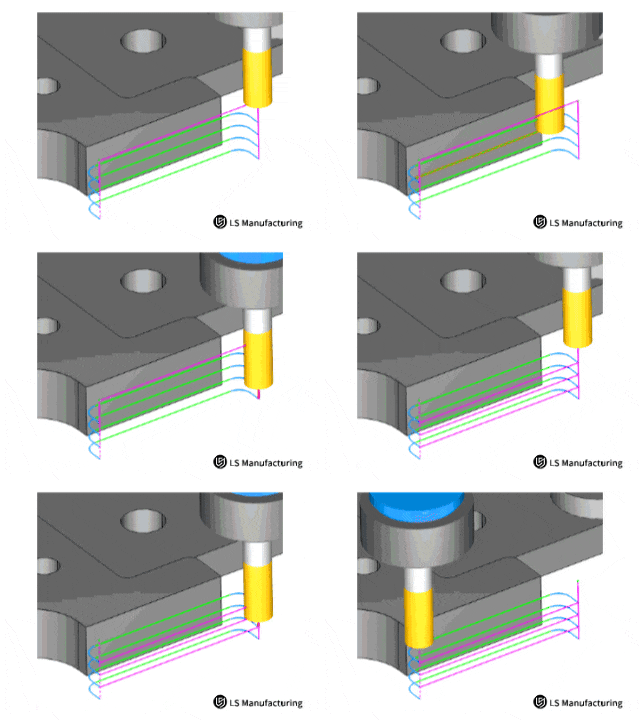
How does LS Manufacturing ensure 100% quality control in the CNC milling process?
We develop the whole CNC milling process flow, shifting the quality control forward to the very beginning of design and throughout. The LS Manufacturing quality system enables us to pursue “zero defects” by ensuring every step is under control through standardized operations, real-time monitoring, and full traceability.
Pre-design quality control
In the product design stage, manufacturability analysis by our engineering team identifies and optimizes potential quality issues. Simulation of stress distribution and thermal deformation trends in machining allows process plans to be changed in advance to eliminate quality problems at the root.
Real-time quality monitoring during machining
In production, we use online measurements with Renishaw probes and carry out real-time monitoring of tool wear and machining accuracy. With an integrated measurement system in the machine tool, automatic in-machine inspection is executed after each critical process to detect and correct deviations immediately and prevent defective products from flowing into the next process.
Multi-tier Quality Inspection System
It has established a comprehensive inspection system including first-piece inspection, in-process inspection, and final-piece inspection. First parts are completely checked by a coordinate measuring machine. In mass production, regular sampling inspections ensure the stability of processing. Inspection data are entered into the MES system in real time to realize traceability in quality data.
Continuous Improvement Quality Management Mechanism
SPC analyzes quality data, while the Process Capability Index, CPK, is under constant review. Wherever the value of CPK falls below 1.67, corrective actions are triggered to optimize the process parameters for continued conformity with the quality requirements.
Our CNC milling process flow employs proactive quality control, real-time process monitoring, and institutionalized continuous quality improvement in establishing a comprehensive quality assurance system. Besides the reliability and consistency of products it offers, this rigid LS Manufacturing quality system will let customers be assured of their quality.
Has your project budget gotten out of control due to inappropriate materials selection?
Material selection plays a major role in many precision manufacturing projects and is often underestimated. Improper CNC milling materials selectionwill not only cause a waste of materials but also give rise to a series of chain reactions: lower machining efficiency accelerates tool wear and increases the post-processing cost, making it hard to achieve targets for manufacturing cost control.
- Precise matching of material properties with requirements: Avoid waste due to over-selection of high-performance material. For example, for structural parts that are not load-carrying, the application of the 6061 aluminum alloy is possible instead of 7075, which can meet the requirements of strength and cut costs by 30%, adding superior machinability.
- Overall Machining Characteristics Rating: Now consider the machinability of materials; for instance, 2Cr13 stainless steel is easier to work with than 304. It increases the tool life by 40%, which means that machining time and tool consumption are greatly reduced.
- Comprehensive consideration of post-processing costs: Material influence assessment on surface treatment: The anodizing effect that can be achieved by using 6000 series aluminum alloys is better compared to the anodizing effect of the 2000 series, which will reduce post-processing difficulties and expenses.
- Economic Analysis for Mass Production: Improve material utilization by optimizing the material choice in view of production volume. For small batches, it is possible to make use of standard plates; for large batches, obtain a custom profile that can reduce material waste by over 15%.
- Prevention of Supply Chain Stability Risks: Specifying stable, general-purpose materials avoids project delays and emergency procurement costs associated with stockouts of specialized materials.
Scientific material selection for CNC milling is crucial for effective manufacturing cost control. A scientific approach involves holistic evaluation of material prices alongside processing efficiency, tool wear, and post-processing costs, aiming to maintain manageable project budgets while ensuring optimal cost-effectiveness.
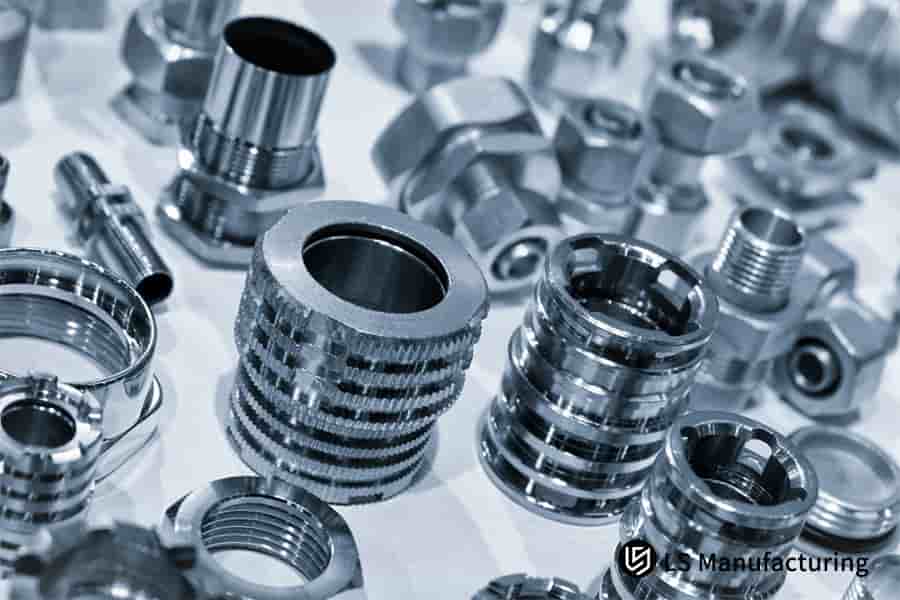
How did LS Manufacturing address the issue of deformation with their high-precision aluminium alloy brackets for aerospace customers and reduce delivery cycles by 30%?
Precision in machining quality is of great importance for aircraft subsystems in terms of reliability and assembly efficiency within the manufacturing process in the aerospace industry. Once, a well-known company faced technical problems in the processing of thin-walled bracket parts in the aerospace arena. As demonstrated in the LS Manufacturing case study, the company overcame this with abundant process experience and innovative approaches, highlighting its professional strength in the field of aerospace parts machining.
Deep analysis of the customer’s dilemma
This customer had a requirement for the thin-wall, multi-cavity structure construction of aluminum alloy brackets with only a 1.2mm wall thickness. Traditional machining methods caused up to 0.3mm deformation due to concentrated cutting heat and clamping stress far beyond the tolerance requirement at ±0.05mm. During batch production, less than 70% passed, which not only entailed material waste but also delayed the delivery schedule of aircraft subsystems.
LS Manufacturing Solutions
Our engineering team proposed solutions through multi-dimensional innovation.
- DFM Optimized Design: By using a three-point positioning flexible fixture, the clamping scheme was redesigned, and thus reduced clamping stress by 60%;
- Innovation in Cutting Parameters: With the strategy of layered progressive cutting, for each layer, the depth was kept at 0.2mm. With high-pressure cryogenic coolant, it suppressed thermal deformation effectively.
- Process path optimization: By designing a symmetrical processing path, the residual stress is distributed evenly, and the maximum deformation is controlled within 0.02mm.
Results and Value Creation
Significant project outcomes include a 99.8% part qualification rate, a 30% reduction in delivery time, and over 2 million RMB in annual savings on rework costs for the customer. The customer’s project manager noted, “LS Manufacturing’s engineering capability was crucial to our project’s success.” As a result, a long-term strategic partnership was established between both parties.
This LS Manufacturing case study fully demonstrates our depth of technology in the field of aerospace parts machining. In addition to addressing the urgent need of customers through systemic process innovation and precision deformation control strategies, the company was also able to inject reliable technical support into their supply chains.
Having some problems with the CNC milling parts? Click for professional solutions!

How to reduce the cost of CNC milling by 15% at its source through Design Optimization? (DFM)
The key factors in cost control within any CNC milling project are decided during the design phase. Scientific CNC milling DFM analysis optimizes part structure and simplifies machining processes right from the very beginning, significantly reducing machining costs. LS Manufacturing, your “cost optimization partner,” helps customers save more than 15% on average in machining costs with the following common design optimization solutions.
Optimize Internal Sharp Corner Design
Replace sharp corners of internal contours by rounded corners of appropriate radius. R≥0.5mm is suggested in order to avoid many times of corner clearing operations using small-diameter tools. For example, some kinds of aluminum alloy housing converted internal sharp corners into R1 rounded corners, tool changes are reduced by 3 times, and single piece machining time is shortened by 12%.
Use uniform wall thickness to avoid stress concentration
Design to keep wall thickness constant, or limit the variation in thickness to no more than 20%. One medical device stent reduced its ratio of thinnest to thickest point from 1:3 to 1:1.2 by optimum design of wall thickness and by doing so reduced the machining deformation rate from 15% to 3% and eliminated two calibration steps.
Simplified deep hole and micro-feature design
Avoid deep hole designs where the depth-to-diameter ratio exceeds 5:1, and do not apply micro features less than 1mm in diameter. In one such aerospace connector application, the ability to optimize a depth-to-diameter ratio from 8:1 to 4:1 and change from a non-standard tool to a standard drill bit resulted in a 40% tooling cost reduction and a 25% increase in machining efficiency.
Standardized feature dimensions reduce non-standard tools
In designing features, standard tooling dimensions should be adopted to the largest extent. For example, common hole diameters can be designed using φ3, φ6, and φ10. A certain automobile accessory manufacturer standardized seven different hole diameters into four standard sizes and reduced nonstandard tool purchases, saving more than 50,000 yuan annually in tooling cost.
We saved this electronics customer 18% on housing part costs by using systematic CNC milling DFM analysis, a core method highlighted in the ultimate guide to CNC milling. Internal fillet optimization alone saved 15% in machining time. Indeed, design-driven cost reduction can effectively reduce processing difficulty and time, improve quality, and stabilize production.
5-Axis CNC Milling: Cost Burden or Return on Investment? Total Cost of Ownership, TCO, Analysis
In considering investments in 5-axis CNC milling technology, too many companies just look at the purchase price of the device and do not consider long-term value. Scientific 5-axis CNC milling TCO analysis has shown that this technology can realize a return on investment by way of greatly improving efficiency and stability of quality in processing. Especially in the field of machining of complex parts, the value generated is far beyond investment in the technology itself.
- Increased Utilization of Equipment: It enables multi-faceted machining in one setting and reduces equipment downtime. One aerospace firm reduced the time taken to machine complex impellers from 18 to 6 hours through the use of a 5-axis machine tool, with the utilisation of the equipment growing by about 70%.
- Reduced quality costs: Because there are fewer setups involved, these machines can control cumulative errors within 0.01mm. Since 5-axis machining was introduced, one medical device company has raised its product qualification rate from 85% to 98% and reduced its annual quality cost by more than 1 million yuan.
- Labor Cost Optimization: Automatic machining reduces dependence on the skilled workforce. For a mold enterprise producing complex types of CNC milling components, 5-axis technology could reduce its manual intervention time per unit by 60% and save almost 500,000 yuan annually in labor costs.
- Increased flexible production capabilities: Rapid switching of different machining tasks adapts to small-batch, multi-variety production. The R&D cycle was shortened by 40%, and trial production costs in producing new products were reduced by 35% when using 5-axis machine tools in a certain research institution.
A TCO analysis of 5-axis CNC milling confirms its strategic value. This technology usually recovers its investment in 2-3 years, improving the machining accuracy, reducing non-cutting time, and the quality cost for complicated CNC milling machine parts. Therefore, companies are able to make appropriate decisions on the basis of lifecycle cost-benefit analysis in the adoption of technology.
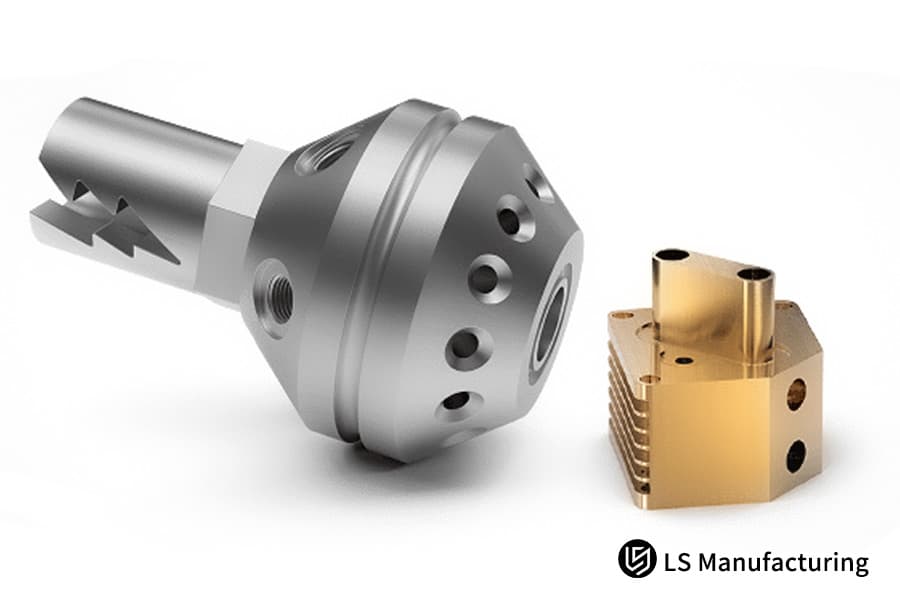
How did the quality system of LS Manufacturing get ISO 9001:2015 certification and achieve global trust?
LS Manufacturing ISO certification stands not only for an internationally recognized qualification but also a reflection of our concrete commitment to our clients. We have established a complete and compliant quality management system, thus earning the long-term trust from global clients.
- Strict Adherence to International Standards: We follow the strict demands of ISO 9001:2015 in every link in design, production, and service, so as to establish a quality management system. Every step is ensured to reach an international standard through systematic control of 23 key processes and 128 quality control points.
- Continuous Improvement Culture: We have established a complete internal audit and management review mechanism, conducting two full-system internal audits every year. By continuously collecting customer feedback and production data, we completed 67 projects for quality improvement in the last three years and continuously maintained a customer satisfaction rate of over 98%.
- Comprehensive Employee Training System: All employees undergo rigorous quality awareness training and job skills certification. We invest over 200 hours every year in professional training to keep our people current with the latest quality standards and requirements.
- Advanced Information Security Management: We protect our clients’ intellectual property with bank-grade data encryption; what’s more, all of our projects are under legally binding confidentiality agreements, also known as NDAs. We ensure traceable and secure customer data through hierarchical access control and tracking of operation logs.
The LS Manufacturing ISO certification symbolizes the fact that our quality management system has reached an internationally advanced level. As the most trustworthy CNC milling supplier, we pay as much attention to precision and quality in products as to comprehensive support that we can offer to customers through systematic management.
Your Custom Project Success Roadmap: From Initial Communication to Mass Production
The clear LS Manufacturing collaboration process ensures precision in each phase of product delivery, from the gathering of requirements to helping our customers smoothly start a CNC milling project to reach their expected goals. Below is the detailed explanation of our standardized service procedure:
- Requirements Communication and Technical Clarification: Our technical team will respond within 4 hours and conduct online meetings with clients upon receipt of product drawings or samples to clearly understand their technical requirements, budget, and delivery deadlines, making sure both parties are on the same page.
- Free DFM analysis and solution optimization: We complete manufacturability analyses in 48 hours and provide expert advice from both material selection and structural manufacturability standpoints. One medical device customer realized a 22% processing cost reduction thanks to our optimization solution.
- Price Transparency and Signing of Contract: We provide detailed quotations, including a clear listing of all costs that pertain to materials, processing, and post-processing. Every agreement clearly outlines delivery milestones, quality standards, and acceptance methods that protect both parties.
- First Article Inspection Mass Production: Sample Production: We will be producing 3-5 samples and providing a complete dimensional inspection report. Once the customer confirms conformance, mass production begins. SPC process control makes sure quality is consistent.
- Final Inspection & On-Time Delivery: 100% of the goods have to pass the final inspection, including CMM measurement. A full quality report will be provided. Professional logistics handle the on-time delivery, while follow-up technical support is provided.
The biggest advantage brought by LS Manufacturing collaboration process is that it is transparent, and the work process is smooth. If you are ready to start a CNC milling project, then we will arrange a dedicated project manager for one-on-one service, who will act as your personal CNC milling parts guide. This professional project management model makes sure every customer enjoys an efficient and reliable service experience and truly achieves win-win cooperation.

FAQs
1. What is the minimum lot size for CNC milling at LS Manufacturing?
We offer highly flexible production services, from single-piece prototypes to orders in tens of thousands. MOQ dynamically adjusts according to material properties such as aluminum alloy and titanium alloy, and to process complexity for the best fit with real R&D prototyping and small-batch production needs, avoiding rigid quantity limits.
2. Generally, how long does it take once drawings are provided to get a quote?
Standard inquiries can get a detailed quotation in 24 hours, including material costs, labor costs, and surface treatment fees. For complicated parts, process evaluation is needed. Parts like 5-axis machined parts will require at least 48 hours for a quotation to ensure precision and openness of price.
3. How can you guarantee that my design drawings and IP are kept safe?
We have legally binding NDA agreements with our partners. Storage of design files is encrypted by AES-256. It provides operation logs that trace all stages of the process. Physically isolated production networks and hierarchical access control ensure data is used by the current project only and cannot leak.
4. Should suggestions be provided in case optimization points are found within the manufacture?
Free DFM analysis has been proactively provided, with optimization solutions proposed from the perspective of tolerance rationality and structural manufacturability. We have helped clients reduce costs by up to 18% thanks to internal feature simplification without impairing functionalities or performance.
5. What quality control standards and test processes do you support?
We will implement the system according to the requirements of ISO 9001:2015 strictly. Quality control will be performed on many aspects, such as Coordinate Measuring Machine and Surface Roughness Tester, among others. Perform threefold guarantee of first-piece check, monitoring of SPC process, final product check with allround inspection report.
6. For urgent projects, can production be accelerated?
Yes, we have a VIP expedited channel that can reduce delivery cycles by 30%-50% through parallel production scheduling. Prototypes can be delivered in as little as 3 working days to ensure that critical project schedules are not affected.
7. Besides milling, do you provide post-processing services, like surface treatment?
We offer one-stop post-processing services including anodizing (inclusive of coloring), sandblasting, and electroplating. All processes are completed in an ISO 7 cleanroom to ensure the surface quality matches the precision of machining.
8. How do I initiate my first collaborative project?
You can upload 2D/3D drawings through the official website form or arrange a 15-minute free technical consultation. Experts will simultaneously provide DFM analysis, quotations, and production scheduling to help your project get off to a fast start.
Conclusion
The choice of a suitable CNC milling partner is the cornerstone to project success, which requires comprehensive considerations over the technical capabilities, quality systems, and project experiences of the supplier. It gives a professional view in comprehensively judging the capability of the suppliers-from technical principles to case studies in practice-and helps in making informed decisions.
We sincerely invite you to click the button below to submit your design drawings and experience LS Manufacturing’s professional services. You will get a free DFM manufacturability analysis report and an accurate quotation based on your project needs. Our technical team provides detailed technical advisory and optimization solutions for you within 2 hours.
📞Phone:+86 185 6675 9667
📧Email:info@longshengmfg.com
🌐Website:https://www.longshengmfg.com/
Disclaimer
The content appearing on this webpage is for informational purposes only. LS Manufacturing makes no representation or warranty of any kind, be it expressed or implied, as to the accuracy, completeness, or validity of the information. Any performance parameters, geometric tolerances, specific design features, quality and types of materials, or processes should not be inferred to represent what will be delivered by third-party suppliers or manufacturers through LS Manufacturing’s network. Buyers seeking quotes for parts are responsible for defining the specific requirements for those parts. Please contact to our for more information.
LS Manufacturing Team
This article was written by various LS Manufacturing contributors. LS Manufacturing is a leading resource on manufacturing with CNC machining, sheet metal fabrication, 3D printing, injection molding,metal stamping and more.



