CNC machining is the core technology in the contemporary manufacturing industry. During actual implementation, information overload and decision dilemmas are common problems usually encountered in enterprises applying CNC machining.
These problems are thus ingrained in the failure to integrate appropriately the technical details with the business objectives of cost, efficiency, and quality. The professional team at LS Manufacturing will go help you translate your expertise into the best decisions that ensure technology choices exactly support the business objectives.
More often, decisions are based upon fragmented experience. We must first seek to understand the changing face of modern manufacturing through CNC machining.To save you time, here’s a quick overview of the core conclusions.
CNC Machining Full Text Quick Reference Table
Module Classification
Core Content Summary
Key Points Analysis
Core Processes
Main CNC Machining Methods and Their Characteristics
Milling applies to the manufacture of complex three-dimensional parts; turning specializes in the processing of a rotating body; multi-axis machiningcan realize high-precision complex curved surfaces.
Material selection
The commonly used materials and their processing characteristics
Metallic materials offer advantages in both strength and cost. Engineering plastics can meet specific requirements such as lightweighting, while composite materials have excellent properties but poor processing performance.
Decision-making framework
A structured process for selection from requirement to solution.
After the technical requirements are clarified, processes are matched, material is selected based on function, and finally cost and efficiency are optimized.
Advantages and Limitations
Bounds and applicable scope of technology application.
It has the advantages of high precision and flexibility, while its limitation is large equipment investment and low material utilization.
Key to Success
Core elements for ensuring project effectiveness.
Enhance early design collaboration, firm up the priorities of requirements, and reduce risks by verifying prototypes
Confirm first, in actual use, the core business objectives of the product: cost-oriented, performance-first, or fast-to-market. Determine inversely through this objective the process path and the choice of materials. In the meantime, during early design and manufacturing, ensuring quality while maximizing project benefits.
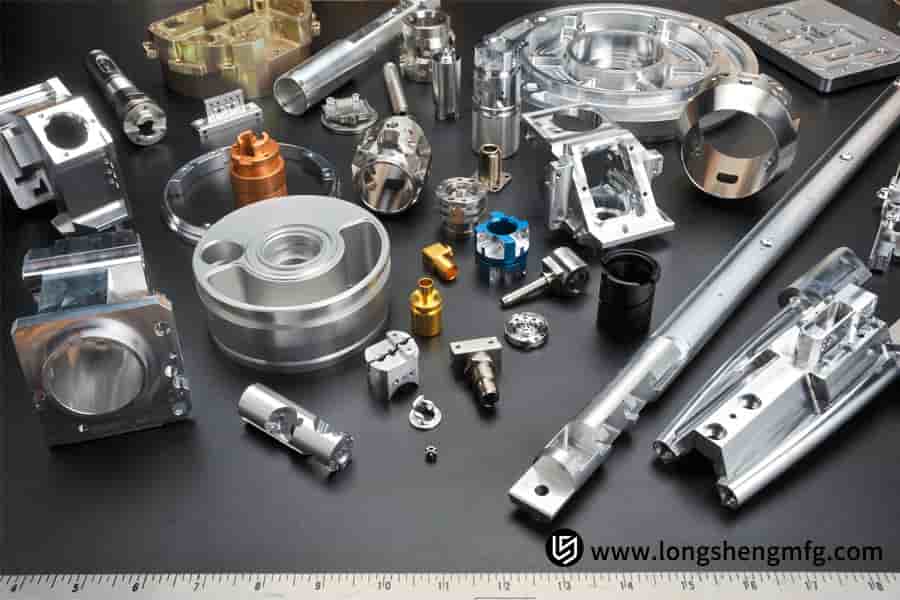
Figure 1: A comprehensive guide to CNC materials and parts by LS Manufacturing
Why Trust This Guide? Practical Experience from LS Manufacturing Experts
That’s the dream of the informationist, but very little of that can be found in theoretical knowledge; rather, it is in distilling the insights our team has gained through continuous struggle with high-hardness materials, micron-level tolerances, and complicated geometries in real-world machining environments.
Over the past decade, our team has successfully supplied more than 50,000 complex parts using multi-axis machining technology. Each delivery has added to deep understanding in specific material machining characteristics, optimization of process parameters, and trade-offs between efficiency and cost.
That means every suggestion in this CNC machining guide comes from first-hand successes and early lessons learned. The costs we incurred are just for helping you effectively avoid these pitfalls. What we deliver are insights repeatedly validated through cuttings, coolants, and rigorous quality control-all with the intent of helping you efficiently translate superior designs into reliable physical results.
How does CNC machining redefine modern parts manufacturing?
CNC machining has evolved from a simple cutting technique into the cornerstone of digital manufacturing. This article, serving as theLS Manufacturing CNC Guide, will delve into its disruptive value:
1. Digital Precision Control:
Unlike traditional machining, which relies on the operator’s personal skill, CNC machining drives equipment through digital commands. This means that even the most complex geometriescan be accurately and predictably replicated, fundamentally eliminating human error and achieving a high degree of consistency between design and finished product.
2. Unlocking the Possibilities of Complex Geometries:
Complex surfaces, irregular structures, and precision cavities that are difficult or extremely costly to achieve with traditional processes become effortless with CNC machining. This provides product designers with unprecedented freedom, giving rise to innovative products with superior performance and higher integration.
3. Laying the Foundation for Efficient and Flexible Manufacturing:
Once the program is programmed, the machining of different parts can be quickly switched, making it particularly suitable for flexible production models with small batchesand multiple varieties. This efficiency and flexibility greatly shortens the product development cycle and enables rapid response to market changes.
It redefines the meaning of precision and design freedom, renewing the production paradigm by transforming real physical manufacturing into controllable digital information with high precision. Not only is it a tool, but CNC machining is a major driving force for innovation in products and intelligent manufacturing.
What are the differences and choice points for key CNC machining processes?
Correct selection of the CNC machining processes is the very foundation of manufacturing success, as it determines directly whether the parts can be fabricated with satisfactory feasibility, economy, and quality. Some of the types of CNC machining are compared in the following table:
Process Type
Core Principles and Capability Boundaries
Economic Batch and Applicable Characteristics
CNC Milling
Cuts a fixed workpiece with a rotating tool; adept at machining complex contours, cavities, and three-dimensional surfaces.
Suitable for everything from single-piece prototypes to small-batch production, especially for non-rotating parts such as housings and shells.
CNC Turning
Turning involves rotating the workpiece and using a cutting tool for radial or axial cutting, specializing in manufacturing rotating parts such as shafts, rods, and sleeves.
It is extremely efficient in the mass production of rotating parts and can also be used for rapid prototyping, offering significant economic advantages.
Multi-axis machining
Adding a rotary axis to milling allows for the machining of complex geometries on multiple sides in a single setup, achieving extremely high precision.
Primarily used for parts in aerospace, medical, and other fields with high complexity and precision requirements, typically for small-batch, high-value productio.
The geometry of the part provides the chief criterion for choice. Multi-axis machining is an absolute necessity for those parts that have features across multiple spatial angles where errors from multiple setups should be avoided. Besides, batch size is another critical issue. Knowledge of the capabilities of such processes is very important to translate design intent into reality both effectively and economically.
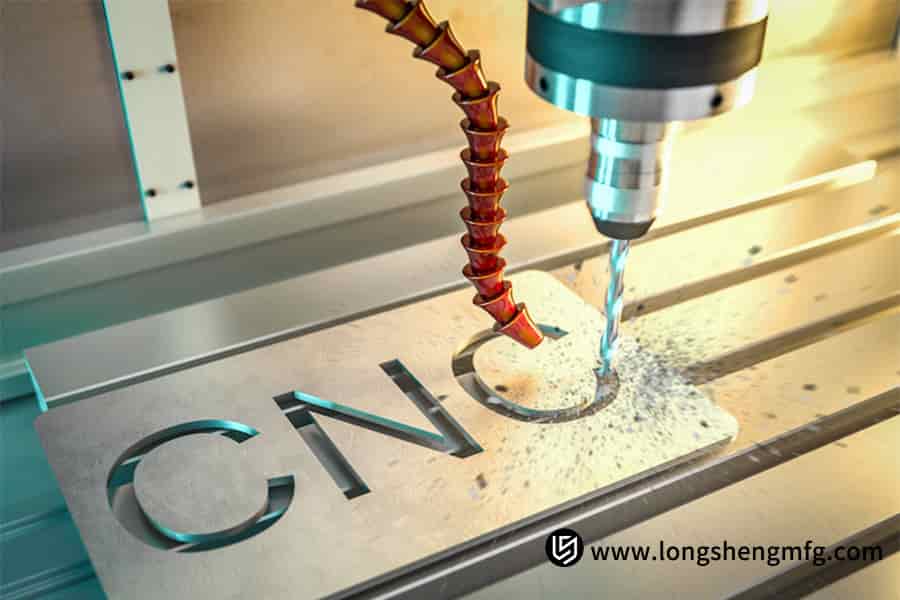
Figure 2: CNC machining process with coolant spray by LS Manufacturing
How to Choose the Most Suitable CNC Machining Materials for Your Project?
Selecting the right material for a project when it comes to CNC Machining Materials is very critical and can be achieved by balancing performance, machinability, and budget. The whole idea is basically to establish a strategic framework that links functional requirements, manufacturing costs, and material properties.
1. Metallic Materials:
Aluminum Alloys: The most commonly used choice, offering a good strength-to-weight ratio, excellent machinability, and corrosion resistance, with relatively low cost. Widely used in lightweight applications such as aerospace frames, consumer electronics housings, and automotive parts.
Stainless Steel: Renowned for its superior strength, excellent corrosion resistance, and wear resistance, but it is more difficult to machine and experiences higher tool wear than aluminum alloys, resulting in higher costs. It is ideal for medical devices, food processing equipment, and chemical components.
Titanium Alloys: Possessing an extremely high strength-to-weight ratio and excellent biocompatibility, but with high material costs and significant machinability, it is typically limited to top-tier applications such as critical aerospace components, high-performance racing car components, and surgical implants.
2. Engineering Plastics:
PEEK: A high-performance specialty plastic with excellent high-temperature resistance, mechanical strength, and chemical stability, but it is expensive. It is often used as a metal substitute in the manufacture of semiconductor clamps, aerospace insulation components, and medical devices.
Nylon: Possesses good toughness, wear resistance, and some self-lubricating properties. It has good machinability and moderate cost, and is often used to manufacture gears, bearings, and various customized functional components.
In summary, material selection is not simply a matter of performance ranking. You need to start from the core requirements of the project, and the final decision should be based on a comprehensive consideration of the part’s function, operating environment, expected lifespan, and total budget to ensure that materials science effectively serves product success.
Which sectors is CNC machining driving innovation for?
With high precision, great flexibility, and huge capacity in treating complex geometries, it is one of the key drivers for innovation within high-end manufacturing. Depth of CNC machining applicationsin the following key industries will fully prove that this technology cannot be replaced:
1. Aerospace:
In this industry, CNC machining is used to manufacture key components such as engine blades and fuselage frames.5-axis CNC machining technology enables the creation of optimal aerodynamic surfaces on difficult-to-machine materials such as titanium alloys, achieving extreme lightweighting while maintaining structural strength, directly improving aircraft performance and fuel efficiency.
2. Medical Device Industry:
Moreover, CNC machining will directly contribute to personalized medicine, such as the customization of implants, including artificial joints and bone plates. In this regard, the high precision will be able to guarantee a perfect fit between the implanted component and the human skeleton, while the excellent surface treatment capabilities will meet the stringent requirements set by biocompatibility, thus substantially improving the medical outcomes of patients.
3. Automotive R&D and Manufacturing:
From the rapid prototyping of concept cars to core components in high-performance racing cars, there is irreplaceable involvement by CNC machining. It is able to make complex structural parts, which cannot be easily made by traditional manufacturing methods, at great speeds, such as light-chassis and custom-designed intake manifolds. It greatly shortens the R&D cycle and boosts innovation of key components related to new energy vehicles and intelligent connected technologies for autonomous driving.
The value of CNC machining far exceeds the field of precision manufacturing alone, be it to achieve the ultimate performance indicator, meet highly personalized needs, or enable fast iterative updates; it will be the strategic technology driving product innovation and enabling the business to maintain an edge over competitors in the industry.
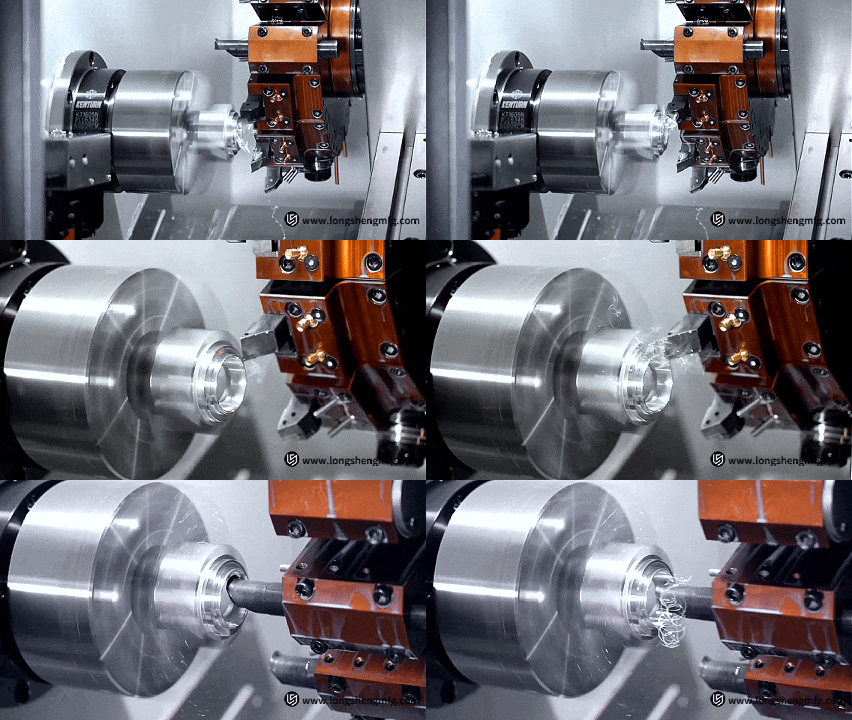
Figure 3: CNC machining for precision dimensional results by LS Manufacturing
How to Choose Between 3-Axis, 5-Axis and Mill-Turn Machining?
The key choice among the different types of CNC machining, such as 3-axis, 5-axis, and mill-turn machining depends upon a comprehensive consideration of part geometry, precision requirements, and production efficiency. A proper understanding of the core value derived from these varieties is fundamental to how to choose CNC machining for a project and helps in selecting the right solution.
Machining Type
Core Value
Typical Application Scenarios
3-Axis Machining
Economical and practical, suitable for parts with simple structures that can be completed in multiple setups.
Sheet metal parts, simple molds, and parts with unfoldable planes.
5-Axis Machining
Completes complex surface machining in a single setup, ensuring high precision and consistency.
Impellers, medical devices, and complex surface parts in aerospace applications.
Mill-Turn Machining
Integrates turning and milling, reducing the number of setups and improving overall machining efficiency and precision.
Precision shafts, complex rotating bodies, and other parts requiring multi-stage machining.
For basic requirements, 3-axis machining is often sufficient, while for complicated bodies featuring curved surface characteristics, 5-axis machining is the appropriate choice. Ultimately, knowing How to Choose CNC Machining means identifying the optimal method, like mill-turning, to achieve high-precision and high-efficiency integrated manufacturing for complex parts.
What is an optimized CNC machining process all the way from design to a finished product?
The entire CNC machining process, right from design to finished product, is optimized for the integration of engineering intelligence at every step. This article introduces a robust CNC machining process, part of the LS manufacturing CNC guide:
Design for Manufacturability Analysis: Our engineers will check the 3D model in detail before machining and propose improvement plans for possible difficulties in machining, rationality of tolerance, and cost optimization. This means we make sure it is manufacturable and economic at the very beginning.
Intelligent CAM Programming and Setup: Based on the optimized model, intelligent computer-aided manufacturing programming is performed, accurately planning toolpaths and cutting parameters, and completing the standardized preparation of tooling and fixtures, laying the foundation for efficient and stable machining.
Precision Machining and Online Inspection: The critical dimensions online during the machining process should be inspected to maintain real-time quality status, to ensure the accuracy of machining to meet the requirements, and achieve the purpose of process control.
Full Quality Check and Delivery: All the finished products undergo a stringent final inspection, possibly by using coordinate measuring machines to ensure that all critical dimensions and tolerances are fully within specifications before delivery to the customer.
The value of this system lies in minimizing unpredictability while maximizing the certainty of processing efficiency and finished product quality through early design-to-manufacturization (DFM) analysis and subsequent multi-point quality control.
How does LS Manufacturing provide comprehensive end-to-end CNC machining solutions to customers?
Our core philosophy is to turn systematic engineering methodologies into tangible competitive advantages for our customers. The following case represents how we provide CNC machining solutions for customers based on the LS Manufacturing CNC Guide:
1. Customer Challenge:
This involves the search for reliable suppliers to provide core joints for the next generation of robotic arms with complicated internal cooling channels and a high-load-bearing outer structure. This puts extremely high requirements on lightweight and high strength. Due to insufficient process capability of the original supplier, thin wall deformation, inconsistent channel machining, and only 70% yields were reached, while costs were persistently high.
2. LS Manufacturing Solution:
We immediately began a collaborative engineering process. Following the LS Manufacturing CNC Guide, we conducted a manufacturability design analysis to optimize the transition design between the thin wall and reinforcing ribs. Subsequently, we completed all feature machining using a five-axis milling center in one setup to ensure channel accuracy and positional tolerances. The selection of a specific aerospace-grade aluminum alloy material was made at this time to balance the strength requirements with the need for lightweight.
3. Results and Value:
This optimized component was able to meet all requirements of strength while achieving the target of a 15%reduction in weight. In addition, through process optimization, its yield rate during mass production increased steadily to over 99.5%, allowing a decrease in customers’ total cost of ownership and enabling them to make their products competitive in terms of precision and range.
In particular, engineering empowerment is the real value of the integrated solution provided by LS Manufacturing. We mitigate the risk in manufacturing right from the beginning through in-depth early-stage DFM analysis to mid-stage advanced process planning, followed by precision manufacturing.
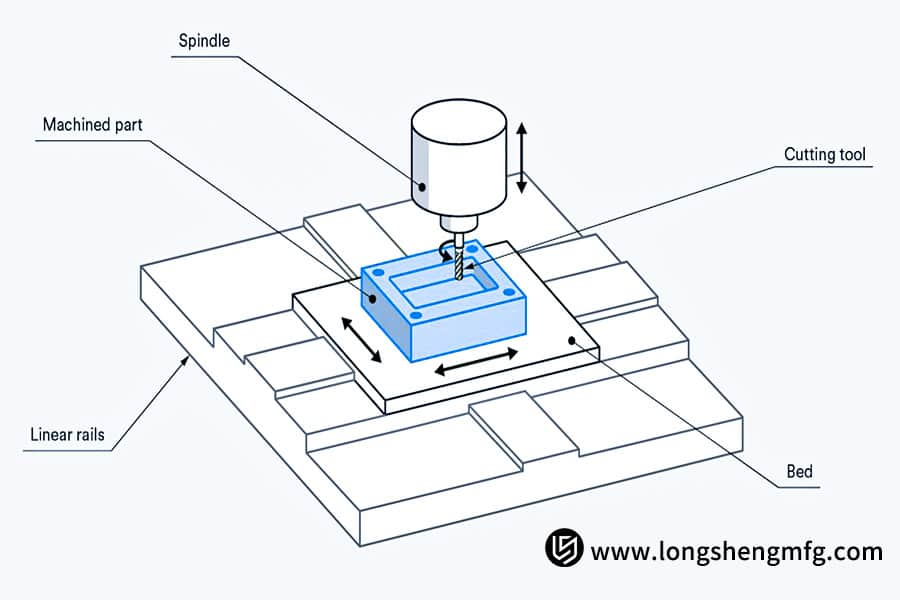
Figure 4: Key components of a CNC milling workzone by LS Manufacturing
Which is the best method of balancing cost, precision, and delivery time?
Finding the optimal balance among cost, precision, and delivery time is a core challenge in How to Choose CNC Machining for every project. Success lies in correctly making strategic trade-offs based on product functionality, and choosing the right strategy will help a person reach the right balance in CNC machining. Three practical dimensions for making this decision are as follows:
1. Function-oriented tolerance strategy:
Strictly control the tolerances of critical dimensions affecting the core functions of the product, but appropriately relax tolerance levels for non-mating surfaces or non-critical positioning features. Even reducing IT8 precision to IT9 can significantly reduce finishing time and tool wear, thereby saving substantial costs.
2. Reasonable surface treatment requirements:
Avoid excessively pursuing extremely high surface finishes. For example, relaxing the Ra 0.4μm mirror finish requirement to Ra 1.6μm not only shortens finishing time but may also reduce or even eliminate subsequent secondary processing steps such as manual polishing or electroplating, directly compressing the processing cycle and costs.
3. Material and Process Matching:
In meeting performance requirements, focus on easy-to-cut standard profiles, such as 6061 aluminum instead of 7075 aluminum, medium carbon steel instead of titanium alloys. Meanwhile, early communication with the manufacturer to use more conventional cutting tools and mature machining parameters can also effectively improve machining efficiency and ensure delivery stability.
By investing the highest cost and time resources in the most critical features and making reasonable compromises in non-critical areas, the optimal CNC machining solution can be obtained most economically to meet the overall project success definition in terms of cost, accuracy, and delivery time.
What are the major competencies one should possess when dealing with CNC machining service providers?
A suitable manufacturing partner can guarantee project quality, cost, and schedule. Based on the principles of the LS Manufacturing CNC Guide, we encourage you to go from a simple price comparison to comprehensive evaluation based on the following four key dimensions:
1. Engineering Collaboration and Design Optimization Capabilities:
A good service provider should be able to do professional manufacturability analysis right at the very beginning of the project and put forward optimization suggestions for material selection, structural manufacturability, and tolerance configuration. It should improve the rationality of the design and control the manufacturing cost from the very beginning.
2. Technical Equipment and Process Professionalism:
Determine the sophistication, diversity, and stability of their machining equipment. For example, do they have a 5-axis machiningcentre or mill-turning machine that can make parts with a high degree of complexity? Have they developed mature material processing experience and a process database in your industry?
3. Quality Assurance System and Process Control:
Make sure they have implemented an appropriate quality management system, such as ISO 9001. If they work in the aerospace and medical industries, certification to AS9100 or ISO 13485 is more convincing. Further, one needs to understand if they have complete testing capabilities, including coordinate measuring machines, to make sure quality checks are employed at each stage of the process.
4. Project Management and Communication – Response Efficiency:
A professional service provider will have a clear project management process and effective communication mechanism in place. Observe whether they appoint a contact person, define clear project milestones, have timely technical feedback, and are transparent with progress. These will be fundamental in ensuring smooth collaboration and on-time delivery.
In a word, the service provider should be considered as a long-term technical partner in cooperation, rather than an order contractor. We will offer steadily high-quality output; both sides work out the technical problems and at last provide a solid guarantee for your product to go into the market smoothly and be competitive.
FAQs
1. Is CNC Machining Available for Small-Batch Prototyping?
Well, processing omits molds and drives equipment directly through digital files. With it, prototypes with functionality and material properties highly consistent with the final product can be quickly and precisely made. Therefore, it is the best choice for design iteration, functional verification, and small-batch trial production, combining economy with flexibility.
2. What is the level of accuracy achievable with CNC?
Traditional machining can achieve a consistently stable precision of ±0.025mm. Parts with higher requirements, due to high precision machine tools, constant temperature control, and strict process controls, can achieve a tolerance level of ±0.005mmor even more in some high-end fields, such as aerospace and precise optics.
3. What file formats do you support for quoting and production?
We support all mainstream 3D CAD formats, including STEP, IGES, X_T, and SLDPRT. We strongly recommend that customers provide STEP or X_T format with a complete feature tree because it will help our engineers to understand your design intent most accurately, thus enabling efficient DFM analysis and providing precise quotations.
4. How to Choose Between CNC Machining and 3D Printing?
Part requirements are key to the decision: Where high strength, isotropy, excellent surface quality, and tight dimensional tolerances are called for, especially in metals or in high-performance engineering plastics, CNC machining is better. In general, 3D printing excels at manufacturing lightweight parts featuring extremely complex internal flow channels or lattice structures.
5. How long does it take from the receipt of drawing to quote?
We make sure that with clear and complete drawings or 3D models, detailed quotations together with preliminary process feasibility analysis will be provided within 8 working hours. For very complicated designs, the time to evaluate would be longer; however, your progress will be communicated to you ASAP by the project manager.
6. Is a full range of services available, including post-processing?
Of course, we could also provide a full range of post-processing services, including CNC machining, various surface treatments such as anodizing, sandblasting, painting, electroplating, and heat treatment. It is a one-stop solution that will greatly shorten your supply chain with advantages in the stability of quality and faster pace within the schedule of the whole project.
7. How do you keep my design drawings and data confidential?
Intellectual property protection for clients is our lifeline. Not only do we sign legally binding confidentiality agreements at the very beginning of our cooperation, but we also use an encrypted file management system with strict access control internally to make sure that your design data enjoys the highest level of security throughout the whole process.
8. What is the MOQ?
We offer high flexibility, with the ability to support anything from single-piece prototype orders up to mass production. We understand the needs for prototyping and small-batch production, so we have no mandatory minimum order quantity requirements and are committed to supporting our clients from proof-of-concept through to mass production.
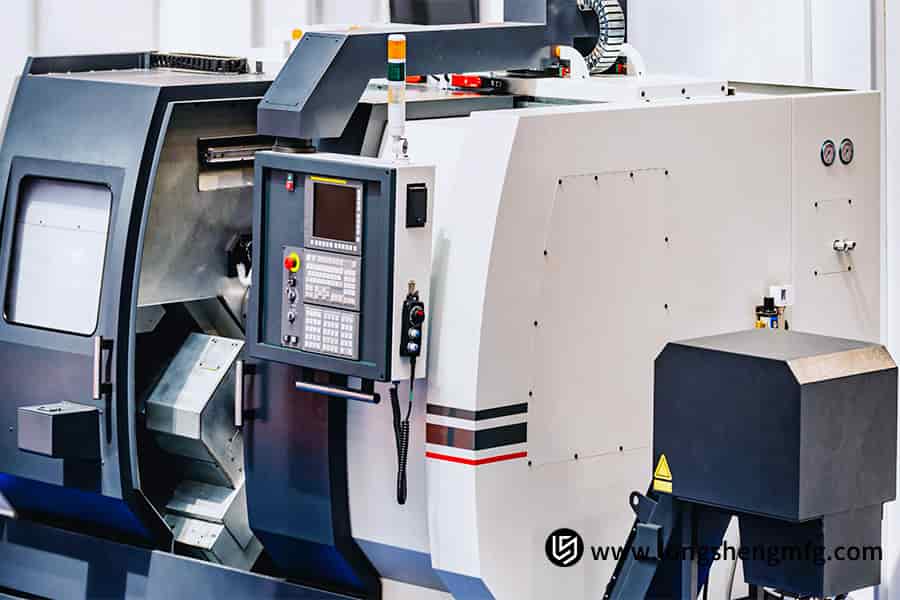
Figure 5: CNC control cabinet as a key component by LS Manufacturing
Conclusion
An understanding of processes, materials, and applications provides the proper background for making the correct decisions in manufacturing. Knowing these elements not only helps you avoid the most frequent pitfalls but also forms the basis for major achievements in product performance and cost optimization.
Once you have the knowledge, now’s the time to find a partner that will help you turn that into value. Contact us and take the first step today by sending your project requirements or drawings to LS Manufacturing and get a free manufacturing feasibility analysis and competitive quote from our team of experts!
The content appearing on this webpage is for informational purposes only. LS Manufacturing makes no representation or warranty of any kind, be it expressed or implied, as to the accuracy, completeness, or validity of the information. Any performance parameters, geometric tolerances, specific design features, quality and types of materials, or processes should not be inferred to represent what will be delivered by third-party suppliers or manufacturers through LS Manufacturing’s network. Buyers seeking quotes for parts are responsible for defining the specific requirements for those parts. Please contact to our for more information.



 Phone:+86 185 6675 9667
 Email:info@longshengmfg.com
 Website:https://www.longshengmfg.com/


