Stainless steel, an indispensable material in modern industry and life, comes in a wide variety of types with varying properties. Among these numerous stainless steel grades, 18/10 stainless steel vs. 304 stainless steel are two common and often confused designations. This article will provide a comprehensive comparative analysis encompassing chemical composition, mechanical properties, corrosion resistance, and application areas to help engineers, purchasers, and consumers make informed material selection decisions. Is 18/10 stainless steel the same as 304 stainless steel? In reality, both 18/10 and 304 stainless steel belong to the austenitic stainless steel family and offer excellent corrosion resistance and formability. However, their specific compositions and properties exhibit subtle but significant differences. Understanding these differences is crucial to ensuring material performance in specific environments, particularly in demanding applications such as food processing, medical devices, chemical equipment, and architectural decoration.
What is 18/10 Stainless Steel?
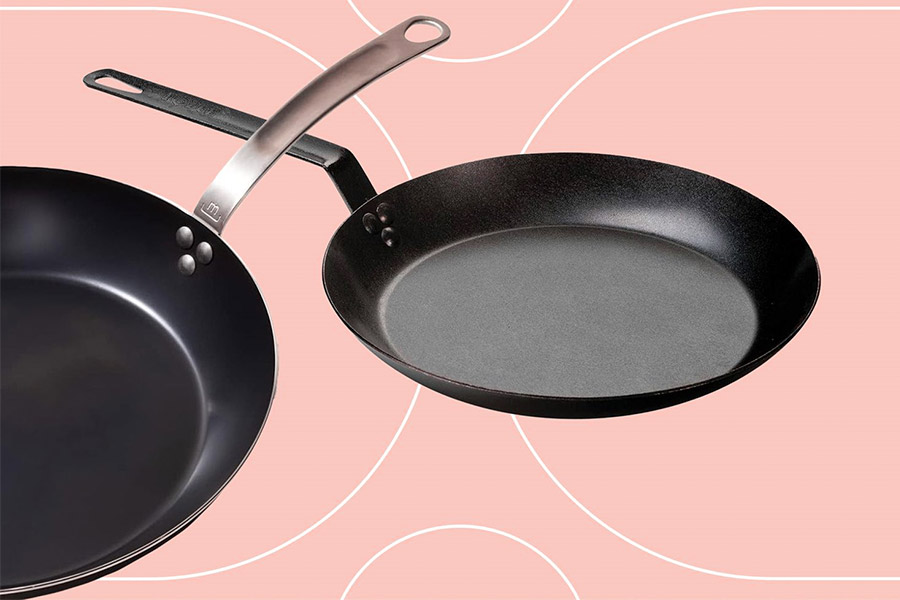
18/10 stainless steel is a high-quality austenitic stainless steel, and the “18/10” in the name indicates that it contains 18% chromium (Cr) and 10% nickel (Ni), which belongs to the high-end variant of 304 stainless steel. It has good corrosion resistance, food-grade safety, excellent mechanical processing performance and beautiful metallic luster, and is often used in high-end tableware, medical equipment, food industry equipment and other fields with high material requirements.
What are the advantages and disadvantages of 18/10 stainless steel?
There are advantages to using 18/10 stainless steel, especially when compared to other types of steel or metal:
Excellent corrosion resistance
High chromium (18%) forms a dense oxide film that resists water, weak acids, alkalis and everyday foods (e.g. salt, vinegar, juice).
It is more rust-resistant than ordinary 304 stainless steel and is suitable for long-term contact with wet or corrosive environments.
Food Grade Safe & Hygienic
FDA (Food and Drug Administration) and EU 10/2011 (EU Standard for Food Contact Materials) approvals for tableware, kitchenware, food processing equipment.
The surface is smooth, not easy to breed bacteria, and easy to clean and disinfect.
Good mechanical properties
It has strong ductility and is suitable for stamping, drawing, welding and other processing processes.
It has high tensile strength (≥515MPa) and better durability than ordinary stainless steel.
High aesthetics
After polishing, it has a mirror-like luster, which is often used in high-end hotel tableware, architectural decoration, etc.
It is not easy to discolor or tarnish after long-term use.
Good high temperature resistance
It can be used stably below 800°C (short-term) and is suitable for kitchen utensils such as pots and pans, oven accessories, etc.
Again, there are a few disadvantages that you need to be aware of if you choose this particular grade of steel:
The cost is higher
Nickel (Ni) is a precious metal, and a 10% nickel content makes 18/10 10%-20% more expensive than 304 stainless steel.
Rust may still occur
Pitting or stress corrosion cracking can still occur in high-salt, high-chlorine environments (e.g., seawater) or with long-term exposure to strong acids (e.g., hydrochloric acid).
If the surface is scratched by a hard object, the passivation film may rust locally after being destroyed.
Not suitable for use in extreme environments
In high temperature and high chlorine (such as swimming pool equipment) or strong acid environment, it is not as corrosion-resistant as 316 stainless steel (containing molybdenum).
May be weakly magnetic after cold working
Theoretically, austenitic stainless steels are not magnetic, but 18/10 may produce slight magnetism after cold working (e.g., stamping, drawing), affecting some precision instrument applications.
What are the chemical compositions of 18/10 stainless steel?
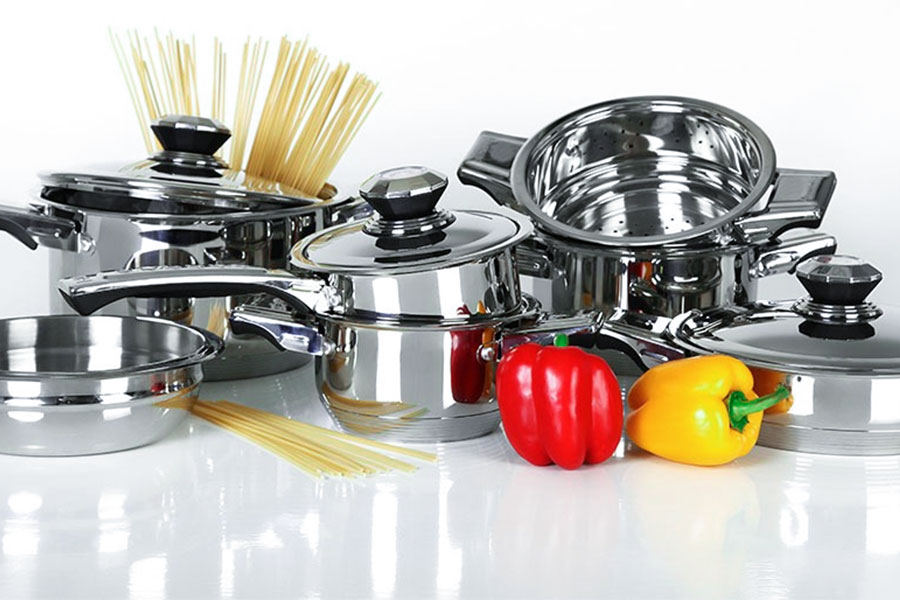
Here is the chemical composition table of 18/10 stainless steel (expressed as a percentage by mass with a margin of Fe):
| Element | Content range (%) | Main function |
|---|---|---|
| Chromium (Cr) | 17.0 – 19.0 | Forms a passive film and provides corrosion resistance |
| Nickel (Ni) | 9.0 – 11.0 | Stabilizes austenite structure, enhances ductility and gloss |
| Carbon (C) | ≤ 0.08 | Low carbon reduces the risk of intergranular corrosion |
| Manganese (Mn) | ≤ 2.0 | Assists austenite formation and improves strength |
| Silicon (Si) | ≤ 1.0 | Deoxidizer, improves casting performance |
| Phosphorus (P) | ≤ 0.045 | Impurity elements (content needs to be controlled) |
| Sulfur (S) | ≤ 0.03 | Improves machinability (excessive amount will reduce corrosion resistance) |
| Nitrogen (N) | ≤ 0.10 | Enhances strength (partially replaces nickel) |
What are the physical properties of 18/10 stainless steel?
The following is a table of physical properties of 18/10 stainless steel:
| Physical properties | Typical values/descriptions | Remarks |
|---|---|---|
| Density | 7.93 g/cm³ | Same as 304 stainless steel |
| Melting point | 1400-1450°C | Common range for austenitic stainless steel |
| Coefficient of thermal expansion | 17.3 μm/m·°C (20-100°C) | Slightly increases with increasing temperature |
| Thermal conductivity | 16.2 W/m·K (100°C) | Lower than carbon steel, attention should be paid to uniformity when heating |
| Specific heat capacity | 500 J/kg·K (20°C) | Same as 304 stainless steel |
| Resistivity | 0.72 μΩ·m (20°C) | Increases with increasing temperature |
| Magnetic permeability | 1.02 (annealed state) | Weak magnetism may be produced after cold working |
| Elastic modulus | 193-200 GPa | GPa About 3/4 of carbon steel |
| Poisson’s ratio | 0.27-0.30 | Similar to most metals |
What are the thermal properties of 18/10 stainless steel?
The following is a table of thermal performance parameters of 18/10 stainless steel:
| Thermal performance parameters | Value/characteristic | Test conditions/description |
|---|---|---|
| Melting point range | 1400-1450°C | Solidus-liquidus temperature |
| Thermal conductivity | 16.2 W/(m·K) | measured at 100°C |
| Specific heat capacity | 500 J/(kg·K) | measured at 20°C |
| Linear expansion coefficient | 17.3 μm/(m·°C) | 20-100°C range |
| 18.4 μm/(m·°C) | 20-300°C range | |
| 19.0 μm/(m·°C) | 20-500°C range | |
| Thermal diffusivity | 4.2 mm²/s | Calculated at 100°C |
| Maximum continuous use temperature | 850°C | Anti-oxidation environment |
| Maximum intermittent use temperature | 925°C | Short-term exposure |
| Oxidation resistance | Excellent (to 870°C) | Forms a stable Cr₂O₃ protective layer |
| Low-temperature toughness | Maintain to -196°C | Liquid nitrogen temperature is still resilient |
What are the best uses for 18/10 stainless steel?
18/10 stainless steel is highly prized for its excellent corrosion resistance and aesthetically pleasing appearance, making it ideal for a variety of high-end uses.
1.Cooking utensils and kitchenware
In the kitchen sector, this material is popular for premium cooking utensils and tableware. Its excellent resistance to tarnishing and staining, combined with the long-lasting luster brought by the high nickel content, makes it an ideal choice for making high-quality pots, pans, cutlery and knives. These products are not only durable, but also maintain their beautiful appearance for a long time.
2.Medical equipment
The medical industry has special demands on 18/10 stainless steel. The material’s excellent durability, hygienic properties, and resistance to repeated sterilization make it the first choice for making all kinds of medical devices. From precision surgical instruments to daily dental tools to regular hospital equipment, it can be seen.
3.Marine environment
In marine applications, 18/10 stainless steel demonstrates strong environmental adaptability. Its excellent resistance to seawater corrosion makes it a reliable material for making marine accessories, anchors and other equipment that need to be exposed to harsh marine environments for a long time.
4.Architectural decoration
18/10 stainless steel is also favored in the field of architectural decoration. This material not only has practical functions, but also has unique aesthetic value. Its bright surface can reflect elegant light and is often used to make high-end railings, architectural hardware and exterior wall decorative panels, adding fashionable and exquisite visual elements to modern buildings.
What is 304 Stainless Steel?
304 stainless steel is one of the most widely used grades of stainless steel, used in a variety of applications, including kitchen appliances, industrial equipment, and building components. It contains approximately 18% chromium and 8% nickel, making it slightly different from 18-10 stainless steel. Is 304 stainless steel the same as 18-10? In fact, 304 typically has a slightly lower nickel content. The addition of manganese further enhances 304 stainless steel’s strength and workability, making it a versatile choice for a variety of manufacturing processes.
What are the advantages and disadvantages of 304 stainless steel?
Below, we list some of the advantages of using 304 stainless steel:
Strong corrosion resistance
Chromium forms a passivation film that resists water, atmosphere, organic acids (e.g. acetic acid in food) and weak alkalis.
Food-grade safe
Compliant with FDA and EU 10/2011 standards, it is widely used in tableware, kitchenware, food processing equipment.
Excellent formability
It is suitable for stamping, welding, deep drawing and other processing processes (elongation ≥40%).
Non-magnetic (annealed)
It is non-magnetic before cold working, and is suitable for sensitive fields such as electronics and medical.
Good value for money
It is 20%-30% lower cost than 316 stainless steel and is suitable for high-volume applications.
There are also some disadvantages to using 304 stainless steel, which we mention below:
Not resistant to chloride corrosion
It is prone to pitting corrosion or stress corrosion cracking in high-chlorine environments such as seawater and pool water (316 stainless steel is required).
High temperature performance is limited
The long-term use temperature ≤ 870°C, above which oxidation or embrittlement may occur.
Less hard
Brinell hardness ≤ 201, and the wear resistance is not as good as martensitic stainless steel (such as 440C).
May be weakly magnetic after cold working
Slight magnetism may occur after stamping, drawing, etc.
What are the chemical components that make up 304 stainless steel?
304 stainless steel chemical composition table (%):
| Element | Standard range (AISI 304) | Main function |
|---|---|---|
| Chromium (Cr) | 17.5 – 19.5 | Form a passive film to provide corrosion resistance |
| Nickel (Ni) | 8.0 – 10.5 | Stabilize austenite structure and enhance ductility |
| Carbon (C) | ≤ 0.08 | Low carbon reduces the risk of intergranular corrosion |
| Manganese (Mn) | ≤ 2.0 | Assist austenite formation and improve strength |
| Silicon (Si) | ≤ 1.0 | Deoxidizer, improve casting performance |
| Phosphorus (P) | ≤ 0.045 | Impurity control (excessive reduction of corrosion resistance) |
| Sulfur (S) | ≤ 0.03 | Improve machinability (excessive rust) |
| Nitrogen (N) | ≤ 0.10 | Enhance strength (partial replacement of nickel) |
| Iron (Fe) | Remainder | Base metal |
What are the physical properties of 304 stainless steel?
Table of physical properties of 304 stainless steel:
| Physical properties | Typical values | Description |
|---|---|---|
| Density | 7.93 g/cm³ | Same as 18/10 stainless steel |
| Melting point | 1400-1450°C | Common range of austenitic stainless steel |
| Resistivity | 0.72 μΩ·m (20°C) | Lower conductivity than carbon steel |
| Magnetic permeability | 1.02(annealed state) | May be weakly magnetic after cold working |
| Elastic modulus | 193-200 GPa | About 3/4 of carbon steel |
| Poisson’s ratio | 0.27-0.30 | Similar to most metals |
| Thermal conductivity | 16.2 W/(m·K) (100°C) | Poor thermal conductivity, uniform heating required |
| Specific heat capacity | 500 J/(kg·K) (20°C) | Consistent with 18/10 stainless steel |
What are the thermal properties of 304 stainless steel?
304 stainless steel thermal performance table:
| Thermal performance parameters | Value | Conditions/Description |
|---|---|---|
| Linear expansion coefficient | 17.3 μm/(m·°C) | 20-100°C range |
| 18.4 μm/(m·°C) | 20-300°C range | |
| 19.0 μm/(m·°C) | 20-500°C range | |
| Thermal conductivity | 16.2 W/(m·K) | Measured at 100°C |
| Specific heat capacity | 500 J/(kg·K) | Measured at 20°C |
| Maximum continuous use temperature | 870°C | Anti-oxidation environment |
| Maximum intermittent use temperature | 925°C | Short-term exposure |
| Thermal diffusivity | 4.2 mm²/s | 100°C calculated value |
| Low-temperature toughness | Maintained to -196°C | Liquid nitrogen temperature is still usable |
What are the best applications for 304 stainless steel?
Known for its versatility and cost-effectiveness, 304 stainless steel is suitable for a wide range of applications.
1.Industrial equipment
The strength and weldability of 304 stainless steel make it the first choice for industrial machinery and equipment. It is commonly used in manufacturing processes, including chemical vessels, piping systems, and heat exchangers.
2.Food processing
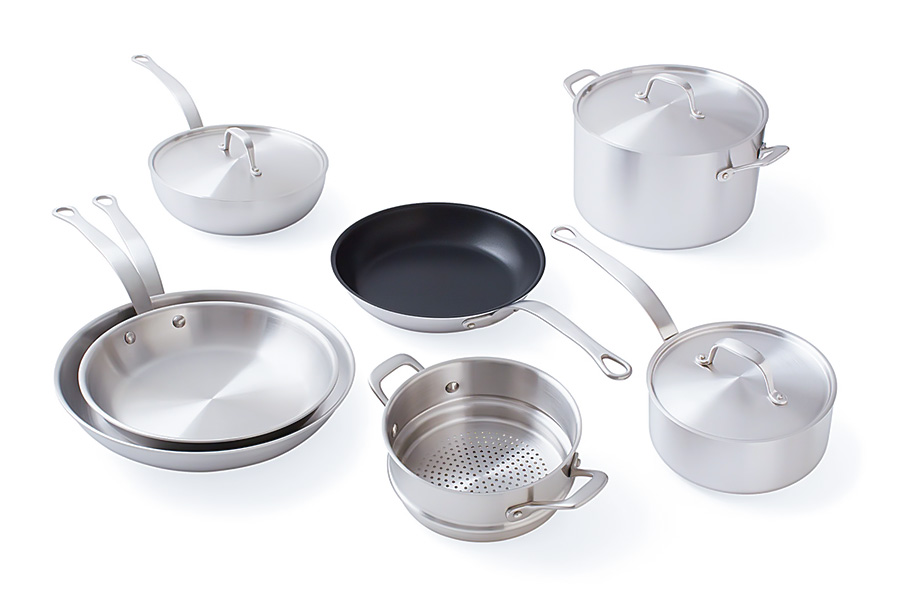
304 stainless steel is widely used in food processing equipment due to its corrosion resistance and ease of cleaning. It can be used in commercial kitchen utensils, storage tanks, and conveyor belts to ensure hygienic handling of food.
3.Architectural features
In construction, 304 stainless steel is used for both exterior and interior elements of the building. Its durability and aesthetics make it suitable for use in structural components, cladding, and decorative features, providing a balance between performance and cost.
4.Automotive and marine hardware
While 304 stainless steel is not as resistant to salt water as 18/10 stainless steel, 304 stainless steel is still used in some marine applications where cost is a concern. 304 stainless steel is also common in automotive parts, providing good corrosion resistance and strength to components such as exhaust systems and interiors.
18/10 stainless steel vs 304
The following is a comprehensive comparative analysis of stainless 18 10 vs 304, analyzing the differences between the two from seven key dimensions:
1. Ingredient differences (core differences)
18/10 stainless steel has a similar base component framework to 304 stainless steel, both containing approximately 18% chromium (Cr) and less than 0.08% carbon (C). The core difference is in the nickel (Ni) content:
- 18/10 stainless steel: The nickel content is strictly controlled at 9-11% to ensure that it is not less than 10%, so Europe directly named “18/10” to highlight its high nickel characteristics.
- 304 stainless steel: The nickel content is 8-10.5%, the actual product is usually 8-9%, and the lower limit of nickel content is lower.
Impact: Higher nickel content gives 18/10 a slight edge over long-term corrosion resistance, ductility and gloss retention.
2. Physical properties
The underlying physical properties of both are almost identical:
- Density: 7.93 g/cm³, no difference in weight.
- Magnetism: It is not magnetic in the annealed state, but it may produce weak magnetism after cold working (such as stamping, cutting).
- Thermal conductivity: The thermal conductivity is 16.2 W/(m·K), which is a metal with poor thermal conductivity (about 1/3 of carbon steel), so stainless steel pots and pans often use composite bottoms (such as aluminum layers) to improve heating uniformity.
3. Comparison of corrosion resistance
- Everyday environment (water, atmosphere, weak acid): Both are similar in performance and can resist common corrosion.
- Acidic environments (e.g. vinegar, lemon juice): 18/10 is suitable for high-end cutlery due to higher nickel content and lower corrosion rate on long-term exposure.
- High-chlorine environments (e.g., seawater, swimming pools): neither is recommended, pitting or stress corrosion cracking may occur, molybdenum-containing 316 stainless steel is required.
- High temperature oxidation: can be used below 870 °C for a long time, more than this temperature needs to choose 310S and other heat-resistant stainless steel.
4. Mechanical and processing performance
- Deep drawing molding: 18/10 has high nickel content and slightly better ductility, which is suitable for making high-end tableware with complex shapes (such as wine glass holders).
- Welding performance: 304 stainless steel (especially 304L ultra-low carbon version) welding heat affected zone is more stable and more suitable for welding large structural parts.
- Machining: 304 can improve machinability by adjusting the sulfur (S) content (≤0.03%), while 18/10 is usually more tightly controlled and slightly more difficult to cut.
5. Typical application scenarios
18/10 Stainless Steel Preferred Areas:
- High-end tableware: such as German Zwilling knives and WMF pots, due to the need for long-term contact with acidic food and the pursuit of beauty.
- Medical devices: surgical forceps, dental instruments, due to high nickel content, more in line with biocompatibility requirements.
- Luxury: watch cases, decorative parts, because of the luster durability is better.
304 Stainless Steel Preferred Areas:
- Architectural decoration: curtain walls, railings, due to low cost and outdoor weather resistance.
- Household appliances: washing machine inner tube, refrigerator shelf, because of the high cost performance.
- Food industry equipment: storage tanks, conveying pipelines, because they meet hygiene standards and have low bulk procurement costs.
6. Cost and market positioning
- Raw material cost: 18/10 Due to the high nickel content, the price is 5-15% more expensive than 304, and the price spread may widen when nickel prices fluctuate.
- Product premium: End products labeled “18/10” (e.g., kitchenware) are typically 20-30% more expensive than their 304 counterparts, partly due to brand premiums.
- Market share: 304 accounts for more than 60% of industrial stainless steel, which is the absolute mainstream; 18/10 accounts for only about 15%, and it is concentrated in the high-end segment.
7. Purchase suggestions
In the case of 18/10:
- Extreme corrosion resistance is required (e.g. long-term storage of acidic foods).
- Pursue a sense of high-end products (such as gift tableware, displays).
- Budget and focus on long-term experience.
In the case of choosing 304:
- Regular household use (e.g. sink, inexpensive kitchenware).
- Products that are used for a short period of time or are replaced frequently.
- Cost-sensitive, large-scale projects (e.g. architectural fittings).
When neither:
- Seawater environment→ 316 stainless steel (containing 2-3% molybdenum).
- Extreme high temperatures→ 310S stainless steel (heat resistant to 1100°C) is selected.
Conclusion
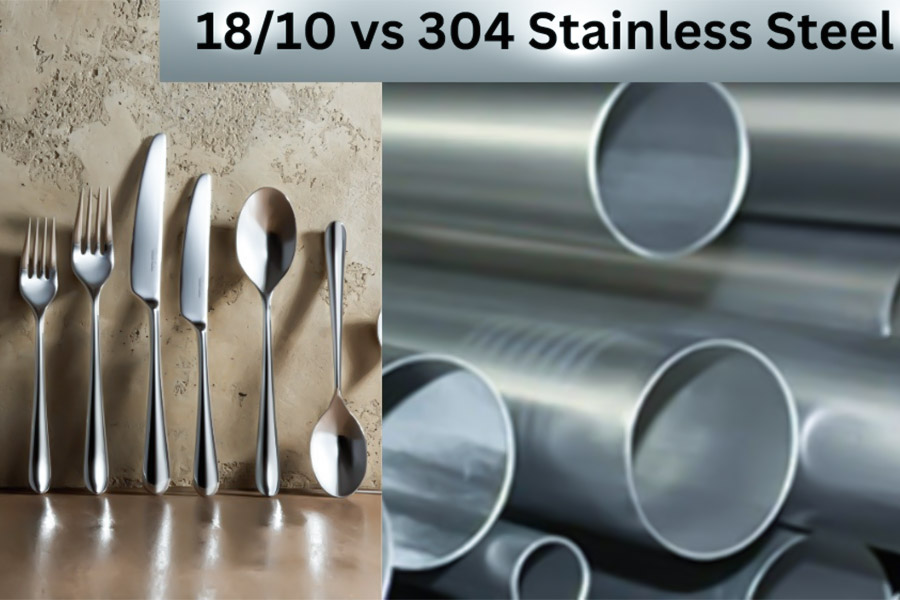
The core difference between 18/10 stainless steel and 304 stainless steel lies in its nickel content (10% vs. 8-9%). This gives 18/10 a slight advantage in long-term corrosion resistance, deep draw formability, and surface gloss retention, making it particularly suitable for applications requiring stringent material properties, such as high-end tableware and medical devices. However, this comes at a 5-15% additional cost. 304 stainless steel, with its excellent cost-effectiveness and versatility, remains the preferred choice for general applications such as construction and home appliances. The actual size selection depends on the specific application conditions: 18/10 can be used for acidic environments or when product longevity is a priority; 304 can be used for cost-sensitive or neutral environments; and 316 stainless steel is recommended for extremely corrosive environments. Are 18/10 stainless steel and 304 stainless steel the same? There’s no absolute superiority or inferiority between the two materials; only a precise match. Unsure which material is best for your project? Contact the professional team at LS Technologies for a personalized consultation and quote!

📞 Phone: +86 185 6675 9667
📧 Email: info@longshengmfg.com
🌐 Website: https://www.longshengmfg.com/
Disclaimer
The content appearing on this webpage is for informational purposes only. LS makes no representation or warranty of any kind, be it expressed or implied, as to the accuracy, completeness, or validity of the information. Any performance parameters, geometric tolerances, specific design features, quality and types of materials, or processes should not be inferred to represent what will be delivered by third-party suppliers or manufacturers through LS’s network. Buyers seeking quotes for parts are responsible for defining the specific requirements for those parts. Please contact to our for more information.
Team LS
This article was written by various LS contributors. LS is a leading resource on manufacturing with CNC machining, sheet metal fabrication, 3D printing, injection molding,metal stamping and more.
FAQs
1. Is 304 stainless steel better than 18-10?
Is 304 stainless steel the same as 18/10 stainless steel? 304 stainless steel and 18-10 stainless steel (often referring to variations or similar compositions of 304) are similar in corrosion resistance, strength, and food safety. 18-10 indicates an 18% chromium content and a 10% nickel content, while 304 typically contains 18% chromium and 8%-10% nickel. If the nickel content is similar (for example, 304 has a higher nickel content), the performance difference is minimal. If 304 has a lower nickel content, 18-10 may offer slightly better corrosion resistance and toughness. Overall, both are high-quality stainless steels, and the choice depends on the application and cost.
2. Are 18-10 and 316 the same?
18-10 stainless steel and 316 stainless steel have similar compositions but there are differences. 18-10 contains 18% chromium and 10% nickel, while 316 adds 2%-3% molybdenum to this, which significantly improves the ability to resist chloride corrosion (such as seawater environment). Therefore, 316 is more suitable for highly corrosive scenes, while 18-10 (if equivalent to 304) is suitable for general environments. The two cannot be simply equated.
3. Which is stronger, 18/8 stainless steel or 304 stainless steel?
18/8 stainless steel (containing 18% chromium and 8% nickel) has a high degree of overlap with 304 stainless steel, and its mechanical properties are basically the same. The tensile strength, yield strength and hardness of the two are similar, and there is no significant difference in strength. If the nickel content of 18/8 is slightly lower, it may affect toughness, but the difference is usually negligible. In practical applications, the strength of the two can be considered equivalent.
4. Is 18-10 the best stainless steel cookware?
18-10 stainless steel (such as the high-nickel variant of 304) is a high-quality cookware material due to its corrosion resistance, easy cleaning and food safety. But “best” depends on the needs: 316 contains molybdenum and is more corrosion-resistant; 430 is cheaper but rusts easily; copper and aluminum have better thermal conductivity. If you are looking for a balance between performance and cost, 18-10 is the ideal choice; if you need extreme corrosion resistance or special functions, other materials may be better.


Very interesting information!Perfect just what I was searching for!
Thank you for your attention, please subscribe to us and share valuable information with your friends in need, have any needs, please send us an inquiry.
Hello my friend! I wish to say that this article is awesome, nice written and include almost all important infos. I would like to see more posts like this .
Thank you for your attention, please subscribe to us and share valuable information with your friends in need, have any needs, please send us an inquiry.
I’d should verify with you here. Which is not one thing I normally do! I take pleasure in studying a post that can make individuals think. Additionally, thanks for allowing me to comment!
Someone necessarily assist to make critically posts I would state. This is the very first time I frequented your website page and up to now? I surprised with the analysis you made to create this actual submit amazing. Fantastic process!
You’re flattering! Thank you so much for your affirmation of my analytical skills. I’m glad the article resonated with you, and I welcome your critical discussions at any time; the collision of ideas is the most productive.
Thank you for sharing superb informations. Your website is very cool. I’m impressed by the details that you have on this site. It reveals how nicely you perceive this subject. Bookmarked this web page, will come back for more articles. You, my pal, ROCK! I found simply the information I already searched all over the place and simply could not come across. What an ideal web-site.
There are certainly numerous details like that to take into consideration. That may be a nice level to bring up. I offer the thoughts above as common inspiration however clearly there are questions just like the one you convey up the place the most important thing shall be working in trustworthy good faith. I don?t know if greatest practices have emerged around things like that, however I am certain that your job is clearly identified as a good game. Both girls and boys really feel the impact of just a second’s pleasure, for the rest of their lives.
After study a few of the blog posts on your website now, and I truly like your way of blogging. I bookmarked it to my bookmark website list and will be checking back soon. Pls check out my web site as well and let me know what you think.